To cut energy waste in a budget kitchen, start with a clear baseline: track daily use for lights, fridge, and cooking for a week, then compare to regional norms. Prioritize quick wins like sealing gaps, adding insulation, and swapping to LEDs. Use a programmable thermostat and run full loads to cut peak demand. Choose budget, ENERGY STAR–rated appliances and batch tasks to reduce standby power. If you keep exploring, you’ll uncover practical steps and measurable gains.
Key Takeaways
- Start with a baseline energy audit: track daily usage of lighting, refrigeration, and cooking to identify quick wins and high-impact targets.
- Install LED lighting, seal gaps around doors/windows, and add insulation to reduce heating and cooling loads on a budget.
- Use a programmable thermostat and batch appliance use to minimize peak demand and standby energy consumption.
- Prioritize ENERGY STAR appliances and compare real-world performance to manufacturer estimates before upgrading.
- Organize the pantry and kitchen workflow to reduce wasted energy and time, reinforcing data-driven maintenance and monitoring.
What Being Energy-Smart in a Budget Kitchen Really Means
Being energy-smart in a budget kitchen means making efficient choices that save money without sacrificing convenience or performance. You’re balancing cost, reliability, and comfort, so you’ll favor appliances and habits supported by data. Energy budgeting isn’t about austerity; it’s about smarter usage, predictable bills, and longer-lasting gear. Start with practical targets: identify peak-use times, optimize loads, and minimize standby power. In practice, compare efficiency ratings, annual operating costs, and real-life performance. Build a routine that fits your household pace, invites collaboration, and reinforces a sense of belonging—knowing you’re choosing sustainable, affordable options together. ETL-certified safety
How to Measure Your Kitchen’s Current Efficiency
To start measuring your kitchen’s current efficiency, begin with Baseline Energy Metrics like monthly usage and utility bill history to set your starting point. Then run an Appliance Efficiency Scan to identify the biggest energy draws, noting each device’s label, age, and rated efficiency. Use these data points to prioritize improvements with clear, data-driven targets. Additionally, consider evaluating the reliability and durability of your equipment using a framework focused on long-term performance and lift-cycle endurance to inform your upgrade decisions long-term durability.
Baseline Energy Metrics
Baseline energy metrics tell you where you stand before you start upgrades, and they’re easiest to track with a few practical steps. You’ll establish baseline metrics by measuring typical daily usage for lighting, refrigeration, and cooking loads, then record energy scores from your utility bill or a simple plug-in meter. Use a consistent period—like seven consecutive days—to reduce variability. Create a simple table: device category, average daily kWh, and seasonal notes. Energy benchmarking comes into play as you compare your results to regional averages or similar households, highlighting where to focus. Document peak usage times, then identify predictable patterns you can change. With clear numbers, you’ll see progress faster and feel more connected to the upgrade journey. Load Capacity considerations can help frame which appliances to target first when you’re prioritizing upgrades.
Appliance Efficiency Scan
Have you ever wondered where your kitchen wastes the most energy? An Appliance Efficiency Scan is your first, practical step. Begin with a baseline: list each major appliance, its model, age, and rated efficiency. Track actual use over a week—note cycle lengths, standby power, and door-open durations. Use a simple energy auditing approach: calculate kWh per day for refrigerators, dishwashers, ovens, and small appliances, then compare to manufacturer estimates. Identify high-consumption outliers and verify seals, coils, and filters are clean. Measure real-time energy with a smart meter or wearables impact in mind—pocket-friendly devices can illuminate spikes without data overload. A key outcome is to compare your measurements against the energy ratings to ensure you’re interpreting the data correctly. Conclude with targeted tweaks: adjust temps, run full loads, and stagger usage. Document changes, then reassess to confirm gains and share results with your household.
Quick Wins: Low-Cost Upgrades That Save the Most Energy
Want to cut energy use fast without breaking the bank? You can start with low-cost tweaks that reliably boost energy savings. Track your baseline usage, then target the biggest culprits first: heat, cooling, and standby power. Practical choices offer quick wins that build confidence and a sense of belonging within the home team.
- Seal gaps around doors and windows to curb drafts and reduce heating load
- Use a programmable thermostat to avoid overheating or overcooling
- Add insulation where heat leaks occur, prioritizing attic and pipes
- Replace inefficient lighting with LEDs and leverage natural daylight when possible
These steps deliver measurable energy savings, are easy to implement, and foster a shared commitment to smarter habits. Quick wins compound over time, reinforcing a culture of efficiency.
Budget Appliances That Deliver Big Savings
Are there affordable appliances that punch above their weight when it comes to energy savings? You’ll find models that mix solid energy science with sensible price tags, delivering measurable results without complicating your routine. Look for upfront efficiency ratings, real-world performance claims, and consistently lower annual electricity use compared with older counterparts. In practice, budget friendly choices that meet ENERGY STAR criteria often outperform cheaper, non-rated options over time, thanks to better compressors, insulated cabinets, and smarter controls. Be wary of appliance myths—initial cost doesn’t always predict long-term expense. Track consumption, compare kWh per year, and choose devices with durable components and service support. This is about smart investing, not shortcuts, and it reinforces belonging to a community that values data, transparency, and practical progress, including energy efficiency measurements.
Smart Power Habits for Everyday Kitchen Use
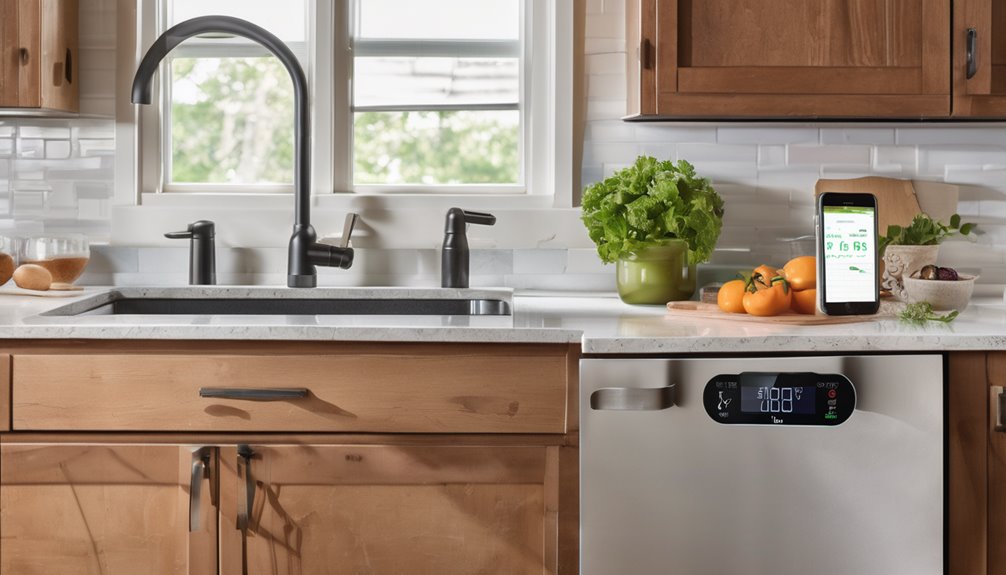
Smart energy habits in the kitchen are about small, repeatable actions that cut energy use without changing your routine. By tracking energy budgeting, you notice where a little effort yields big saves, without sacrificing convenience. Use smart timers to automate heating, cooling, and appliances so you only run them when needed. Pair this with batch tasks to reduce peak demand and standby energy. Energy budgeting can help you quantify savings across tasks and guide smarter choices.
Lighting and Ventilation That Cut Waste
Lighting and ventilation aren’t just about comfort—they’re a clear, data-backed path to cutting energy waste in the kitchen. You’ll cut glare, drafts, and heat loss by choosing efficient lighting and tight ventilation. For even better results, consider pairing with a noise-quiet blender setup that maintains performance while reducing energy spikes, as high-efficiency appliances often go hand-in-hand with calmer, well-sealed workspaces. energy dashboards
Frugal Tools That Reduce Waste and Save Money
Small investments pay off fast: frugal tools that curb waste and trim costs can start with simple, data-backed choices you implement today. You’ll notice measurable gains when you pick reliable, low-cost devices designed for durable use and clear return on investment. Focus on efficiency, not excess, by aligning tools with proven waste-reduction strategies and trackable results.
- frugal gadgets that optimize appliance cycles and meal prep
- reusable, durable materials that replace disposables
- smart timers and sensors to prevent over-cooking and spoilage
- simple maintenance kits that extend equipment life and efficiency
These choices foster a sense of belonging by sharing practical, budget-smart habits. Data guides every decision, so you stay confident and connected to your kitchen’s energy and waste goals.
Simple Pantry Makeovers for Efficiency and Freshness
A pantry refresh on a budget starts with quick wins that improve freshness and reduce waste, like rotating stock and labeling bins so you use what you have. Organized, transparent storage—clear containers, airtight seals, and a logical layout—helps you track ingredients and minimize spoilage, backed by data on shelf life and usage. We’ll explore practical storage techniques that balance cost and efficiency while keeping staples easily accessible for everyday cooking. Vacu Vin and other vacuum stopper systems offer reusable options to extend the freshness of opened bottles and reduce waste, making them part of a cost-conscious freshness strategy.
Pantry Refresh on Budget
Want to stretch your budget whereas boosting kitchen efficiency? A pantry refresh can trim waste and save time without breaking the bank. You’ll start with a simple inventory, removing expired items and noting staple gaps. Use budget shelving organized by category to maximize visibility and airflow, which cuts mis-picks and spoilage. Implement clear, labeled containers for bulk goods to prevent over-purchasing and streamline restocks. Regular maintenance routines—weekly quick checks and monthly rotations—keep freshness steady and avoid clutter. Adapting layout to your workflow reduces door-open time and energy spent locating items. Track metrics like spoilage rate and time saved to verify gains. Apply these evidence-based steps to create a functional, belonging-focused pantry that supports busy days. pantry maintenance
Freshness Through Organization
Freshness hinges on how you organize. A simple pantry makeover boosts efficiency and preserves produce, grains, and snacks. Track expiration dates, rotate stock, and group by use: breakfast, cooking staples, and emergency foods. Evidence shows clear labeling reduces waste and saves time, especially when you’re juggling bills and meals. For storage optimization, place frequently used items at eye level, bulk items on higher shelves, and lightweight cans at the front. Keep a dedicated area for reusable containers and a small trash bin nearby to cut clutter. Use the table below to visualize an organized layout that supports freshness and belonging. Independent temperature control helps you optimize different dish needs without cross-flavor effects, which you can align with your dual-basket setup.
| Zone | Items | Notes |
|---|---|---|
| Front | Snacks, breakfast boxes | Easy access, quick checks |
| Middle | Cans, jars | Best-before dates visible |
| Back | Staples, bulk | Rotation needed |
| Door | Smalls, spices | Compact, labeled |
Efficient Storage Techniques
Efficient storage starts with a simple, data-driven approach to layout and labeling. You’ll streamline your pantry by grouping items by use, shelf life, and size, then track what you actually reach for most. Label bins and shelves clearly, and keep a running inventory so you see gaps before they matter. For space optimization, rotate stock using the first-in, first-out rule and store stairs on the lower shelves to reduce clutter. Establish consistent container sizes to minimize wasted space and simplify stacking.
- Group by frequency and perishability
- Use uniform containers with clear labels
- Rotate stock weekly to curb waste
- Reserve door shelves for lightweight, frequently used items
DIY Maintenance Tips to Keep Appliances Efficient
Regular maintenance saves energy and extends appliance life, so a quick, routine checklist can keep your kitchen running efficiently. You’ll start with filters: replace or rinse range hood and freezer/AC filters every 1–3 months, depending on use. Clean coils every six months to boost heat exchange, avoiding needless energy spikes. Check seals on refrigerators and ovens; a tight seam saves coolants and watts. Run full loads, but not oversized, to minimize cycling and wasted energy. Monitor appliance doors for physics-friendly gaps, and calibrate thermostats when readings drift. Schedule seasonal checks for water heaters and dishwashers, keeping efficiency data in a simple log. A small, consistent routine builds confidence, belonging, and measurable savings without big upfront costs. emoji only, color coded.
30-Day Action Plan: Upgrade Smart, Save More
Want to start saving today? You can turn a simple plan into real energy gains with a focused Day Action Plan. Track your baseline usage, then set achievable targets for a budget kitchen. Each step is practical, data-driven, and designed to foster belonging as you join others upgrading together.
Start today: chart baseline use, set practical targets, and upgrade together with simple, data-driven steps.
- Prioritize two word discussion ideas: identify quick wins like unplug standby devices and optimize fridge temperature.
- Schedule a 15-minute daily audit to catch waste, record results, and adjust habits.
- Replace one inefficient task with a smarter alternative, e.g., batch cooking and energy-minded timing.
- Invest in a single, low-cost efficiency upgrade each week and monitor impact.
Frequently Asked Questions
How Can I Compare Appliance Efficiency Before Buying?
You should compare appliance efficiency by checking ENERGY STAR ratings, annual energy usage, and cost-to-use estimates. Look up appliance efficiency via labeled energy guides, and run a simple energy comparison: estimate annual operating costs for models you consider, then weigh upfront price against long-term savings. Read product specs for annual kWh, and compare similar sizes. Use a consistent basis, like “cost per year,” to decide, and share findings with your household for buy-in and belonging.
Do Energy-Saving Methods Affect Cooking Results?
Yes—energy-saving methods can affect cooking results, but you can manage it. You’ll notice changes in heat precision and timings, which influence taste implications if you skip preheating or use tight lids. Energy impact varies by method and appliance, but you’ll often save without sacrificing flavor by adjusting temps and cookware. Rely on data, monitor temps, and batch cook when possible; you’ll still belong to a kitchen that values efficiency, consistency, and better meals.
What Is the Return on Investment for Smart Plugs?
You’ll typically see a positive ROI from smart plugs, especially if you target devices with standby draws. Your price efficiency improves as you curb idle energy use, leading to noticeable monthly savings. Over 1–3 years, you may recoup costs. Expect steadier savings when you automate schedules and timers. Embrace the data: track real standby savings, compare upfront costs, and feel you belong by optimizing together with others pursuing smarter energy.
Can I Retrofit Existing Cabinets for Better Airflow?
Did you know 40% of kitchen heat loss comes from poorly ventilated cabinets? You can retrofit cabinets for better airflow by adding vertical airflow pathways, vented shelves, and slim, back-panel gaps. This airflow optimization helps reduce heat and moisture buildup. You’ll feel more confident DIYing, knowing the setup fits your space and budget. Start with measuring gaps, then install discreet vents and adjustable shelves to maximize circulation and maintain cohesive, welcoming tones.
Which Metrics Matter Most for Kitchen Energy Use?
You’ll want to track energy intensity and appliance sequencing as your top metrics for kitchen energy use. Focus on how much energy each device consumes per task and how you schedule high-draw appliances. You’ll optimize by running the dishwasher and oven separately, timing cold-start fridge loads, and using LED lighting. This data-driven approach helps you feel a sense of belonging in a mindful, efficient kitchen, where practical choices align with everyday routines and community values.