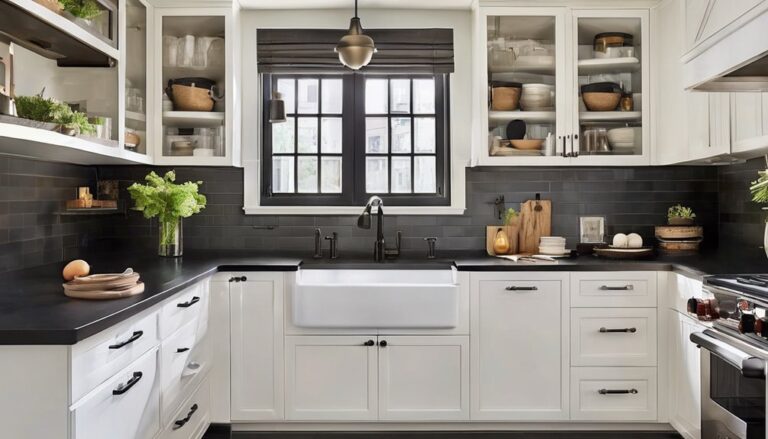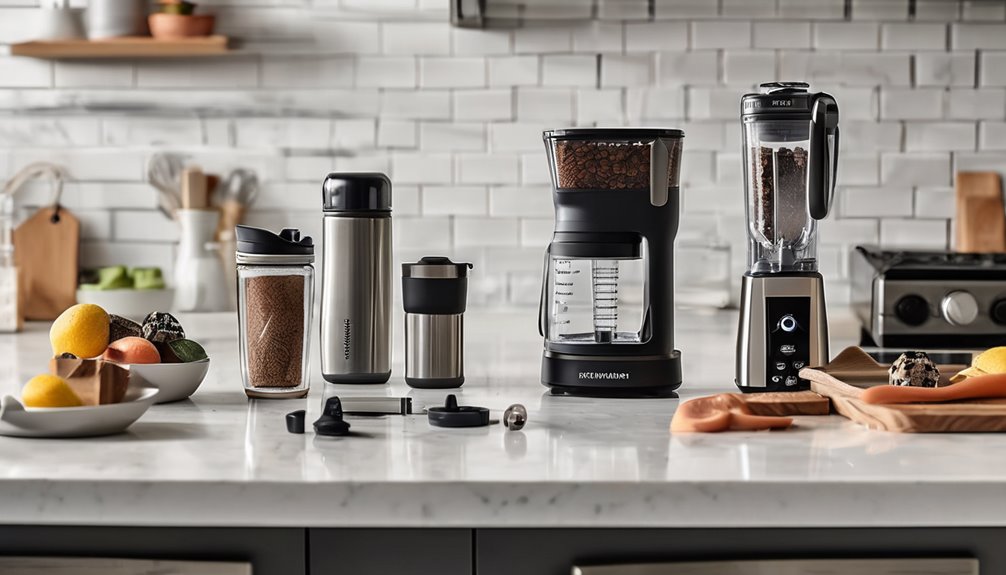
You can save money from day one with budget kitchen gadgets that cut prep time, reduce waste, and lower energy use. Look for a versatile peeler, measuring cups, and a compact blender, plus a microwave-safe steam basket to speed cooking. Reusable silicone lids cut foil costs, and airtight containers reduce spoilage. Choose energy-efficient tools with low standby draw and durable parts. Track staples and swap store-brand options to trim groceries, while multi-use gear maximizes value—keep reading to learn more.
Key Takeaways
- Choose energy-efficient, durable tools with low standby draw and easy replacement parts to minimize long-term costs.
- Use multi-use gadgets that replace several functions, reducing purchase and storage needs.
- Opt for budget-friendly basics (peeler, measuring cups, compact blender) and reusable silicone lids to cut recurring expenses.
- Prioritize stores brands and staples substitutions to lower grocery bills without sacrificing quality.
- Batch prep, efficient cleanup, and ergonomic designs save time, lowering active cooking costs and fatigue.
Start Here: Budget-Friendly Kitchen Gadgets That Save Now
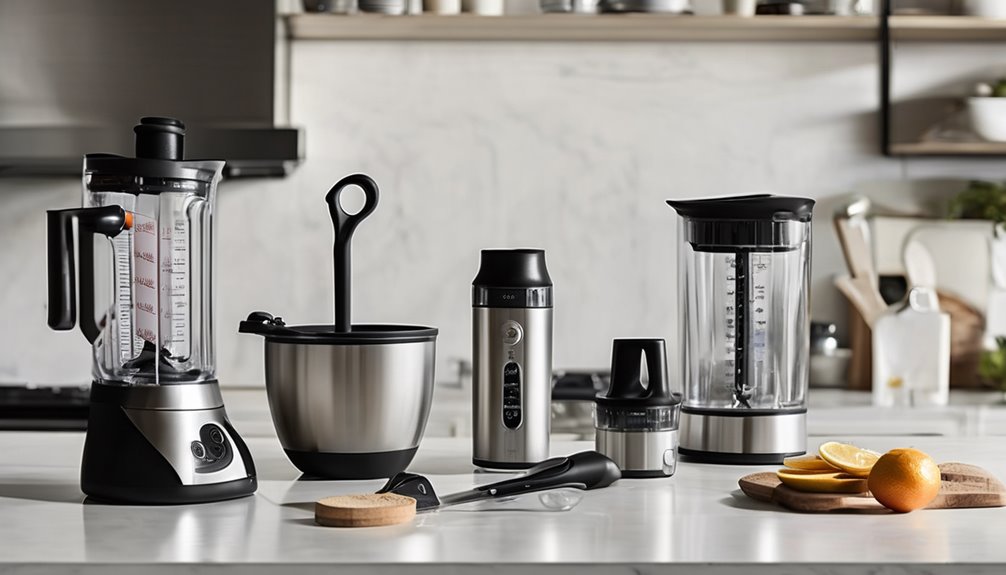
Consider this: can small, budget-friendly kitchen gadgets add up to big savings over a month? Yes. You’ll notice lower waste, faster prep, and predictable costs with basic tools. Start with a versatile peeler, measuring cups, and a compact blender; they’re budget friendly and durable for daily tasks. A microwave-safe steam basket reduces cooking times and energy use, while reusable silicone lids cut foil and wrap expenses. Track results: time saved, portions controlled, and fewer disposable items. With smart buying, you reduce impulse purchases and build consistency in meals, which lowers takeout days. Pair gadgets with simple routines—batch chop, portion, and store. The payoff isn’t flashy, but it’s steady: measurable savings, less clutter, and a kitchen you feel you belong in. Investing in a reusable silicone lids and a compact blender can further extend these savings by reducing single-use items and supporting quick, portion-controlled meals.
How to Choose Energy-Efficient Tools for Real Savings
To keep the budget gains from small gadgets, focus on energy efficiency when selecting tools. You’ll save on both upfront cost and ongoing energy use, strengthening long term budgeting, not just today’s bill. Look for labeled efficiency, durable components, and low standby draw. Compare wattage, life span, and replacement parts to avoid waste. Prioritize tools that deliver consistent performance without spikes in energy use, so your home stays efficient even during heavy cooking bursts. Energy efficiency also benefits long-term appliance reliability and reduces maintenance costs, which supports budget-conscious planning over time.
Staples That Cut Daily Costs and Why They Matter
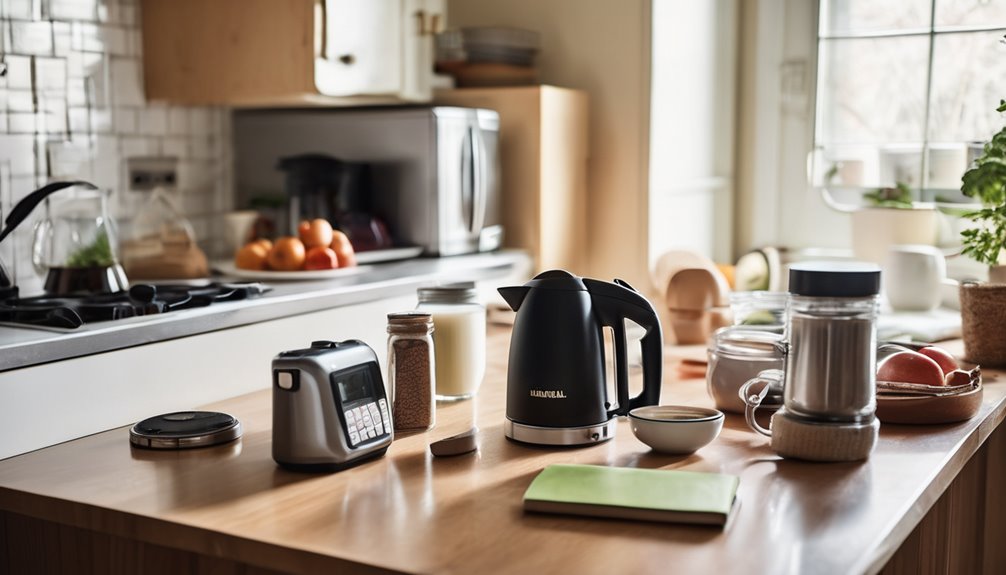
What daily staples actually trim your spending, and why do they matter? You’ll see how small choices compound, shaping your daily cost impact. Start with staple substitution: swapping pricey brands for store-brand equivalents can cut grocery bills without sacrificing quality. Track staples you use weekly and identify cheaper, comparable options, then test them for taste and satisfaction. Prioritize perishables wisely—buy what you’ll actually use to avoid waste, and rotate stock to prevent spoilage. Bundle purchases when possible—bulk quantities beat single-item prices for non-perishables, if you can store them. Invest in durable tools that reduce waste and extend shelf life, like airtight containers and proper storage. This approach creates belonging through smarter routines, data-backed decisions, and consistent, affordable meals.
Time-Saving Gadgets to Reduce Labor in the Kitchen
Ever wonder how much time you can save with the right kitchen gadgets? You’ll see real impact when you pair affordable tools with smart routines. Time saving gadgets reduce kitchen labor by speeding prep, cleanup, and organization, letting you reclaim evenings and weekends. Data shows consistent use of a few core devices cuts active cooking time by measurable margins, especially with batch prep and efficient cleanup. Adding ergonomic, durable options with long lifespans can also reduce fatigue during repetitive tasks, supporting steadier workflow long-lasting design.
Maximize Value With Multi-Use Kitchen Gear
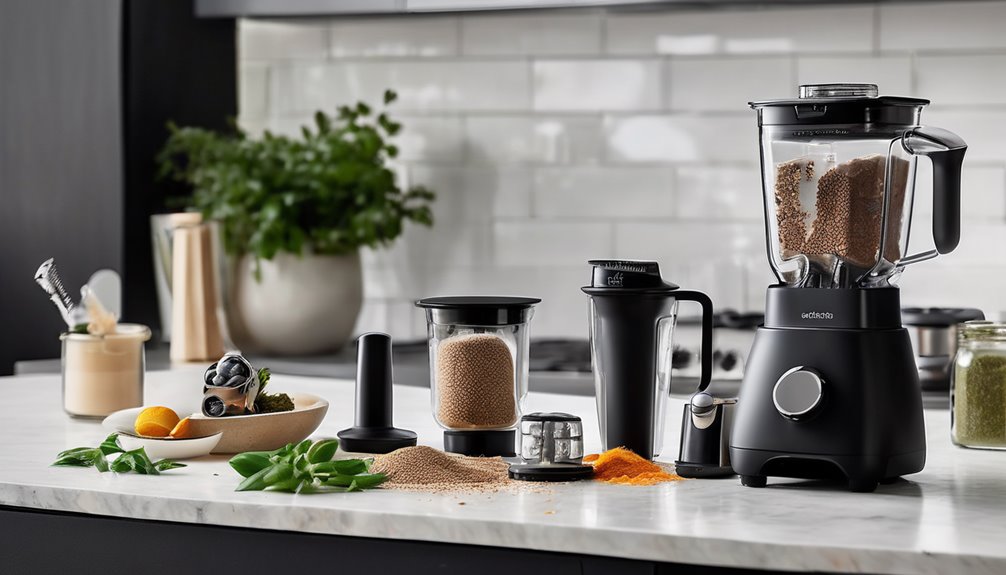
Multi-use gear can stretch every dollar by doing more with fewer tools. When you choose budget conscious, multi use gadgets, you simplify buying decisions and reduce clutter, which lowers impulse purchases. Prioritize items that replace two or more functions, like a blender that also purees and chops, or a pot that doubles as a steamer insert. Look for modular designs and parts you already own to maximize utility without extra cost. Track actual use over a month to confirm value: if you reach for it weekly, it earns its keep. Seek durable, easy-to-clean materials to minimize maintenance. Favor widely supported accessories and brands with solid warranties. By focusing on practical versatility, you create a kitchen that saves money and feels welcoming to everyone at the table.
Frequently Asked Questions
Do Cheaper Gadgets Ever Pay off in the Long Run?
Yes, cheaper gadgets can pay off, but not every time. You’ll often see cheap efficiency when you pick no-frills, well-rated essentials and use them consistently. In the long term payoffs come from durability, replaceability, and energy savings, not just initial cost. Track usage, compare energy or water impact, and choose items with solid warranties. You’ll feel you belong in a frugal club that values data, practicality, and steady, predictable savings.
Which Budget Tools Actually Improve Resale Value?
Yes, budget tools that actually improve resale value are well-made, versatile, and stay relevant. You’ll want budget gadgets with durable builds, universal appeal, and clear warranties. Focus on items that were standard upgrades in recent homes—like compact air fryers, programmable kettles, or energy-efficient radios—brands with strong support. Document maintenance and receipts, keep original packaging, and show low wear. When you present them, you’ll boost resale value and feel like you belong with smart, practical buyers.
How Do You Compare Upfront Cost vs. Long-Term Savings?
You weigh upfront cost against long term savings by comparing purchase price, energy use, and durability. If a gadget saves energy or boosts efficiency, its long term savings often offset the upfront cost. Track monthly bills and maintenance, then estimate payback period. Consider value resale: sturdier, well-reviewed items retain more value. In sum, choose devices with lower total cost of ownership, clear durability, and indicators of ongoing usefulness to maximize value resale. You belong in practical, data-driven decisions.
Are Energy Claims on Budget Gadgets Reliable?
Energy claims on budget gadgets aren’t always reliable, and you shouldn’t take them at face value. Look for third-party testing, real-world energy use data, and clear labels. Track gadget efficiency with independent benchmarks, and compare watts per hour to similar models. Budget claims can be optimistic, so verify before buying. You’ll save more by choosing proven, efficient options and using them wisely. Stay curious, informed, and part of a practical, budget-conscious community.
What Maintenance Habits Maximize Gadget Longevity Savings?
You notice a timer ding as you reach for your coffee—coincidence, or proof that steady care matters. Maintenance habits boost longevity and savings, especially with budget gadgets. Clean filters, descaled kettles, and proper storage reduce energy use and failure risk. Follow longevity tips like gentle use and prompt repairs, not just replacement. You’ll feel you belong in a smart, practical circle, where data backs decisions, and maintenance habits keep costs down while you cook confidently.