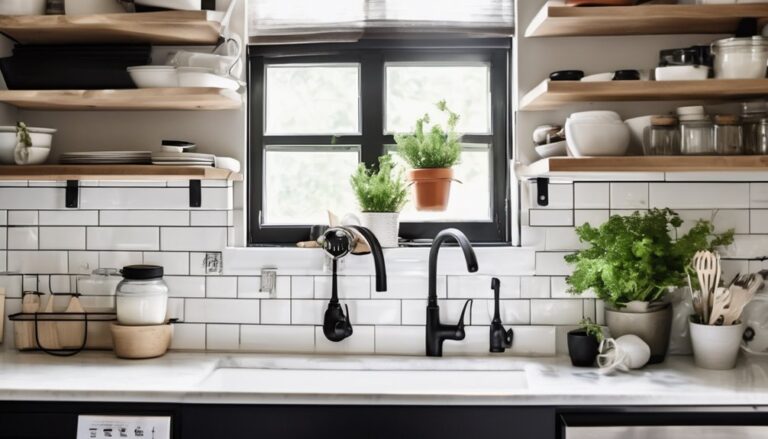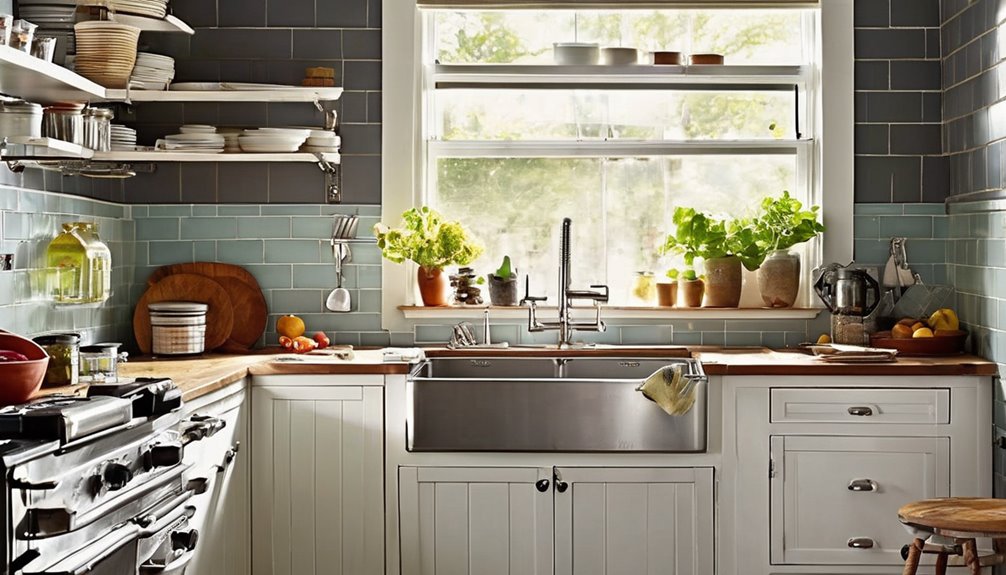
Start with the big power drains in your kitchen. Target the fridge, stove, and dishwasher first, then trim standby loads with smart strips. Swap in budget-friendly, energy-efficient staples—LED lighting, compact, efficient small appliances, and well-insulated containers—avoiding single-use buys. Upgrade gradually: ENERGY STAR models and tighter seals pay off over time. Use smart temp management, load dishes efficiently, and seal gaps around cabinets. A simple 30-day plan keeps costs down while you cut wasted energy and see steady savings, step by step.
Key Takeaways
- Prioritize big energy drains: target fridge, stove, dishwasher, and standby devices for upgrades or usage adjustments.
- Choose durable, multi-use staples and energy-efficient small appliances to replace single-use tools.
- Start with ENERGY STAR appliances (fridge, dishwasher, range) and optimize temperature and seals for max savings.
- Cut phantom loads with smart strips, LED lighting, and dimmers; seal gaps around doors and cabinets to reduce cooling/heating needs.
- Plan a 30-day optimization: map quick wins, centralize cooking tasks, and track progress with a shared checklist.
Identify Your Kitchen Energy Priorities: What to Cut First
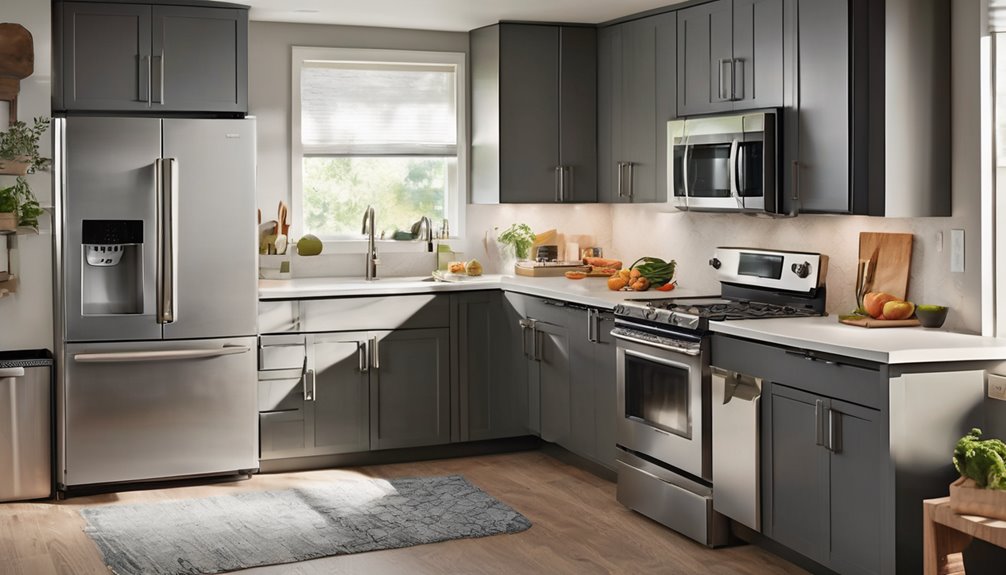
When you’re prioritizing energy savings in the kitchen, start by identifying where you spend the most power and how you use appliances day to day. That’s the core of an effective energy audit: you map a realistic flow, spot the big drains, and rank priorities. Begin with appliance sorting—separate everyday workhorse items from occasional uses, then quantify each’s impact on monthly bills. Focus first on the high-usage culprits: fridge, stove, dishwasher, and small appliances left on standby. Consider upgrading, deferring, or adjusting usage patterns rather than replacing everything. Set clear targets, like reducing standby energy or consolidating cooking tasks. You’ll feel part of a practical group, sharing tips and progress as you cut waste and reclaim budget for more important needs. high-usage culprits
Choose Budget-Friendly, Energy-Efficient Staples for the Kitchen
Budget-friendly, energy-efficient staples in the kitchen start with smart selection and practical use. You’ll prioritize durable, multi-purpose items that replace single-use tools, reducing waste and cost. Start with core appliances and pantry basics that deliver steady performance without draining power. Look for energy efficient staples like LED lighting, efficient small appliances, and well-insulated containers that keep temperature stable with less effort. Opt for versus spur-of-the-moment buys; compare labels for standby power and efficiency ratings. Buy versatile staples in bulk, then portion and store properly to minimize spoilage. Create a simple system: categorize by use, monitor energy impact, and rotate items to avoid waste. These budget friendly upgrades support a cohesive, mindful kitchen you can feel proud to share. Energy efficiency guides help you choose appliances with low standby power and high performance over time.
Smart Upgrades That Save the Most Kitchen Power
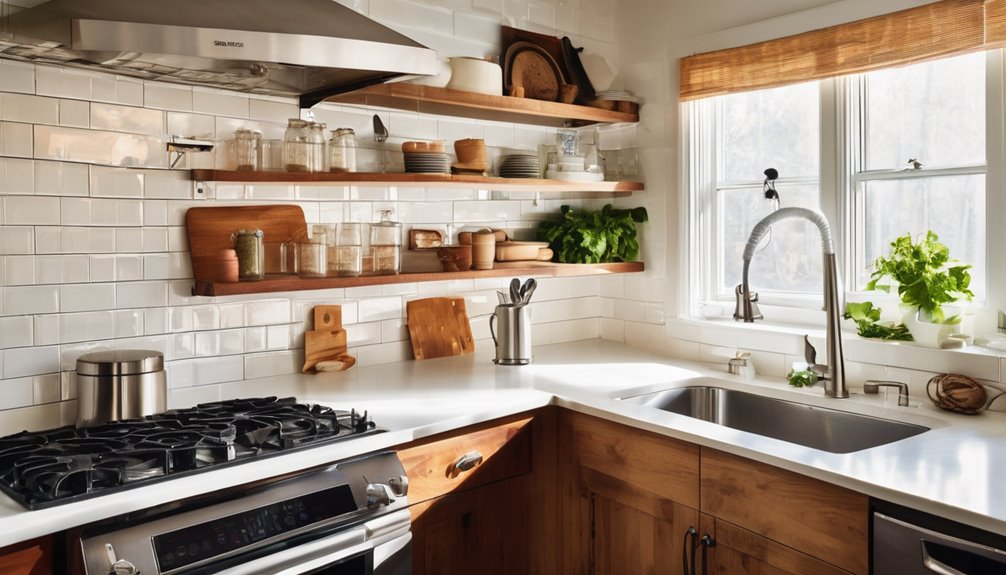
As you transition from selecting budget-friendly staples to reducing the energy draw in your kitchen, focus on practical upgrades that deliver big savings with minimal hassle. You’ll start with an appliance triage—walk through the big hitters first, then fill gaps later. Replace older, high-usage devices with ENERGY STAR models, prioritizing refrigerators, dishwashers, and ranges that consistently average lower kilowatt use. Improve efficiency with smart temperature management, tighter seals, and proper loading habits that boost performance without extra cost. When budgeting, map your energy budget to expected gains, so you see payback at a glance. Add LED lighting, timers, and smart outlets to curb phantom loads. These small but intentional shifts reinforce belonging—your kitchen becomes a lean, clever hub rather than a power sink. Energy Star guidance helps pinpoint the appliances that historically drive the biggest savings.
DIY Tips to Cut Energy Use Without Spending Much
Ever wonder how to trim energy use in the kitchen without breaking the bank? You can start with practical, small wins that add up. Switch to efficient lighting in work areas, using LEDs and dimmers where possible, so you’re not wasting juice when you’re just chit-chatting or chopping. Replace a few high-usage bulbs first, then spread the savings room to room. Use power strips for all standby-belts: TVs, coffee makers, and chargers, so you can fully cut power when they’re not in use. Keep your fridge organized to minimize door openings and maintain a steady temperature. Seal gaps around cabinets and appliances to reduce cooling load. Track your bills, celebrate tiny wins, and keep momentum with a budget-friendly mindset. Belonging grows through shared energy-conscious habits. 4D armrests
30-Day Plan to Make Your Kitchen More Energy-Efficient
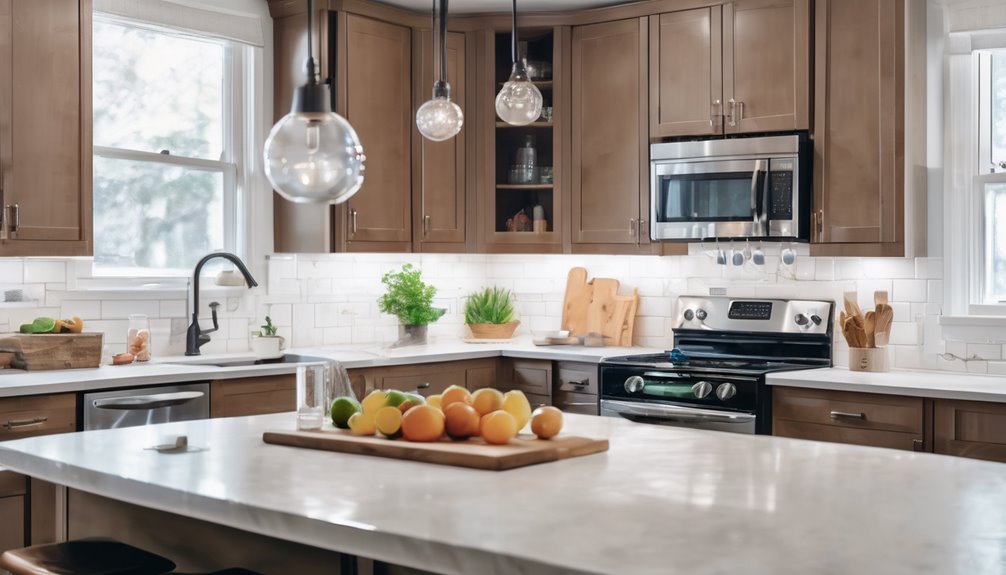
What small steps can you take today to make your kitchen more energy-efficient? Start with a simple plan: map a one-day, two-hour window to swap or adjust quick wins. Turn off phantom loads by unplugging unused appliances and using smart power strips. Cook smart by fitting lids on pots, using residual heat, and aligning oven use with meals you’re already making. Replace old bulbs with LED equivalents and set lighted zones to match activity—bathroom-level efficiency isn’t needed in every corner. Sealing leaks around doors and drafty windows reduces temperature drift, saving energy on heating and cooling. Track progress in a shared family checklist; celebrate small wins as a team with a two word idea, two word idea. These quick, budget-conscious moves foster belonging and lasting changes.
Frequently Asked Questions
How Can I Track My Kitchen Energy Usage Accurately?
To track your kitchen energy usage accurately, start by calibrating smart meters and isolating phantom loads. You’ll notice the scale of every appliance, like a dimly lit map guiding your budget. Use a plug-in energy meter on key devices, note daily kWh, and compare week to week. Keep a log, adjust habits, and re-check meters monthly. This practical routine helps you belong to a mindful, efficient household while saving money.
Which Small Appliance Settings Save the Most Energy?
You can save energy the most by using compact, efficient settings on your small appliances: set fridges to the recommended 35–38°F and freezers to 0°F, use microwaves and toaster ovens on power-saving modes, and run dishwashers with eco cycles. Choose energy-efficient modes, avoid preheating when possible, and batch cook. Two word ideas1, two word ideas2, and you’ll feel connected to a smarter budget community while keeping saves real and steady.
Do LEDS vs. CFLS Matter for Kitchen Lighting?
LEDs vs. CFLs do matter for kitchen lighting, especially on color temperature and efficiency. You’ll notice brighter, more consistent light from LEDs, with cooler temps great for task zones and warmer temps for cozy dinners. CFLs save upfront, but LEDs last longer and use less energy. Choose lighting color temperature around 2700–3000K for warmth or 4000K for clear prep. In practice, mix temps, prioritize LEDs, and bundle dimmable options for budget flexibility.
Are Energy Monitors Worth the Upfront Cost?
Yes, energy monitors are worth the upfront costs if you want real savings. Picture your kitchen as a glowing map: you’ll spot phantom wastes, peak spikes, and habits you can tweak. With energy monitors, you’ll track where every watt goes, making smarter, budget-friendly choices. The upfront costs pay back as you reduce bills and gain control, plus you’ll feel part of a community aiming for efficiency. It’s practical, achievable, and worth it.
What’s the Best Time to Run the Dishwasher?
You should run the dishwasher during off-peak hours for best dishwasher efficiency, typically late at night or early morning. To save, look for the “optimal batching” approach: wait until full loads, avoid pre-rinsing, and use eco cycles when possible. By aligning timing with utility rates and loading fully, you feel savvy and connected to your budget, while neighbors notice your practical, belonging-friendly routines that keep costs—and the home—comfortable.