To upgrade your kitchen on a real budget, start with a practical plan: define a hard cap per category (stove, fridge, sink, storage, tools), add contingencies for delays, and translate priorities into measurable costs like price ranges, delivery, and warranties. Rank upgrades by upfront cost versus efficiency gain, focusing on durable, repairable gear and energy-star options. Build a phased timeline linked to sales and milestones, then track spend and outcomes—you’ll spot fast payoffs and smarter choices as you go. More tips await.
Key Takeaways
- Start with a Real Kitchen Upgrade Budget: set hard caps per category, include contingencies, and translate priorities into trackable numbers (price ranges, warranties, lifespans).
- Map cost and efficiency: compare upfront price, running costs, payback time, and measurable efficiency gains like faster prep and easier cleanup.
- Prioritize durability and value: focus on warranty, repairability, energy labels, price-per-use, and easy replacement parts.
- Use a phased upgrade plan: allocate costs over quarters, target high-impact, energy-saving staples, and time purchases around sales cycles.
- Track milestones and adapt: set budgeting milestones, monitor progress monthly, and employ price trackers to optimize timing and avoid overspending.
Define Your Real Kitchen Upgrade Budget
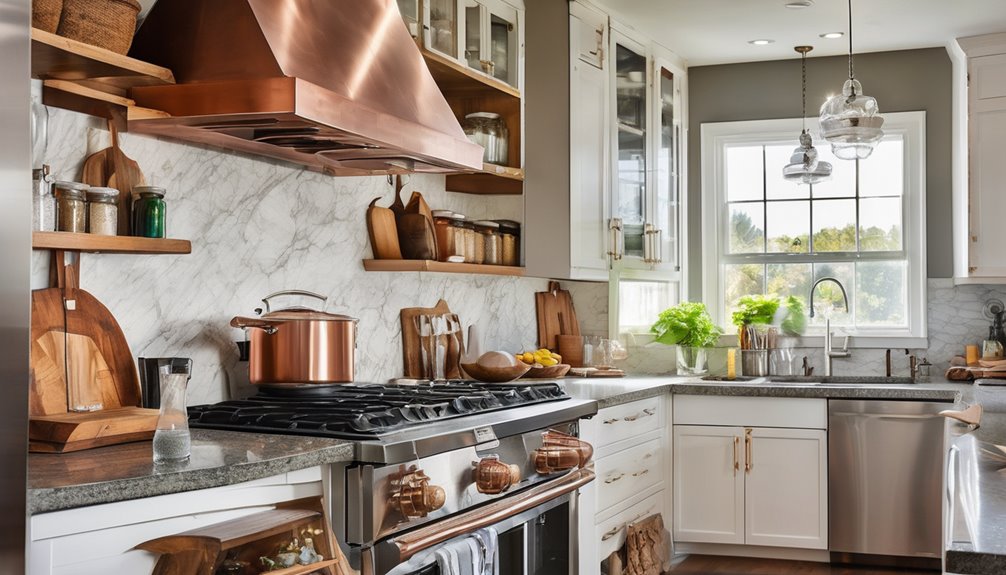
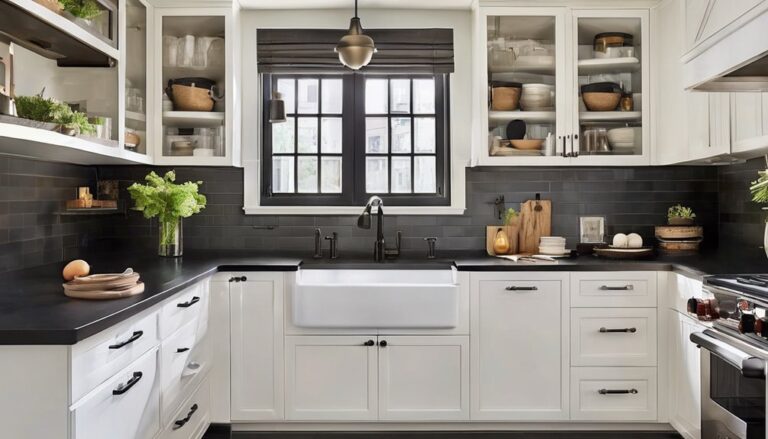
Before you spend a dime, define your real kitchen upgrade budget. You’ll benefit from a clear target, not guesswork. Start by listing must-haves: stove, fridge, sink, storage, and essential tools. Then set a hard cap for each category based on how you cook now and how often you upgrade appliances. This isn’t about deprivation; it’s about visibility. Translate your priorities into numbers, using data you can track—price ranges, delivery fees, warranties, and expected lifespan. Include contingencies for unexpected repairs or delivery delays. Define your real, kitchen budget by aligning your goals with reality: what you can afford, what adds meaningful value, and what can be postponed. When you know the budget, you’ll shop with confidence and belong in the decision process. Budgeting framework
Rank Upgrades by Impact on Cost and Efficiency
To rank upgrades by impact on cost and efficiency, start by mapping each item’s upfront price, running costs, and expected payoff in time and usability. You’ll compare budget impact across options, noting which upgrades pay back fastest and which quietly reduce waste. Track measurable efficiency gains, like faster prep, fewer errors, and simpler cleanup, then translate those wins into time saved per week. Normalize data so you compare like-for-like: energy use, maintenance, and replacement cadence matter as much as sticker price. Visualization helps you see trade-offs at a glance, letting you prioritize items that deliver strong returns without overspending. With this method, you’ll feel confident joining the kitchen upgrade club, focused on value, reliability, and belonging, upfront cost efficiency guiding your choices.
Smart Shopping: Quality Finds on a Budget
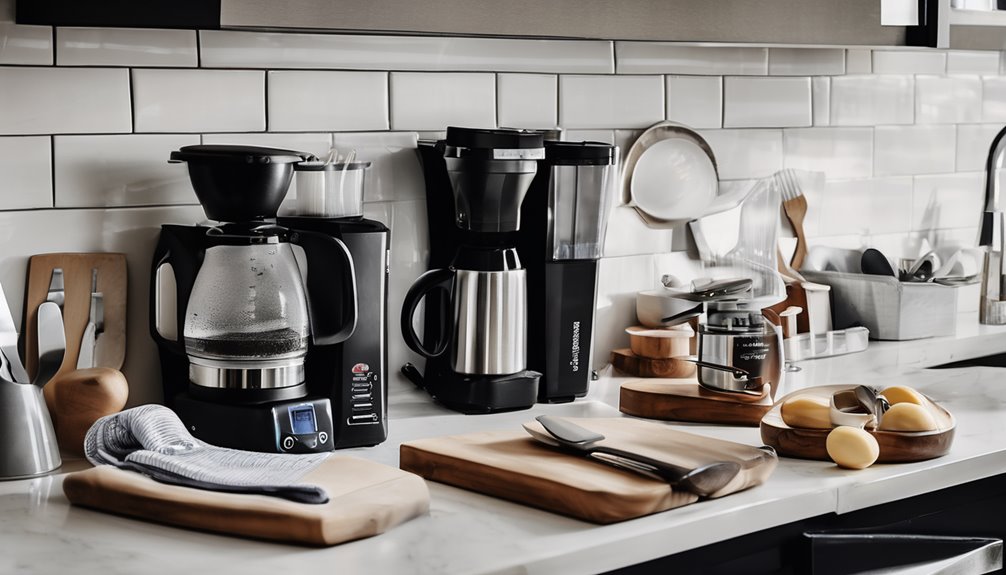
Smart shopping means prioritizing quality that lasts without overspending. You’ll get more value by targeting durability, warranty, and repairability, then comparing price-per-use across brands. Focus on essential specs and energy labels to drive decisions that pay off over time. Track a simple rubric: build quality, performance tests, customer reviews, and true cost of ownership. Favor budget friendly options with proven reliability and easy replacement parts. Look for high efficiency in appliances and tools—units that use less energy while delivering the same results reduce ongoing costs. Don’t chase the lowest sticker price if you’ll pay later in repairs or replacements. Build a shopping list, set a max price per item, and buy during sales or near peak demand to maximize belonging and smart spending. true cost of ownership
Small Kitchen Upgrades That Pay Off Fast
Maximize every inch with smart space-saving tweaks that free up counter and cabinet real estate without breaking the bank. Quick durable upgrades, like shelves, hooks, or magnetic strips, keep essential within reach and cut clutter, so you spend less time searching and more time cooking. These small changes pay off fast by improving workflow and durability, helping you save money over time. Stability-focused design principles emphasize keeping things steady at higher elevations or extended layouts, which translates here to choosing sturdy wall-mounted shelves and reliable hooks that hold heavy kitchen gear without wobble industrial-grade steel frames.
Smart Space Saving
Sticking to a few smart moves can dramatically free up counter and cabinet space without a full remodel. You optimize what you already have by prioritizing items you actually use, then organizing around function rather than aesthetics. Begin with budget optimization: invest in modular organizers, adjustable shelves, and stackable containers that maximize vertical and depth efficiency. Implement space planning by mapping zones for prep, cooking, and cleanup, placing appliances where they’re most used and farthest from traffic. Use uniform, stackable cookware and clear labeling to reduce rummaging time. Hang rarely used tools on a wall rack, freeing drawer space for daily essentials. Maintain a minimalist stance—rotate in-season tools, retire duplicates, and review quarterly. Small, deliberate changes compound into noticeably tidier, faster workflows. When choosing new appliances, consider models with high wattage and temperature ceilings that support multiple functions, so you get more versatility from a single unit. high wattage
Quick Durable Upgrades
If you want fast, lasting gains after optimizing space, focus on a few durable upgrades that pay off with everyday use. Quick wins come from sturdy, high-clarity tools you reach daily, not flashier novelties. Invest in a reliable chef’s knife, a durable cutting board, and a dependable set of cookware with even heat distribution. These choices reduce waste, speed prep, and improve consistency, offering measurable savings over time. Pair them with a simple budget plan built on a budgeting mindset and a clear prioritization strategy so you don’t chase every trend. Track usage and wear, rotate tools to extend life, and reallocate savings toward performance upgrades later. The result is a kitchen that feels intentional, connected, and genuinely yours. Weight capacity up to 275 pounds
Energy-Smart Staples You Can’t Skip
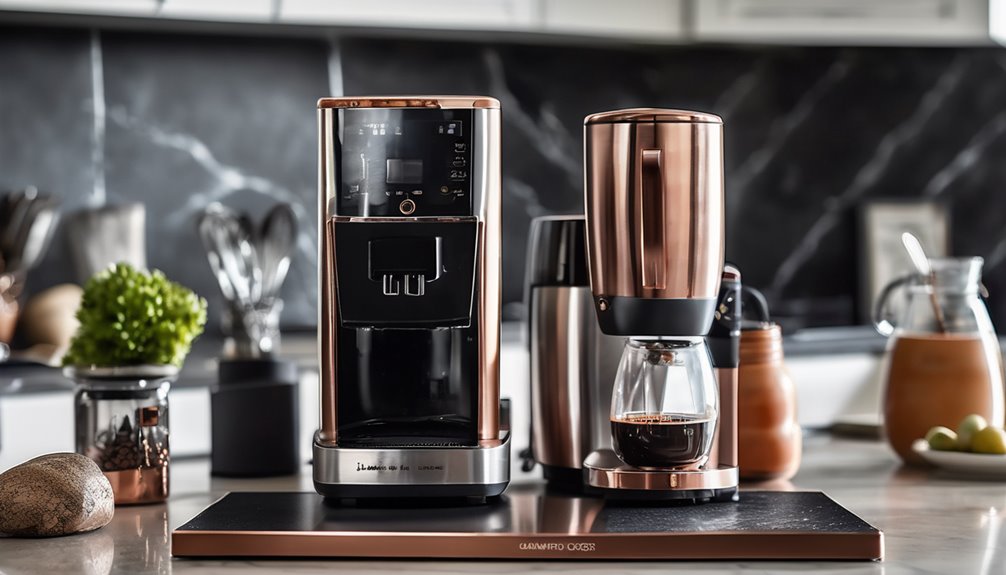
Why are energy-smart choices nonnegotiable in today’s kitchen? Because small habits add up: energy-saving appliances lower utility bills and cut emissions, while durable materials reduce replacement cycles and waste. You’ll notice efficiency in both daily use and long-term value. Prioritize models with good energy ratings, heat pumps, and LED lighting to minimize idle costs. When selecting cookware, choose high-heat retention options that cook faster, reducing energy draw. Refrigeration should balance reliability with low quiescent draw; look for well-insulated doors and precise thermostats. In tools, choose multipurpose, compact items that eliminate clutter and spare outlets. By opting for energy-saving, durable materials, you create a kitchen that feels reliable, inclusive, and future-focused, where every purchase reinforces belonging, stewardship, and sensible budgeting. Energy Efficiency continues to drive smarter choices across appliances, emphasizing long-term savings and reduced environmental impact.
Plan a Flexible, Frugal Upgrade Timeline
A flexible budget lets you adjust priorities as prices shift, so you can upgrade essential without overspending. Track spending milestones to see when you’ve saved enough for next gear, and keep momentum without overcommitting. Use a delayed gratification strategy to time purchases, spreading costs over weeks or months for steady progress. Consider prioritizing compact, single-basket models first to suit one-person kitchens and then expand with dual-zone or larger-capacity options as needed capacity planning.
Flexible Budget Allocation
Flexible budget allocation lets you pace upgrades without overspending. You’ll map a realistic path, balancing needs, timing, and value. Begin with a baseline: identify essential upgrades vs. nice-to-haves, and assign costs over quarters to reduce sticker shock. Use data to prioritize: compare price-per-use, durability, and energy savings, then convert that into a monthly or quarterly contribution to a dedicated fund. Embrace flexible timing by spacing purchases around sales cycles, holidays, and when warranties lapse. Track anticipated versus actual spend, adjusting priorities as family needs shift. Communicate decisions openly with household members to reinforce belonging and shared goals. This approach reinforces budget allocation discipline while keeping upgrade timing aligned with practical constraints and long‑term kitchen simplicity. 50,000 lift-cycle
Track Spending Milestones
Track spending milestones helps you keep the plan on track without derailing your budget. You set budgeting milestones and use spending benchmarks to guide your upgrades, staying practical while aiming higher. Track progress monthly, adjust goals, and celebrate small wins that keep you motivated without overspending. This method helps you see where savings go and when to upgrade gear without sacrificing essential. 300 lb capacity is a common consideration when selecting chairs for long shifts, ensuring durability and support across varied body types. Below is a simple framework to visualize your pace and priorities.
Delayed Gratification Strategy
Delayed gratification isn’t about delaying joy; it’s about planning a flexible, frugal upgrade path that adapts to real savings. You map a budget pacing plan that aligns purchases with actual price dips, not impulses. Start with a baseline you won’t exceed, and set milestone checks every few weeks. Use price trackers, seasonal sales, and member discounts to time grabs on essentials. Prioritize core upgrades first, postponing nonessential gadgets until costs drop or coupons appear. Build a small buffer for unexpected deals, then reinvest savings into higher-quality items later. This approach reduces regret, increases confidence, and nurtures a community mindset—shared tips, reasons for delays, and collective wins. With disciplined pacing, your kitchen evolves deliberately, not impulsively, strengthening belonging through prudent, transparent choices.
Frequently Asked Questions
How to Compare Warranty Benefits Across Budget Kitchen Choices?
Short coincidence hits you: you’ll want to compare warranty benefits across budget kitchen choices to feel confident. Start with coverage length, what’s included, and transferability. Look for energy savings and refurbished reliability disclosures, then weigh resale value if you upgrade later. Track service networks and claim processes. The data shows longer, thorough warranties often boost resale value and reliability perception, even on cheaper models. You belong here when you assess true total cost, not just sticker price.
What Hidden Costs Appear After Initial Purchase?
Hidden costs after your initial purchase include post purchase fees, extended warranties you may not need, and recurring maintenance costs. You’ll want to factor delivery, installation, and potential consumables into your budget. Compare energy use, missing parts, and reliability data to avoid surprise charges. By tracking these costs, you belong to a smarter buyer group that plans ahead, negotiates better terms, and keeps your kitchen gear affordable over time.
Which Brands Offer the Best Resale Value for Upgrades?
Brands resale value varies, but you’ll see the strongest long-term returns with brands known for durability and service. You should prioritize brands resale that maintain performance after upgrades and offer widely available parts. In practice, choose reputable names with solid loaners or trade-in programs. Upgrades value compounds when parts are compatible across models. Overall, expect higher resale when you document maintenance, keep original boxes, and buy widely supported gear that buyers recognize.
How Can You Measure Real Energy Savings Before Buying?
You can measure real energy savings by comparing baseline energy use projections to post-install bills, like tracking weather-adjusted consumption. Start with a simple plan: note your current_kWh, then forecast with appliance labels and usage hours, and map it to your actual bills. You’ll see measuring total savings unfold as you compare month-by-month. This data-driven approach helps you belonging—confident, informed, and enabled to make smarter choices about energy use projections.
Are Refurbished Items Reliable for Essential Kitchen Gear?
Yes, refurbished items can be reliable for integral kitchen gear if you choose reputable sources and check warranties. Look for refurbished reliability data, tested performance, and transparent return policies. For durability, compare build quality, materials, and user reviews, then verify that core components meet your needs. You’ll feel confident knowing the product persists under normal use, and you join a community valuing sustainability. Prioritize certified sellers and solid guarantees to maximize refurbished reliability and integral gear durability.