You can keep a small kitchen organized with stackable, modular gear that fits tight spaces and reduces clutter. Use multi-use tools to cut duplicates, like a versatile knife and mash/grate combo, plus magnetic strips for safe knife access. Label everything with moisture-resistant, category-based tags so items stay put. Add energy-smart upgrades like LED zones and smart strips. Start with a starter kit and refurbish where possible to stretch your budget while staying practical and organized long-term. You’ll uncover more tips soon.
Key Takeaways
- Stackable, uniform containers and modular sets free cabinet height and simplify rotation.
- Slim, pull-out trays and vertical shelving maximize visibility and reduce search time.
- Versatile multi-use tools reduce duplicates while handling multiple prep tasks.
- Clear labeling by category with moisture-resistant labels speeds item location.
- Energy-smart upgrades and durable, repairable gadgets cut waste and sustain routines.
How Frugal Gear Transforms Small-Kitchen Chaos
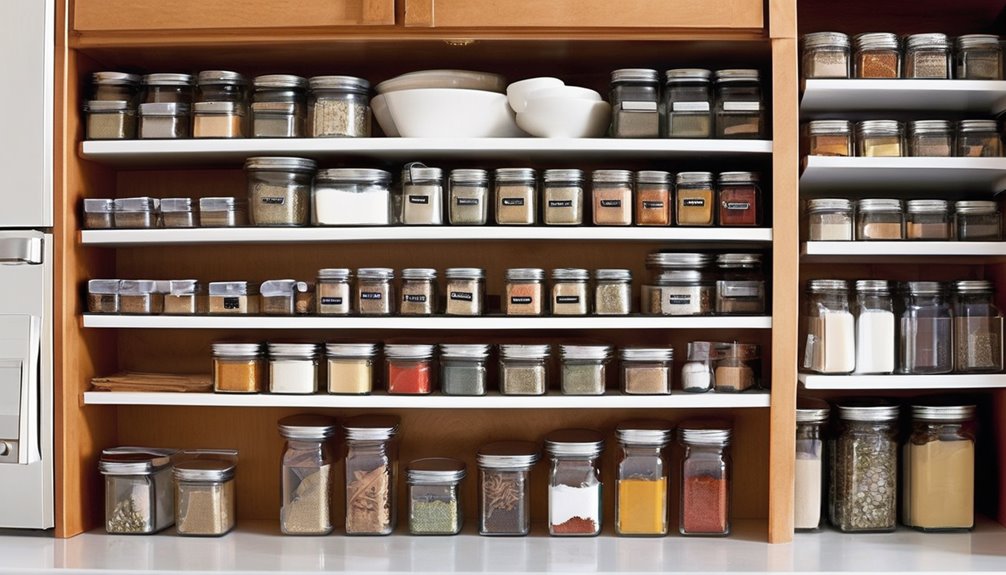
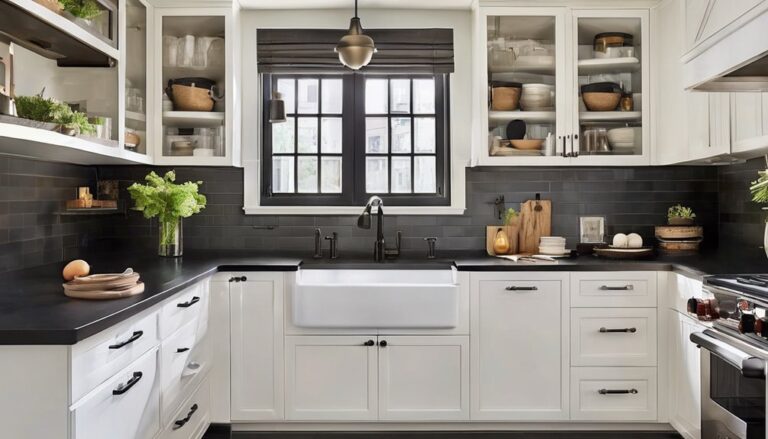
Small kitchens feel chaotic until the right gear brings order. You’ll notice how frugal gear changes everything, turning small kitchen chaos into steady routine. Choose stackable, modular items that fit your space without crowding counters. Opt for pull-out trays, slim organizers, and shallow bins that slice search time and reduce clutter. Prioritize versatility: a single rack can hold spices, lids, and measuring cups; a magnetic strip keeps knives accessible and safe. Track humidity and temperature with compact indicators so you don’t overspend on appliances you don’t need. Label containers for quick recognition, and group similar tasks near the prep zone to minimize movement. With practical, well-planned gear, you belong in a kitchen that works calmly, efficiently, and within your budget. Frugal gear supports your small kitchen chaos transformation. Space-Saving and modular designs help maximize every inch of counter and cabinet space.
Budget-Smart Storage That Frees Cabinet Space
Maximize cabinet space with stackable storage that nests neatly and frees up every inch. Pair it with slim pantry shelving to keep essentials visible and accessible without clutter. This budget-smart setup focuses on practical, compact organizers that make daily cooking more efficient.
Stackable Storage Solutions
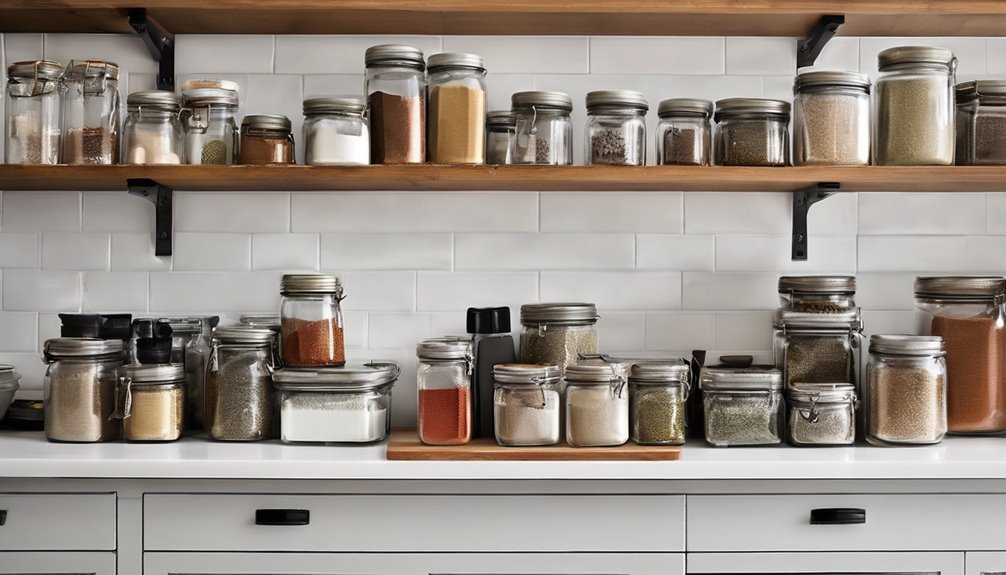
Stackable storage saves space by turning underused cabinet height into organized, accessible shelves. You’ll notice how simple tweaks—clear, uniform containers and tight-fitting lids—make surfaces feel calmer and easier to navigate. Choose stackable organization pieces that nest neatly when not in use, so you never trade one problem for another. Look for space efficient containers that resist leaks and are dishwasher-safe, easing daily routines. Labeling helps you remember what’s where without digging, which reinforces a sense of belonging in shared kitchens. Prioritize modular sets that adapt as your needs shift, from dry staples to cookware lids. With consistent sizing, you’ll create predictable stacks, reduce overpiling, and keep essentials visible at a glance. Your kitchen stays welcoming, efficient, and confidently organized.
Slim Pantry Shelving
Need more cabinet space without a full remodel? Slim pantry shelving can redefine how you store daily staples. This approach uses narrow, tall units or door-mounted organizers to create vertical storage without crowding counters. Think modular baskets, labeled bins, and pull-out shelves that fit tight gaps beside appliances. With slim pantry options, you can group by category—cans, grains, spices—and rotate items so your most-used ingredients stay accessible. The key is consistency: measure depth, height, and door clearance, then align shelves to your tallest container. By prioritizing vertical storage, you free sidewall and upper cabinets for bulky items. You’ll gain order, faster finds, and calmer mornings, all while maintaining a shared sense of belonging in a kitchen that works for you. Efficient layout supports durable organization and easier maintenance over time.
Multi-Use Tools That Replace Duplicates
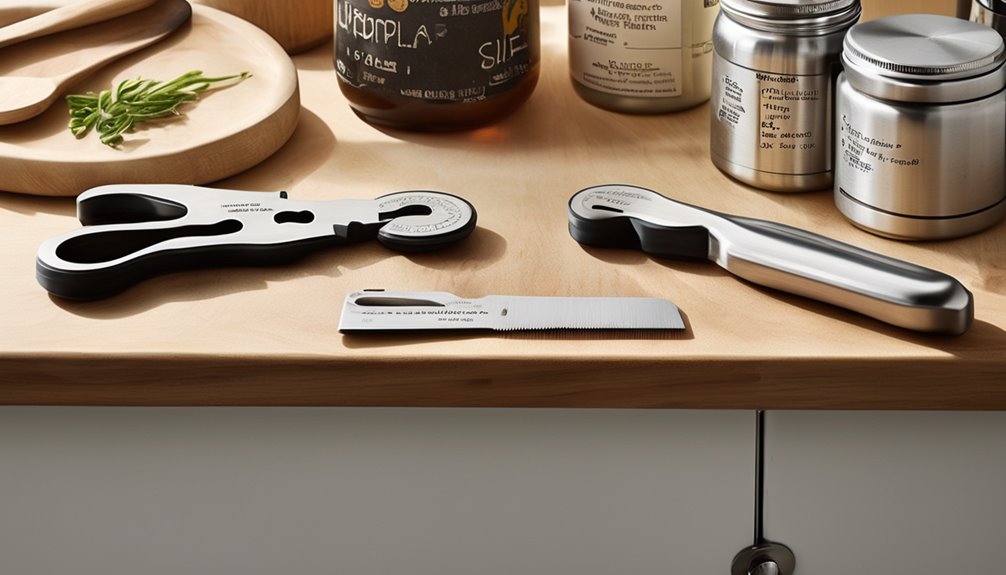
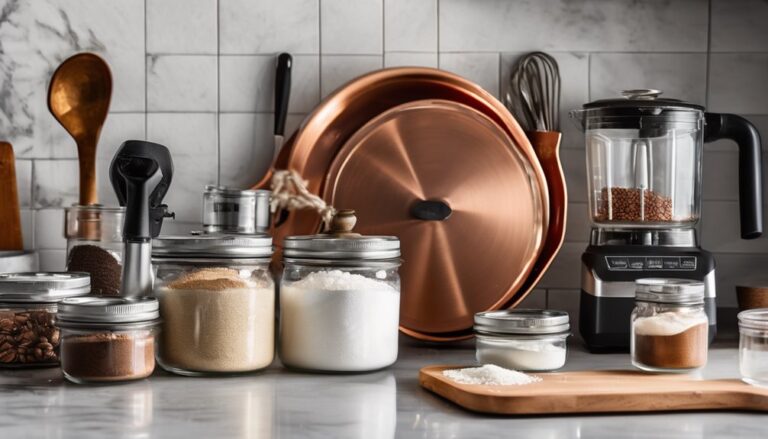
Ever wonder how a single tool can cut clutter in your kitchen? You’re about to discover how multi-use gear trims duplicates, saving space and cost. Choose items that perform multiple tasks: a chef’s knife that also scales and opens bottles, a grinding/mashing tool that doubles as a masher and puree press, and a plier-style grater that also measures. With careful selection, you reduce duplicate clutter and simplify routines, from prep to cleanup. These choices foster a sense of belonging, as everyone shares the same adaptable tools. Table below organizes ideas at a glance.
| Tool | Primary use | Bonus capability |
|---|---|---|
| Multi‑tool knife | Cutting | Scaling, bottle opening |
| Mash/grate tool | Mashing | Pureeing, crushing |
| Convertible tongs | Handling | Grating, measuring |
| Benefits | Result | Mindset |
| Duplicate reduction | Streamlined drawers | Confident, connected |
| Space saved | Neater kitchen | Belonging feel |
| Cost saved | Lower clutter | Calm efficiency |
Linking new practical options to durable, well-built appliances and tools can reinforce the idea that quality gear supports a simplified, shared kitchen routine, where each member can rely on versatile equipment for common tasks. Durable design principles help ensure these tools stay useful across tasks and users.
Labeling Systems That Stay Put on a Shoestring
Labeling that sticks doesn’t have to cost a fortune—you’ll want simple, durable options that stay put. Think budget-friendly label ideas and organized pantry labels that are easy to apply and read at a glance. Start with practical choices that combine clarity, longevity, and affordability. In addition, consider using durable, moisture-resistant labels that pair well with a reliable sealing system to keep pantry organization intact even after frequent use External Vacuum and Accessories.
Labeling That Sticks Easily
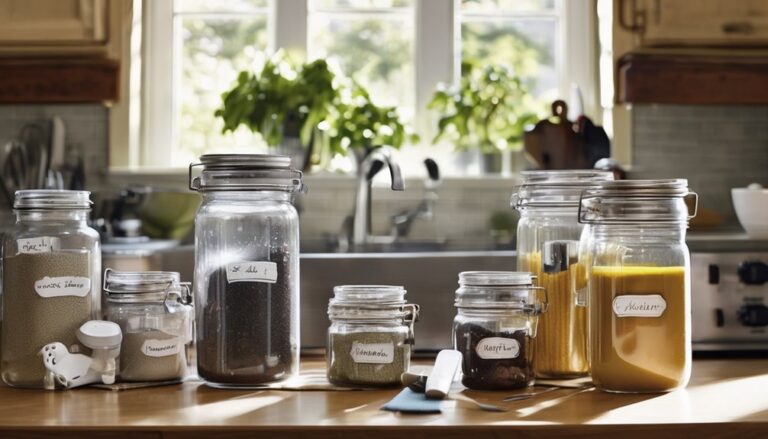
Finding a labeling system that sticks without constant rework is all about choosing the right materials and methods. You’ll prioritize label adhesion that lasts under fridge chill, pantry heat, and everyday handling. Pick labels with a durable backing and a surface that grips, like vinyl or laminated tags, and pair them with a proven adhesive designed for the storage media you use. Write clearly, using short phrases that stay legible as you stack, swap, or reuse containers. Apply labels straight and press firmly for a full cure before scrolling your shelves. Test a sample on a few containers to confirm lasting visibility. When you match reliable labeling systems with consistent placement, you’ll save time and feel a stronger sense of belonging in a well-organized kitchen.
Budget-Friendly Label Ideas
Budget-friendly labeling doesn’t have to drain your wallet; with smart material choices and simple systems, you can keep containers clearly marked without constant touch-ups. You’ll find budget friendly label ideas that feel practical and approachable, not gimmicky. Choose reusable vinyl or laminated paper and apply with a light adhesive that peels cleanly when needed. Use consistent fonts and color codes to boost quick recognition, so you don’t waste time hunting leftovers. For jars and canisters, create a simple one-line descriptor plus date or batch code to track freshness. Tape labels on shelves can fade; instead, invest in a slim, wipeable label sleeve. Pair labels with a simple color legend to foster belonging and shared routines in your kitchen. Additionally, many air fryer guidance tips emphasize reliable, dishwasher-safe parts and easy cleanup, which aligns with choosing durable labeling that withstands regular washing and handling. Color legend helps everyone in the kitchen follow the same system and keep foods properly tracked.
Organized Pantry Labels
Organized pantry labels give you fast, reliable organization without constant upkeep, even on a tight budget. You’ll keep shelves neat with clear, durable labeling systems that resist wear and tear. Choose simple fonts and high-contrast colors so everyone in your home can read them quickly, promoting belonging and shared responsibility. Use label materials that tolerate moisture and oil, like matte vinyl or laminated tags, and apply them in consistent spots to avoid chaos. Keep a label spare kit for rebranding or seasonal changes, so your organized pantry stays current.
- Pick a single font and color scheme for all labels
- Use moisture-resistant materials for longevity
- Label by category, not item
- Create a quick rotation and update routine
Energy-Saving Gadgets That Trim Daily Costs
Consider how small upgrades can shave daily costs without sacrificing convenience. You’ll notice energy saving gadgets that fit a budget friendly mindset without overhauling your routine. Start with smart power strips to cut phantom loads, then choose LED lighting in zones you cook and clean most. A temperature-controlled kettle and high-efficiency microwave can reduce heat waste, while a fridge thermometer helps prevent chilly waste from overcooling. Use a smart thermostat-compatible coffee maker or programmable kettle to avoid idle hot water. Low-flow faucets and aerators cut water use at the sink, saving both energy and money. Add energy efficiency labels when shopping, and prioritize durable, repairable gadgets. Small, intentional upgrades reinforce belonging and steady, affordable routines, including models with adjustable features like adjustable headrest and lumbar support for ergonomic comfort. energy saving, budget friendly.
DIY or Refurbished Finds That Still Perform
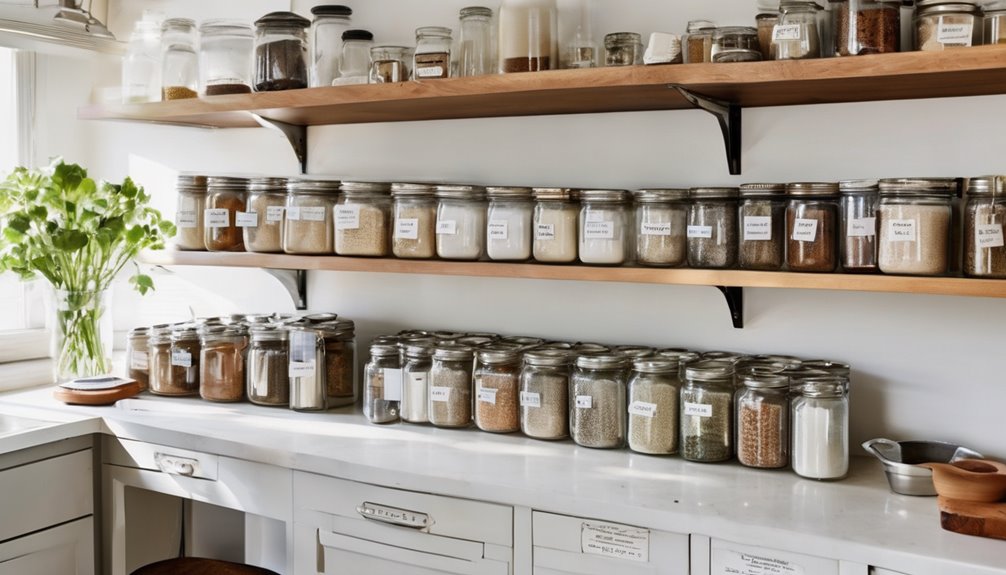
Can you still get solid performance without paying full price? Yes, and you’ll notice it in your kitchen routine with DIY or refurbished finds that still perform. You’re joining a practical circle that values value, reliability, and shared know-how—no status symbols needed. Here’s how to stay smart: frugal gear can stretch a budget without sacrificing function refurbished finds often come with tested reliability and warranties shop for parts or upgrades that extend lifespan, not flashy features prioritize items you actually use, maintaining a lean, proven lineup Universal Power Hub
Build Your Starter Kit for a Clutter-Free Kitchen
Wondering how to start clean and stay that way? You can build a starter kit that actually supports daily habits. Start with a few versatile, frugal gear items: a compact knife set, measuring cups, a reusable bottle, and a small cutting board. Choose stackable containers for leftovers and dry goods, plus a labeled, simple organizer for drawers. Prioritize quality over quantity to keep clutter free, but avoid overspending by repurposing items from around the house. Maintain a quick cleaning routine: wipe, rinse, and return each piece. Rotate essentials seasonally so you only own what you use. Below is a simple guide to pair items with purpose.
| Item | Purpose |
|---|---|
| Knife set | Prep efficiently |
| Containers | Store & organize |
Additionally, consider lightweight, multi-use tools that save countertop space and reduce the need for duplicate gadgets. Power and speed range awareness can help you select appliances that perform well without crowding the kitchen, ensuring your starter kit stays compact and functional.
Frequently Asked Questions
How Do You Measure if a Gadget Truly Saves Space?
You measure if a gadget truly saves space by comparing its footprint with what it replaces. To compare compactness, note height, width, and depth, plus mounting needs. To gauge real space savings, track how often you reach for it versus alternatives and total clutter reduction. Consider stackability, multi-use functions, and clearance around it. You’ll see how to compare compactness clearly, and how to gauge real space savings, when you test in your own kitchen daily routine.
What’s the Best Way to Test Durability on a Budget?
You should test durability on a budget by using practical, repeatable methods and honest criteria. Try drop, bend, and load tests with routine, everyday use, then note any signs of wear. Track performance over time and compare to similar gadgets. Use budget durability as a baseline: focus on build quality, materials, and ease of repair. Document results, seek user feedback, and adjust expectations. This approach helps you feel confident, joined, and supported in your choices.
Which Frugal Finds Blend Style With Practicality?
Practical style wins: you’ll find frugal finds that blend flair with function, proving you don’t have to sacrifice taste for thrift. You’re drawn to items that pair clean lines with sturdy builds, so you feel organized and confident. while sleek design against low cost to highlight smart choices. You’ll notice practical style in multipurpose tools, modular bins, and timeless palettes—each piece inviting belonging while keeping clutter at bay and your kitchen gracefully efficient.
How Often Should You Declutter Pantry and Tools?
Declutter your pantry and tools every 3–6 months, adjusting the cadence to your use and seasonal needs. This decluttering cadence keeps items reachable and reduces waste, whereas pantry optimization helps you see what you actually use. You’ll gain more belonging in a kitchen that feels calm and navigable. Keep a simple checklist, label containers, and recycle or donate what you don’t need. Small, regular sweeps prevent clutter from creeping back.
Can You Repurpose Old Items Without Compromising Safety?
Yes, you can repurpose old items, but safety comes first. Check for cracks, wear, and cleanliness, and avoid anything that could leak or crumble. If in doubt, don’t use it for food. Use repurposed items for non-food tasks or storage, not direct contact with meals. Practice repurposing hazards awareness, and label anything you repurpose. Safety first repurposing helps you feel confident, belong, and keep your kitchen organized and practical for everyone.