You want affordable, energy‑efficient cookware that’s durable and practical. Look for a mix of enameled cast iron, aluminum, and stainless steel, focusing on even heat, good lids, and sturdy handles. Check induction compatibility with a magnet test, and prefer budget pieces that perform well at low‑to‑medium heat. Compare sets vs. single pieces for value, and verify warranties and independent test data. Ready to spot safe, tested options that cut waste and fuel usage? You’ll learn more next.
Key Takeaways
- Verify induction compatibility with a magnet to ensure energy-efficient performance on induction stoves.
- Prioritize even heat distribution and lids for tight seals to reduce energy waste during simmering.
- Favor durable materials (stainless steel multi-ply or enameled cast iron) for longevity and lower replacement costs.
- Compare independent lab-tested energy efficiency and maintain clear warranties when shopping on a budget.
- Match pan size to burner and dish, preheat modestly, and use lids to minimize heat loss.
How to Find Energy-Efficient Cookware on a Tight Budget
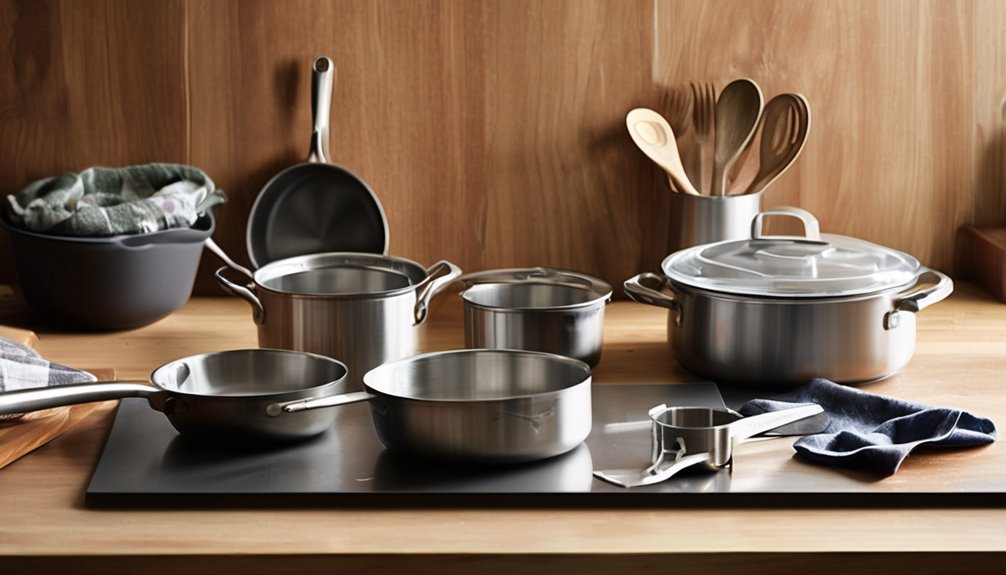
Looking for energy-efficient cookware on a tight budget means focusing on value, durability, and heat efficiency rather than price alone. You’ll start with budget basics: compare heat retention, energy use, and compatibility with your stove. Prioritize materials and designs that evenly distribute heat, reducing boil times and fuel or electricity use. Seek cookware bargains that pair solid construction with low long-term costs, such as well-fitting lids and sturdy handles. Check certifications like energy or performance marks, and read reviews about warp resistance and lid seal quality. Favor pieces that multi-task—saute, simmer, and finish in one pot—to cut clutter and waste. Build a simple set from trusted brands known for longevity, and plan replacements only when durability is proven. This approach supports belonging through smart, informed choices.
Materials That Deliver: Enameled Cast Iron, Aluminum, and Stainless Steel
Enameled cast iron offers strong heat retention and even cooking, though it’s heavier and typically pricier than alternatives. Aluminum delivers fast, uniform heating and excellent responsiveness, but often requires protective coatings to prevent reaction with acidic foods. Stainless steel combines durability with decent heat distribution, making it a versatile choice for budget-conscious cooks seeking longevity.
Enameled Cast Iron Benefits
Enamelled cast iron offers durable, low-maintenance cooking with even heat distribution and excellent heat retention, making it a practical choice for both searing and slow simmering. You’ll notice steady temperature control across pan surfaces, reducing hot spots and uneven bites. The enamel coating resists sticking, cleans easily, and tolerates acidic foods without seasoning. Thanks to substantial heat retention, you can finish dishes with shorter oven times or lower burner settings, saving energy over the cook, not just during heavy-use moments. Durability translates to longer cookware life, especially with gentle handling and proper care. For shared kitchens and budget-conscious households, enameled cast iron combines reliability, performance, and a sense of belonging to a trusted cooking community that values efficiency and consistency. Moreover, when choosing heavy-duty options, you can look for features aligned with high-throughput juicing and robust construction such as durable materials (cast iron, aluminum, stainless steel) and dishwasher-safe components that ease maintenance and downtime. Durable materials and thoughtful design contribute to long-term reliability even under frequent use.
Aluminum Heat Conductivity
Aluminum stands out for rapid, uniform heat transfer, making it a favored choice when quick response to temperature changes matters. You’ll feel the benefit in fast preheating and steady simmering, thanks to high thermal conductivity. In cooking terms, this means you can regulate heat with fewer hot spots and more predictable results. Recycled aluminum compounds this value, supporting sustainability without sacrificing performance. However, you’ll want to consider nonstick safety: many inexpensive aluminum pans use coatings that can degrade with high heat or aggressive utensils, so follow manufacturer guidance and avoid metal scrapers. For budget-conscious kitchens, aluminum delivers excellent heat response at low cost, especially when paired with careful maintenance and appropriate cookware routines. When you’re balancing speed, price, and safety, aluminum remains a practical, belonging-friendly option.
Stainless Steel Durability
Stainless steel stands up to daily use with solid durability and low maintenance, making it a reliable backbone for most budgets and cooking styles. You’ll notice corrosion resistance and minimal reaction with foods, key for versatile kitchen tasks. Stainless does not heat as evenly as copper or aluminum, but modern multi-ply builds improve performance without significant weight or cost spikes. In budget cookware testing, durability metrics focus on surface wear, warp resistance, and handle attachment integrity over time. Expect many pieces to maintain grate-free performance after repeated dishwashing and thermal cycling. Maintenance favors gentle cleaners and dry storage to prevent spotting. When selected wisely, stainless steel delivers dependable longevity, enabling you to invest once and reuse across meals, aligning with inclusive, belonging-focused cooking communities. Also, understanding how steel compositions influence both durability and heating efficiency can help you compare options more accurately. Key properties influence decision making when selecting cookware for long-term use.
Budget Kit Strategies: Sets vs. Individual Pieces
When budgeting for cookware, should you buy a complete set or mix-and-match pieces? You’ll save more by budgeting consciously, prioritizing essential pieces, and choosing versatile options. Sets offer value through bundled pieces, but silos of cookware can lock you into mismatched quality. To stay value focused, start with core functions: sauté, simmer, boil, and nonstick for eggs. Add pieces only after testing needs.
- Core skillet (10–12 inches) for daily sears
- Medium pot (2–3 quarts) for sauces or grains
- Small saucepan (1–2 quarts) for reheating
- One multipurpose lid and compatible pan for consolidation
Keep receipts and warranties intact; compare per-piece cost within sets versus single items. This mindset supports budget conscious choices and a sense of belonging to smart, value-driven kitchens. For long-term reliability, consider the durability and weight capacity of your gear to ensure it can keep up with frequent use and potential home cooking adventures durable construction.
Are Your Pans Induction-Ready? Matching Budget Options to Your Stove
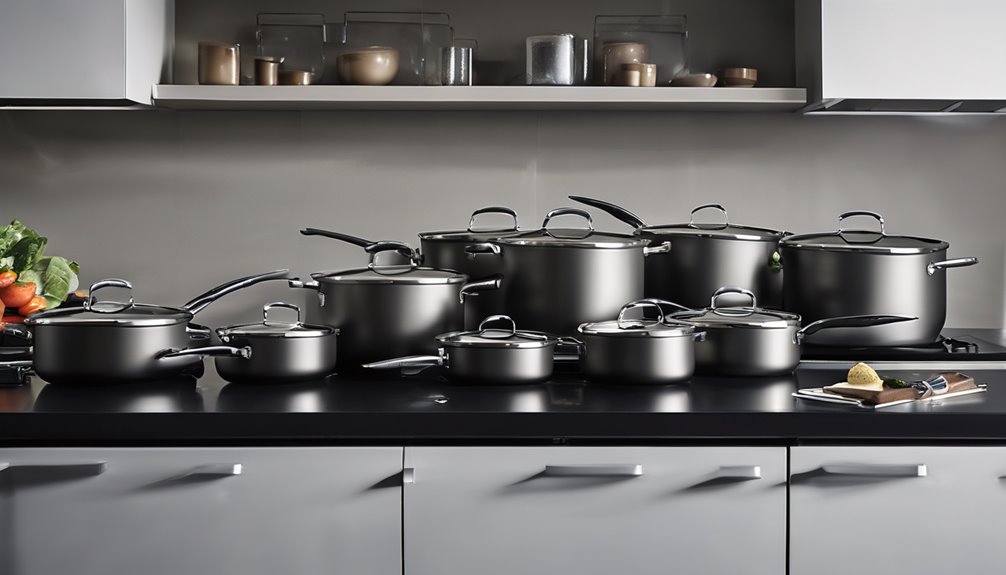
Are your pans ready for induction, or are you buying blind? You want clear signals: induction compatibility, base material, and coil coverage. Modern induction works with ferrous metals—steel, cast iron, some magnetic stainless steel. If you’re on a budget, look for lightly used or entry-level options labeled induction-compatible, then verify with a magnet test. Budget options include plain skillets, saucepans, and versatile woks made from magnetic stainless steel or seasoned cast iron, paired with flat, smooth bottoms for stable contact. Avoid nonmagnetic aluminum or copper alone unless paired with a magnetic layer. Compare cladding, heat distribution, and warranty. Prioritize pans that deliver consistent heat at common stove temps, so you won’t overpay for energy inefficiency or mismatch. Induction-ready basics save money and reduce clutter. For stability and long-term value, a one-piece sturdy design and reliable lift mechanism are important factors to ensure your cookware stays level and performs consistently across meals.
Energy-Saving Techniques With Budget Pans
Efficient budget heating starts with choosing the right pan size to minimize heat loss and maximize transfer. Small adjustments, like matching pan diameter to your burner and using lids, can reduce energy use by several percent per meal. We’ll also cover steam-laving heat loss (proper term: steam loss) and how sealing with lids and efficient steaming practices preserve heat and nutrients.
Efficient Budget Heating
You can boost savings by choosing budget pans with even heat distribution and low-to-medium heat settings, since these minimize energy waste and prevent scorching.
Additionally, selecting models with consistent heat and quiet operation helps maintain efficient cooking practices over time quiet operation.
Steam-Laving Heat Loss (Note: Revise to Accurate Term)
What about steam losses—how much heat actually escapes when you simmer with budget pans, and can you cut it? In practice, steam laving heatloss arises from imperfect lid seal and material gaps. You’ll see modest losses in simmering: a well-fitted lid and moderate heat keep 60–80 percent of energy directed to the food, with the rest lost to steam and pot walls. To reduce waste, preheat modestly, use low-to-medium simmer, and choose budget friendly cookware with tight lids and insulated handles. Seal matters more than size for efficiency, so check lid fit and rim condition. Expect small, steady improvements, not dramatic swings. Steady temperatures, minimal lifting, and patience yield reliable results without overpaying. steam laving heatloss, budget friendly cookware. lid seal
Pan Size Optimization
Should you match pan size to the dish or dollar? You’ll optimize energy efficiency by sizing cookware to the task, not the sale. A pan that’s too large wastes heat and energy; one that’s too small sponges more minutes on the stove. Use close-fitting lids and evenly thick bases to maximize heat transfer. Selecting the right size reduces energy use per meal and lowers costs over time. Visualization of a tight-fit pan reduces heated ounces and waste, which aligns with the principle of dual-zone efficiency found in multi-functional appliances like dual-basket and dual-zone air fryers that optimize cooking with minimal oil. tight-fit pan helps you pair with appropriate burner size to minimize heat loss.
Safe, Tested Linings and Coatings Without the Premium Price
Safe, Tested Linings and Coatings Without the Premium Price. A budget-friendly approach still emphasizes independent tests and durable materials, helping you balance upfront cost with long-term value. premium materials provide a smoother, longer-lasting experience without breaking the bank. In practice, compare coating safety across brands by reviewing independent results, material composition, and wear resistance ratings. This helps you gauge longevity without overpaying. When you review costs, weigh upfront price against expected lifespan and replacement cycles. Favor options with transparent test data and clear warranty terms to support a confident, belonging-ready choice.
Maintenance Tips to Extend Lifespan and Efficiency
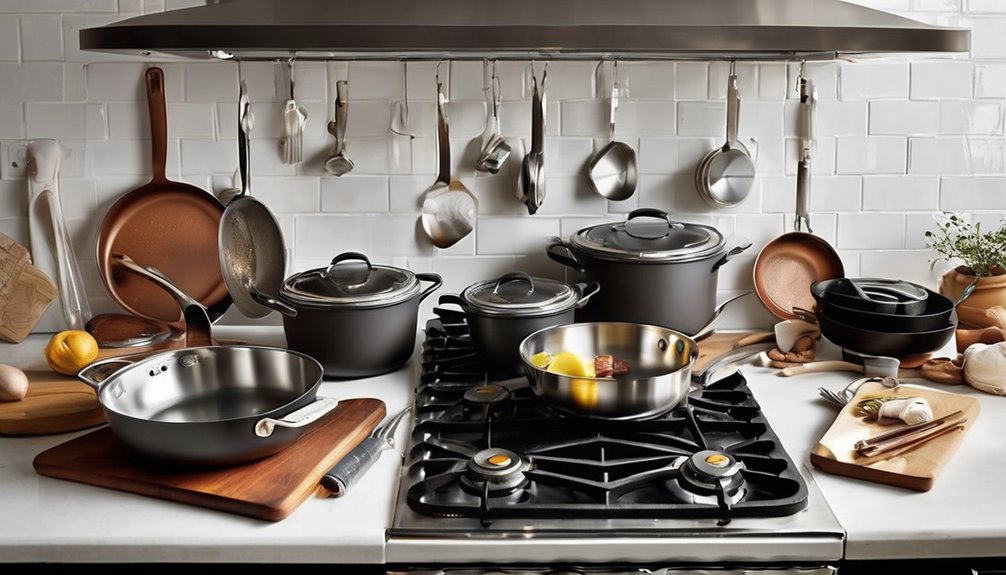
Maintaining your budget-friendly, energy-efficient cookware starts with simple, data-backed care routines that extend both lifespan and performance. You’ll see longer life and steadier efficiency when you follow evidence-based practices and consistent habits. Regular inspections of seals and handles help catch wear before failure, supporting safer, longer-lasting use overload protection and safer operation.
- Inspect seals and handles regularly to catch wear before failure, reducing costly replacements.
- Clean with non-abrasive pads and mild detergents to preserve coatings and prevent buildup.
- Cook on appropriate heat settings to optimize seasonal efficiency and minimize energy use.
- Store safely, stacking only with protective padding to avoid warping or scratches.
Budget friendly upkeep rewards you with fewer replacements and steadier performance. Track outcomes, note any changes in heat response, and adjust usage accordingly. Regular maintenance isn’t just care—it’s a data-driven edge for confident, belonging-focused cooking.
Smart Shopping: Budget Finds, Warranties, and What to Watch For
Smart shoppers know that budget finds can deliver real value if you assess performance, warranties, and red flags upfront. When you compare budget options, look for reliable heat distribution, consistent nonstick wear, and compatibility with your stove. Check independent reviews and lab-tested metrics to verify energy efficiency claims, not just price. Warranty tips: confirm coverage length, what is covered, and whether you’re responsible for return shipping. Favor retailers with clear terms and easy process for claims. Watch for common pitfalls, like gimmicky coatings or thin bottoms that warp. Prioritize cookware with durable construction and verified energy savings. A well-chosen, affordable piece can boost belonging as you share results with friends, building trust in your smart, budget-conscious choices. Energy efficiency performance remains a key factor when evaluating value across budget cookware options.
Frequently Asked Questions
How Do I Test Pans for True Energy Efficiency at Home?
You can test pans for true energy efficiency at home by using simple, repeatable methods. Start with testing methods like boiling a fixed amount of water and measuring time to reach a rolling boil, then compare energy usage via a kitchen timer and your stove’s power setting. Track energy measurement by noting wattage on your range and duration, plus water temperature changes. This data helps you choose efficient pans that fit your cooking needs and sense of belonging.
Are Ceramic Coatings Safer Than Traditional Nonstick?
Most ceramic coatings are considered safer than traditional nonstick, but it depends on formulation and usage. You’ll find that ceramic safety varies by brand, whereas nonstick toxins can be a concern if overheated or damaged. A common stat: many people mistakenly heat pans beyond 450°F, increasing risk. You want cookware that’s third-party tested, with scratch resistance and proper venting, to feel like you belong in a kitchen where safe choices matter.
Can I Upgrade to Induction With a Budget Pan Adapter?
Yes, you can upgrade to induction with a budget pan adapter. If you’re aiming for induction compatibility, budget pan adapters let you use non‑induction pots on an induction hob, though performance varies by material and size. Expect efficient heat transfer when the base matches the adapter’s diameter. For value, compare heat-up times and simmer accuracy across options, and choose a model with solid reviews. You’ll feel confident joining the induction crowd without breaking the bank.
What’s the Best Way to Store Budget Cookware Without Damage?
Store budget cookware by keeping it dry, stacked neatly, and away from moisture-prone walls to protect budget storage and prevent warping. Use soft separators between pans to avoid scratches, and store lids separately or upright to maintain cookware durability. Avoid heavy stacking that strains handles. Label and rotate regularly so every piece gets checked. This careful approach boosts cookware durability while you save, and it reinforces a sense of belonging in your organized kitchen routine.
Do Cheaper Pans Affect Cooking Time Accuracy?
Cheaper pans can affect cooking time accuracy. You’ll notice hotter spots or uneven heat, which skews timing if you don’t account for it. To verify, do home testing: compare boiling times, simmering, and steady temperatures across your stove cycles. Energy efficiency matters—inferior pans waste heat and extend cook times. Track results, adjust recipes, and choose consistently reliable options so you feel you belong in a kitchen that values data-driven decisions.