You don’t have to overpay for reliable kitchen tools; start with durable basics that actually last. Look for full-tang knives you can sharpen, sturdy skillets with solid coatings or clear finishes, and pots with tight lids. Favor modular parts and repairability over gimmicks. Prioritize materials that resist heat, moisture, and impact, and treat wear as a normal part of life—not a reason to toss. If you keep digging, you’ll uncover why this approach pays off long-term.
Key Takeaways
- Prioritize budget staples with full tang, corrosion-resistant metal, and durable coatings for long-lasting performance.
- Choose multi-use essentials (skillet, chef knife) over decorative gadgets to maximize value per tool.
- Favor modular tools with replaceable parts and easy disassembly to extend repair life.
- Invest in proper maintenance: prompt cleaning, sharpening, lubrication, and routine part tightening.
- Leverage warranties and return policies to verify real durability and total cost of ownership.
Evaluate Tools Fast: Durability, Materials, and Repairability
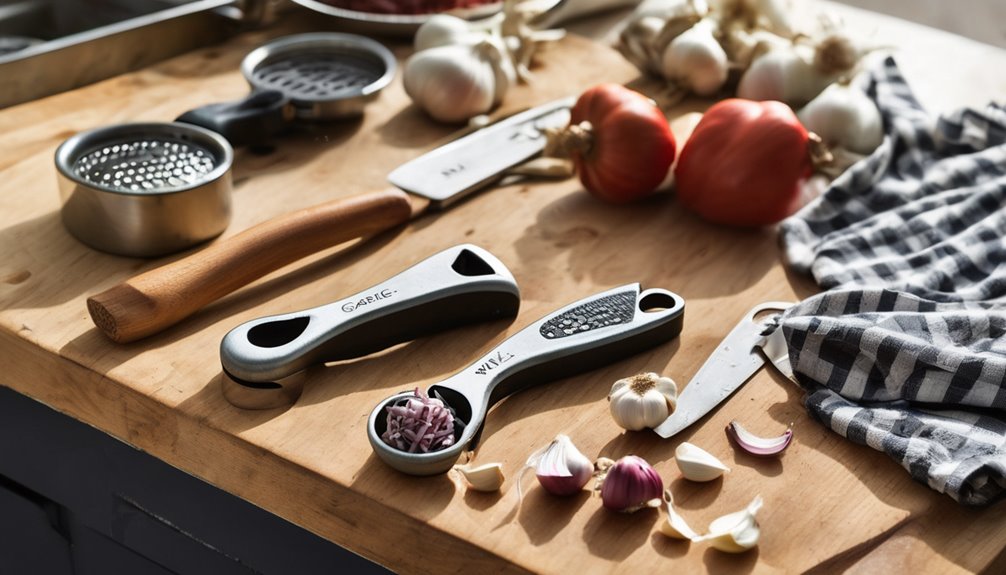
When you’re evaluating kitchen tools fast, durability, materials, and repairability should drive the decision, not just the price tag. You’ll quickly weigh durability metrics like wear resistance and life expectancy, then compare core materials for heat, moisture, and impact tolerance. Don’t assume cheaper means equal performance—the cost trend can hide hidden flaws. Consider repairability tradeoffs: modular parts, available replacements, and ease of disassembly. You want tools that resist failure yet aren’t overengineered beyond your use, so you feel confident in everyday tasks. Be skeptical of hype, verify real-world tests, and prioritize consistency over novelty. Choose with belonging in mind—reliable tools that fit your routines, respect your budget, and invite steady, uncomplicated cooking rather than constant shopping.
Budget Staples That Actually Last: Pans, Knives, and Essentials
Budget staples that actually last aren’t luck—they’re choices. You don’t need fancy gear to build confidence in the kitchen; you need reliable basics. Start with a sturdy skillet that distributes heat well and a chef knife you can sharpen, not replace every season. Look for tool longevity in construction: a forged blade, a full tang, and metal that resists corrosion. Prioritize pans with tight-fitting lids and smooth, durable coatings or uncoated surfaces you understand. For essentials, opt for multi-use tools you’ll actually use, not decorative gimmicks. It’s about consistency, not impulse buys. Yes, cheaper upfront options can fail, but budget staples that meet your needs become cost-effective, lowering frustration and reinforcing belonging in your cooking routine. Petite Fit Considerations
Maintenance Habits That Double Your Tool Lifespan
Keeping your durable kitchen tools in good shape is how you turn that upfront savings into real, ongoing value. You’ll get more life out of each item when you commit to steady habits that matter: durability testing mindset and repairability focus. Don’t assume tools are disposable after a scrape or a dent; assess and act.
Keeping durable kitchen tools in good shape turns savings into ongoing value through steady, repair-focused habits.
- Wash and dry promptly to prevent corrosion and rust
- Sharpen knives and reset edges on blades, using proper guides
- Lubricate moving parts and tighten fasteners on a schedule
- Document wear patterns to guide timely repairs or replacements
These steps reinforce belonging to a practical community that triends quality with thrift, skeptically validating claims while you actually extend tool life.
Smart Buying by Budget: Warranties, Returns, and Value Tips
Smart buying on a budget isn’t about chasing the cheapest tools; it’s about factoring warranties, returns, and real value into every purchase. You’ll want sturdy criteria: budget warranties that actually cover common failures, clear return policies, and honest assessments of durability. Favor tools built from durable materials and check how easily parts can be replaced or repaired, not just how they look on sale. Question the fine print: does coverage require registration, or limit claims by usage? A thoughtful buyer weighs repairability as part of total cost of ownership, avoiding gimmicks that spike price for short-term gains. Don’t assume quality comes from a brand name alone; verify performance, longevity, and service avenues. Frugality plus discernment equals lasting, hassle-free kitchen tools. Durable materials support longer life and easier part replacement, which matters when you’re choosing dual-voltage travel kettles with metal interiors and safety features.
Quick Checklist: Before You Buy, After You Buy
Curious how to avoid buyer’s remorse? You’ll want a tight pre- and post-purchase checklist that keeps you grounded. Before you buy, compare cheap alternatives against true value, weighing durability considerations over price alone. Consider how your tools fit your kitchen longevity goals and whether repairability traits matter if life happens. After you buy, inspect performance, use patterns, and store properly to extend relevance. If something feels flimsy, don’t force it—return or replace before you’re locked in. Track costs versus utility, and don’t assume a high price equals smart longevity. Your careful approach builds belonging with others who value practicality and shared wisdom. durability considerations
Frequently Asked Questions
How Do I Spot Counterfeit or Fake-Brand Kitchen Tools?
Spot counterfeit kitchen tools by treating the market like a crowded bazaar—trust your senses and verify clues. You’ll detect fakes if you inspect logos, weights, materials, and seams, compare to trusted models, and test grips for sturdiness. Watch for uncanny cheapness, odd finishes, or misspelled marks. Don’t rush; ask for serials, warranties, and buy from reputable retailers. You spot counterfeit by diligence, skepticism, and choosing quality you can truly trust, not just price.
Do Inexpensive Tools Compromise Safety Standards and Performance?
Yes, inexpensive tools can threaten safety or performance, so you should be cautious. Cheap durability often hides thinner blades, rough finishes, or weaker plastics, creating safety tradeoffs you’ll notice in use. You deserve reliable gear, so test handles, grips, and locking mechanisms, and favor reputable brands with warranties. If something feels flimsy, pass. You’ll protect yourself by investing a bit more upfront for longer-lasting, safer kitchen tools that fit your practical, belonging-minded vibe.
Can Secondhand or Refurbished Tools Last as Long?
Yes—secondhand or refurbished tools can last, but you should inspect, test, and verify warranties before committing. You’ll want honest checks on blade edge, switch, and seals, and you’ll consider secondhand durability alongside refurbished longevity claims. Like sturdy bricks in a shared wall, you gain value when you buy from trusted sources. If you’re cautious, you’ll fit in, save money, and feel confident that your kitchen tools perform reliably.
What Hidden Costs Come With Cheap Durable Kitchen Tools?
Hidden costs with cheap durable kitchen tools include shorter lifespans plus frequent replacements, which can total more than you expect. Consider durability tradeoffs—less reliable hinges, coatings that chip, or blades that dull quickly. You might save upfront, but you’ll spend time and effort shopping, repairing, or tossing. If belonging matters, choose tools you trust, even if pricier upfront, to avoid extra trips, wasted materials, and regretful purchases. Build a practical, long-lasting kit you can rely on.
Which Brands Balance Affordability and Long-Term Warranties?
When you look for brands, you’ll find options that balance affordability and long-term value. Prioritize affordable warranties and budget friendly durability, so your tools last without guilt. You’ll want transparent return policies and durable build quality, not flashy promises. Be cautious of hype and look for independent reviews. In the end, you’ll belong to a community that values practicality, skepticism, and smart choices from brands that actually stand behind their claims.