Set a realistic kitchen budget and stick to it, prioritizing multifunctional, durable basics over flashy clutter. Build a core kit with a sturdy knife, cutting board, skillet, pot, and measuring cups, then add upgrade tiers as you use items. Shop smart with a clear list, compare prices, and choose long‑lasting pieces. Embrace energy‑smart habits and proper care to extend life. If you keep at it, you’ll uncover practical upgrades and smarter gear paths soon.
Key Takeaways
- Prioritize multifunctional, durable basics (knife, cutting board, skillet) to maximize daily use and minimize clutter.
- Build a simple kit and upgrade gradually via a Use-Tier Gear Ladder for practical tasks.
- Stick to a clear budget, compare prices, and read reviews to ensure long-term value.
- Stock lean pantry staples and essentials to enable flexible meals with minimal waste.
- Optimize energy and storage habits (full loads, proper temps, batch cooking) to save time and costs.
Set a Realistic Kitchen Budget
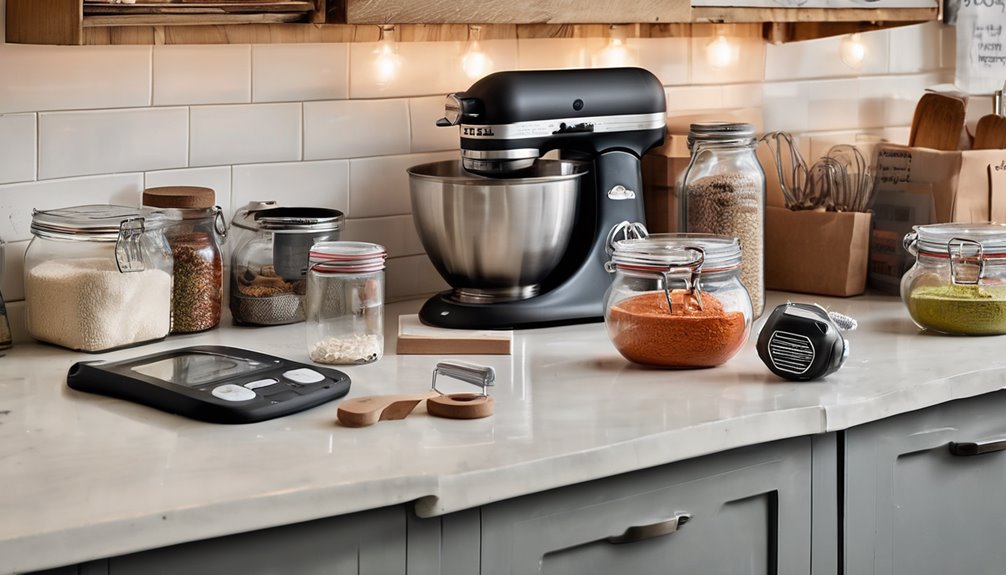
Setting a realistic kitchen budget isn’t about cutting every corner—it’s about prioritizing what you actually use. You’ll approach budget planning with honesty, listing essential tools, durable basics, and flexible options you can grow into. Start small: define a monthly ceiling, then allocate funds for cookware, utensils, and appliances you truly need, not what’s flashy. Prioritize quality where it matters and avoid impulse buys that add up. For cost conscious shopping, compare models, read reviews, and seek reliable, versatile pieces you’ll reuse daily. Track every purchase and adjust once a quarter, letting real use drive decisions. You belong here, budgeting as a practical habit, not a perfection standard. Consistency beats intensity, and steady, thoughtful choices build a kitchen you trust without overspending.
Essential Budget Staples for a Functional Kitchen
Your budget kitchen starts with smart, reliable pantry staples and essential tools you actually use. Stock up on Budget-Friendly Pantry Staples like rice, beans, canned tomatoes, and oats, plus a practical Essential Kitchen Tools List for quick meals and cleanups. Keep it tight: choose versatile items, buy in bulk when it saves, and pick tools that last. A budget-friendly air fryer can be a game changer for quick family meals and saves on energy while staying safe with auto shutoff multi-function features.
Budget-Friendly Pantry Staples
Stock up on a lean set of pantry staples to make quick, budget-friendly meals without daily trips to the store. You’re building reliability with a few core items that cover breakfast, lunch, and dinner, so choose versatile, shelf stable staples you actually use. Think dried beans, rice, nondairy or dairy options, canned tomatoes, and a lean spice lineup. Include a few affordable proteins like canned tuna or chickpeas, plus affordable oils and vinegars to finish sauces. Plan for flavor with garlic, onion, and dried herbs. Label and rotate so nothing spoils, and buy in bulk when it saves money. This approach keeps your kitchen welcoming and practical, reinforcing belonging through dependable, budget friendly pantry choices. Your shelves stay organized, purposeful, and ready. Shelf-stable staples help ensure quick, nutritious meals even on tight weeks.
Essential Kitchen Tools List
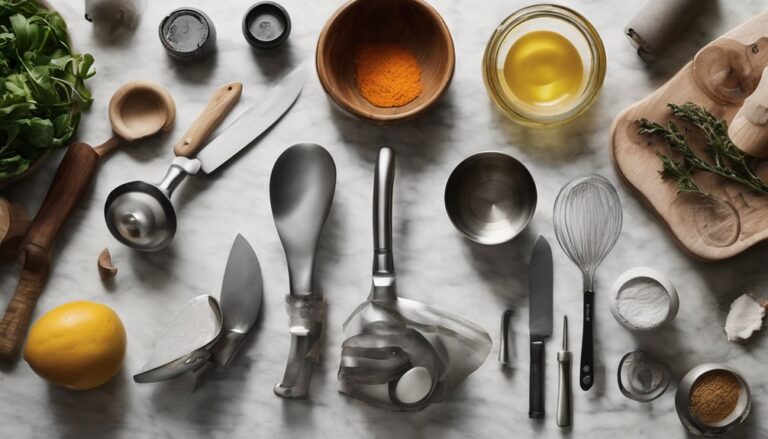
A practical kitchen starts with a lean set of essential tools and budget-friendly gear that make everyday cooking quick and reliable. You don’t need fancy—just reliable basics that fit your space and budget. Start with a sturdy chef’s knife, a dependable cutting board, a heatproof spatula, and a versatile skillet. Add a medium pot, a colander, and basic measuring cups for precise results. A chef’s whisk, tongs, and a reusable sheet pan round out core tasks without clutter. Choose compact appliances only if they earn real use—think a small blender or a space-saving toaster oven. Practice low waste budgeting by dual-purposing tools and buying multi-use items. This practical kit supports belonging, simplifies decisions, and keeps your kitchen efficient and welcoming compact appliances.
Build a Use-Tier Gear Ladder (Budget-Friendly Upgrades)
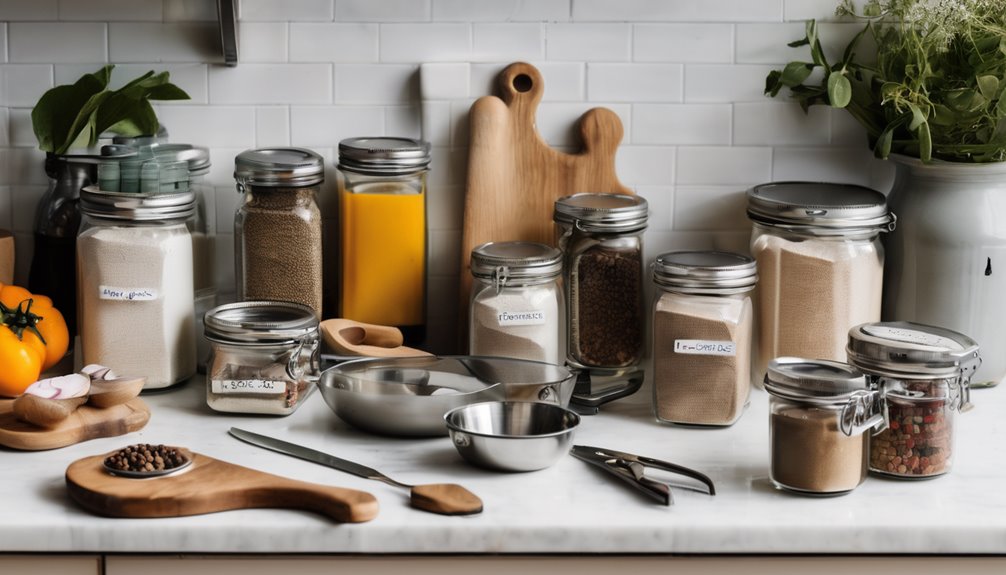
Start with a budget-friendly baseline gear you already use, then map a clear upgrade path that fits your kitchen tasks without breaking the bank. Think in tiers: simple upgrades that unlock practical use scenarios and build confidence before moving up. This ladder keeps you focused on cost-conscious choices while covering the core points: Budget-Friendly Baseline Gear, Tiered Upgrade Path, and Practical Use Scenarios, all while keeping an eye on fuel-efficient, portable options like a compact manual lever system.
Budget-Friendly Baseline Gear
Looking for real value upfront? You’ll build a solid baseline without overbuying, focusing on essential gear that lasts. Your goal is budgeting basics with gear longevity, so choose sturdy, simple pieces you’ll actually use every week. Start with a reliable skillet, a sharp chef’s knife, a medium pot, a durable cutting board, and a basic toaster or heat-safe pan for quick meals. Prioritize repairability and warranties, not flash. This baseline helps you feel connected to meals and community—affordable gear that invites you to cook more often. Table below captures the baseline, feelings, and intent.
| Baseline Item | Why it matters | Expected Longevity |
|---|---|---|
| Skillet | Even heat, versatile | 5+ years |
| Knife | Precision prep | 5–10 years |
| Pot | Stews, sauces | 5–10 years |
| Cutting board | Safe prep | 5+ years |
| Toaster/heat pan | Quick meals | 3–5 years |
A practical approach that aligns with enduring performance is to consider pieces with durable stainless construction, straightforward repairs, and reliable warranties, which can guide the selection of core tools that stay useful over time. Durable construction supports long-term value as you build your kitchen baseline.
Tiered Upgrade Path
Ever wonder how to level up without blowing your budget? You’ll build a use-tier gear ladder by prioritizing small, purposeful upgrades over time. Start with core tools you already rely on, then add one purpose-driven item at each tier, ensuring compatibility with your current setup. Use budget planning to map which gear adds the most value for your cooking style, and defer indulgences until a later phase if they don’t provide a clear upgrade. In each tier, assess durability, repairability, and multi-use functions to maximize utility. Practice gear maintenance by cleaning, sharpening, and organizing after every use; this extends lifespans and keeps performance predictable. This approach nurtures belonging through shared, practical decisions rather than impulse buys. A well-planned selection also benefits from understanding how different tools are built for long-term reliability, such as models with dishwasher-safe parts and durable non-reactive metals. budget-friendly upgrades and the way you measure value can guide sustained, practical improvements toward your kitchen toolkit.
Practical Use Scenarios
Wondering how to apply a use-tier ladder in real cooking scenarios? You’ll start with a core set of essential s and upgrade only as needed. In practice, you tier gear by task: a budget-friendly skillet for daily searing, a mid-tier saucepan for sauces, and a reliable blender for smoothies. Each step adds capability without breaking the bank, keeping your kit energy smart by prioritizing efficiency and multi-use tools. When you hit busy weeknights, you’ll reach for multi-function appliances that cut prep time, preserving energy and reducing waste. Group purchases with friends or local shops to share accessories and save. Belonging comes from practical choices, not premium labels—stick to dependable, budget-friendly basics, and you’ll cook confidently while staying frugal and connected. A well-structured setup benefits from ergonomic chair considerations that support long planning sessions and reduce fatigue during recipe development and meal prep.
Shop Smart for Budget Kitchen Gear
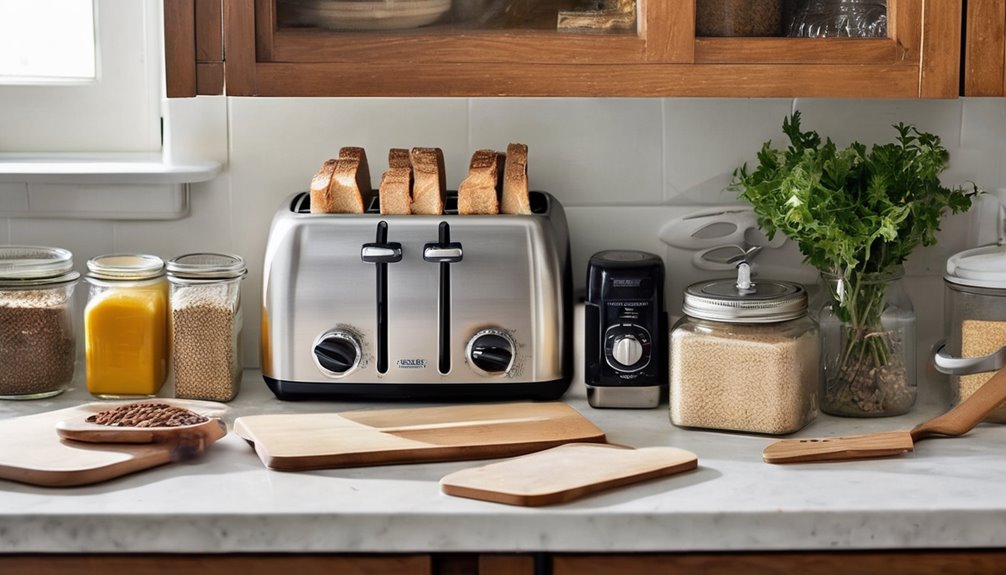
Shop smart for budget kitchen gear by prioritizing multifunctional tools, sticking to a clear list, and choosing durable basics. You’ll save money and time by selecting items that serve several tasks, so your drawer stays tidy and your budget stays reliable. Focus on quality over quantity, and avoid trendy clutter that won’t endure daily use. Build a simple kit with core, reliable pieces you can trust. Regularly compare prices and read reviews to ensure you’re selecting options with proven durability and performance quality assurance.
Energy-Smart Habits to Cut Kitchen Costs
You can keep the smart gear you already picked working for you by tackling energy use in the kitchen. First, pick energy saving hacks that fit your routine: run full loads, keep lids on pots, and use microwaves for small meals. Preheat only when essential, then turn off early with residual heat benefits. Use smart plugs and timers to avoid standby waste, and group tasks to minimize trips to the fridge or oven. Optimize temperatures: fridge at 37–40°F, freezer at 0°F. Batch cook and freeze portions to reduce daily oven use. Thrift store finds like sturdy slow cookers or insulated bags can cut stovetop time without extra cost. Small, consistent tweaks add up, keeping you connected to a thrift-minded, kitchen-savvy circle. energy saving hacks, thrift store finds. Energy management can further improve overall efficiency by guiding how you schedule and perform kitchen tasks.
Care and Longevity for Budget Kitchen Gear
Caring for budget gear means simple, daily habits that prevent wear and extend life: hand wash or gentle-cycle cleanability, proper storage, and avoiding the temptation to overheat or overload. You’ll maximize care longevity and budget maintenance by sticking to basic routines that fit any budget.
- Gentle cleaning routines that match material type
- Thoughtful storage to prevent warping, dents, or fading
- Smart usage limits to avoid strain and premature failure
With consistent, practical care, you strengthen value and sense of belonging to a thoughtful kitchen community. Small acts compound: alignment with manufacturer guidance, regular inspection, and prompt minor fixes. Your gear stays reliable, affordable, and ready. Budget-smart choices empower you to cook confidently while keeping gear in steady circulation rather than disposal.
Frequently Asked Questions
How Do I Start Budgeting for Kitchen Gear Without Overspending?
You can start budgeting for kitchen gear by setting a clear limit and sticking to it, even if you think more is better. Don’t fear missing out—prioritize essentials first. Use budget planning to define a cap, then practice gear prioritization: list must-haves, nice-to-haves, and savings goals. Track every purchase, compare prices, and wait for deals. Belonging comes from sharing tips with friends and learning together, not from impulse buys.
What Are the Hidden Costs of Budget Cookware Sets?
Hidden costs of budget cookware sets include hidden fees, jarred by shipping, handling, and unavoidable accessories you didn’t count on. You’ll notice warranty limits bite you when parts fail after the year, or when replacements aren’t covered for wear. To stay practical, compare total price, read fine print, and ask about repair options. If you notice hidden fees early, you’ll feel you belong in smarter shopping rather than chasing cheap, low-value gear.
Which Budget Upgrades Deliver the Best Long-Term Value?
Upgrade with budget-friendly durability and value-focused upgrades that genuinely last. You’ll gain long-term savings by choosing solid pans, reliable lids, and sturdy utensils that resist warping and chipping. Think nonstick that’s easy to renew, and metals that heat evenly. You’ll notice the difference in daily cooking, not just the receipt. Your gear becomes part of your kitchen story, inviting belonging. Practical, concise, and budget-conscious—you deserve cookware you actually trust.
How Can I Test Gear Before Buying on a Budget?
Yes—you can test gear before buying on a budget by using testing gear locally and rent to try programs. You’ll compare performance hands-on, save money, and keep options flexible. Look for local maker spaces, community kitchens, or retailers offering demo gear. Join rent to try programs, ask about return windows, and document your results. Stay practical: test setup, durability, and fit, share reviews with friends, and choose confidently without overcommitting your funds.
What Maintenance Saves Most Budget Cookware Long-Term?
Did you know that 60% of cookware failures come from poor maintenance rather than bad quality? You can cut that risk with simple routines: dry promptly after use, store with care, and re-season cast iron occasionally. These maintenance habits drive long term savings by preventing warping and sticking, reducing replacements. Practically, clean, dry, and lightly oil your pans, skip abrasive cleaners, and inspect lids and handles monthly. You’ll feel supported, thrifty, and part of a savvy community.