If you want budget-friendly energy-saving kitchen gear, start by prioritizing energy efficiency, not just price. Look for ENERGY STAR-rated models, but weigh real-world performance, repairs, and warranties. Separate must-haves from nice-to-haves and include delivery, installation, and warranty in your total cost. Focus on efficient refrigeration, precise cooking controls, and smart features that cut standby and use. Plan batch cooking, use residual heat, and run full loads. Stay on top of rebates and deals, and you’ll maximize payback as you upgrade. You’ll uncover practical, cost-aware choices that cut your energy footprint.
Key Takeaways
- Prioritize ENERGY STAR appliances with solid long-term payback, focusing on insulation, smart controls, and variable-speed components.
- Separate must-haves from nice-to-haves to guide cohesive, budget-conscious purchases and total cost including installation and warranty.
- Leverage timing: seasonal sales, rebates, and model-year changes to maximize discounts and stack eligible incentives.
- Upgrade smartly: add energy-monitoring plugs, optimize daily routines, and batch-cook to cut standby and peak-time usage.
- Optimize refrigeration and cooking: choose well-sealed refrigerators, efficient ovens, and full-load dishwashers to reduce energy waste.
Why Energy-Efficient Kitchen Gear Pays Off

Energy-efficient gear cuts monthly bills and shortens cooking times, making a tangible difference in your grocery budget. When you choose energy-saving appliances, unlock lower utility costs and steadier monthly expenses, which helps you plan meals without unexpected spikes. You’ll notice faster preheats, consistent temperatures, and fewer retries like reheating or replacing ruined ingredients. Over a year, small efficiency gains compound into meaningful savings, making gear feel budget friendly rather than optional. This isn’t just about price tags; it’s about value, reliability, and belonging to a community that cares for resources. Prioritize certified energy-saving features, reputable warranties, and sensible sizing to maximize impact. Your choices reinforce smarter habits, reduce waste, and keep your kitchen aligned with practical, measurable outcomes. A key consideration is choosing appliances with high torque and durable construction to sustain performance under heavy use increased torque durability.
Set Your Kitchen Budget: Practical Price Ranges for Core Appliances
Budgeting for core appliances starts with realistic price bands based on what you actually get. You’ll map out a practical plan by separating must-haves from nice-to-haves, then align each item to a sensible price range. For budget planning, expect major appliances like refrigerators, ranges, and dishwashers to sit in mid-to-upper price bands, with entry models dipping into the affordable tier if you can’t stretch. Small- to mid-size essentials—microwaves, air fryers, or compact ovens—tend to fall in lower-to-mid ranges, depending on capacity and features. When you compare, factor delivery, installation, and warranty into the cost. A 50,000 lift-cycle durability claim from a standing desk model reminds you to weigh long-term reliability as part of total cost of ownership durability. Use price ranges as guardrails, not rigid rules, so you feel confident and included in the decision. You’ll save time, avoid impulse buys, and build a cohesive, energy-conscious toolkit.
ENERGY STAR: What It Means, and Where It Falls Short
Ever wonder how much you can trust the ENERGY STAR label when shopping for kitchen gear? Here’s the straightforward truth: ENERGY STAR signals efficiency, but it isn’t a perfect proxy for performance in every use case. You’ll find solid, data-backed savings on many certified models, yet variability exists in real-world results. Energy star pitfalls include products that barely meet the threshold or rely on gimmicks rather than meaningful improvements, and labels can be stretched during testing. Certification nuances matter: test conditions, updated criteria, and product category gaps can affect relevance to your daily routines. You deserve clear, consistent guidance, not hype. When evaluating options, compare actual energy use, not just the badge, and prioritize reliability, user feedback, and long-term cost impact. 50,000 lift-cycle durability considerations from related product reviews can inform expectations about long-term performance and reliability in your kitchen gear investments.
Efficient Alternatives by Category: Refrigeration, Cooking, and Small Appliances
When you’re choosing refrigeration and small appliances, look for energy-efficient options that balance upfront cost with long-term savings, focusing on features like better insulation, variable-speed components, and smart controls. For cooking, lean into smart appliances and precise heat management that reduce energy use without sacrificing performance. This while toward Efficient Refrigeration Choices and Smart Cooking Appliances can cut standby and active-use energy while staying practical for real-world kitchens. In high-capacity immersion circulators with IPX7/IPX8 waterproofing and 3D 360° circulation, select models with quiet operation and real-time performance displays to minimize energy waste during long cook cycles. Smart controls
Efficient Refrigeration Choices
Are you maximizing fridge efficiency without sacrificing freshness? You can cut energy use by prioritizing temperature consistency and door-fit, not just size. Start with a modest target: set fresh zones near 37°F and 0–4°C, and keep the freezer at 0°F (-18°C). Use drawers to reduce cold air displacement, and organize so doors open minimally. Look for energy guides and a high Energy Star rating, plus a flat, well-sealed door gasket. Optimize performance with evenly spaced shelves and proper airflow; avoid overpacking. For retrofit ideas, add a smart thermostat or adaptive defrost if your model supports it. If you’re drawing parallels to a paper mill or wind tunnel, you’re balancing efficiency and throughput with precision. Precision, reliability, belonging: that’s efficient refrigeration. In many models, a durable stainless steel exterior can contribute to easier maintenance and longevity over time, aligning with long‑term cost savings and consistent performance. Energy guides
Smart Cooking Appliances
Smart Cooking Appliances streamline efficiency by pairing automation with precise controls, letting you save energy without sacrificing results. You’ll notice how smart ovens optimize bake and broil cycles, reducing preheat times and heat loss while delivering consistent outcomes. In the category of small appliances, evidence shows standby power is minimized when devices enter sleep modes after short idle periods, cutting energy use without compromising readiness. Quiet dishwashers contribute to a calmer kitchen, using targeted water jets and accurate sensors to complete cycles efficiently, which translates to lower bills and less noise at home. For households seeking energy saving, these tools fit a belonging-minded approach: reliable performance, clear status updates, and measurable reductions in daily energy footprints. Ergonomic
How to Use Your Gear to Cut Energy Daily
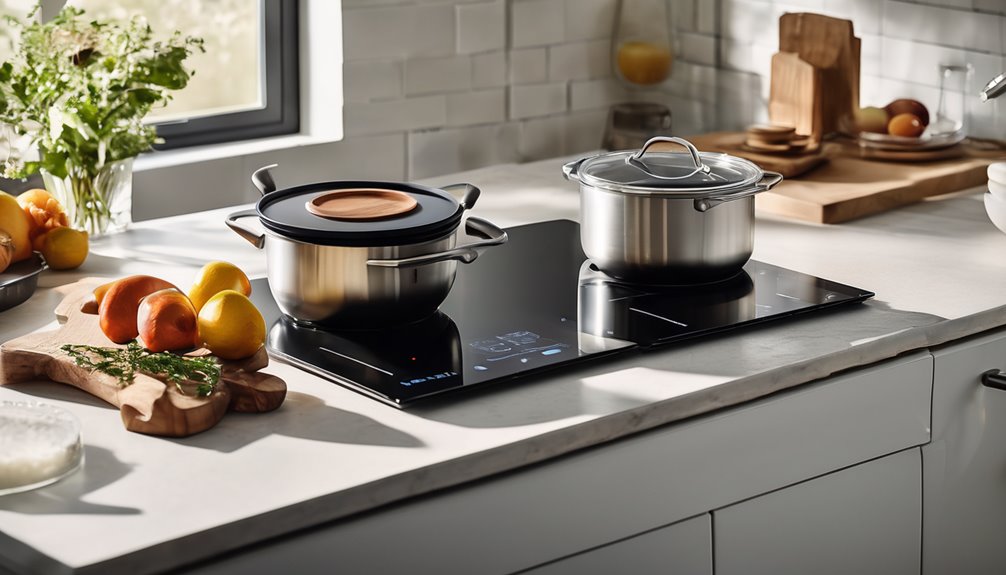
If you want to cut daily energy use, start by using your kitchen gear more efficiently: plan meals to maximize batch cooking, choose efficient modes on appliances, and avoid preheating longer than necessary. You’ll save energy by sticking to accurate oven temps, using residual heat, and embracing pressure cookers when suitable. Run dishwashers only with full loads, and let towels air-dry when possible. Regular gear maintenance—clean filters, seal gaskets, and descale kettles—keeps efficiency high and costs low. Track your results with simple daily checks to reinforce budgeting tricks and healthy habits. Build a routine that feels inclusive and doable: small wins compound and everyone in your home benefits from lower bills, steadier comfort, and a shared sense of purpose. SIAGO Electric Standing Desk with 3 Memory Heights provides a useful reminder that thoughtful design can keep work areas organized and efficient Cable management and memory integrated into daily setups to minimize clutter and improve focus while you monitor energy use at the same time.
When to Buy: Best Times for Deals, Rebates, and Upgrades
Timing matters when upgrading or stocking up: what are the best windows for deals, rebates, and upgrades, and how can you spot real savings? You’ll see the strongest discounts around seasonal sales, three-day weekend promos, and post-holiday restocks. Check manufacturer rebates and utility programs scheduled quarterly; sign up for alerts to catch limited-time codes. Align major purchases with model year changes when firmware or efficiency tweaks appear. Stackable rebates exist, but read terms to avoid exclusions. For quick insulation gains, target door and window seals before upgrading appliances. Integrate smart plugs to gauge energy shifts and justify upgrades later. Stay data-driven: compare unit economics, energy ratings, and payback periods to ensure every purchase strengthens your kitchen community. Breathable mesh benefits can improve long-term comfort and reduce fatigue during extended use.
Simple Upgrades That Boost Savings Without Replacing Everything
You can start saving by upgrading what you already own, like improving dryer scheduling or adding a smart strip to cut standby power. Small, intentional changes—paired with targeted gear investments—often yield quicker payback than full replacements. The content in the GABRYLLY Ergonomic Office Chair with Headrest and Tilt collection highlights how precise ergonomic adjustments and space-saving designs can reduce physical strain and improve efficiency, which complements energy-saving habits by helping you stay productive with less fatigue. Let’s review how optimizing daily practices, upgrading existing appliances, and picking a few smart upgrades can stack up to meaningful energy cuts.
Upgrade Existing Appliances
Upgrading existing appliances can deliver noticeable savings without a full replacement. Simple fixes and smart tweaks keep costs down while boosting performance. Start by evaluating efficiency ratings and annual operating costs; small changes can yield meaningful gains. Replace or retrofit poorly performing parts only if the payoff is clear. Consider high-efficiency, ENERGY STAR-compatible components, and ensure proper installation to avoid wasted electricity. When you upgrade, focus on core contributors: refrigerators and freezers with good insulation, ovens with solid seals, and dishwashers with efficient water use. Prioritize upgrade efficiency that reduces runtime and standby draw. Plan for appliance integration so newer models communicate with your smart meter or hub, enabling accurate monitoring. This practical approach helps you belong to a community of budget-conscious optimizers. Height range
Optimize Daily Practices
Ever wonder how small daily changes add up to real savings? You’ll see real results by tweaking routines rather than buying more gear. Start with simple shift that respect budgets, warranties, and smart planning.
- Track energy use of your stove, fridge, and microwave for a week to spot hotspots
- Use lids, batch cook, and defrost in advance to reduce heat waste
- Align appliance use with off-peak rates when possible
- Clean coils and filters to keep efficiency high, guarding appliance warranties
- Revisit budgeting myths that overemphasize new purchases over smarter habits
Targeted Gear Investments
Smart, targeted gear upgrades can deliver meaningful savings without a full overhaul. You don’t need to swap everything at once—identify high-use tools and optimize them for efficiency, then layer cost-effective changes. Small gains add up: better-sealing lids, programmable thermostats on fridges, and energy-rated kettles reduce waste without gutting your routines. Be mindful of budgeting pitfalls: prioritize items with verifiable payback and avoid impulse buys that won’t justify themselves. When you consider upgrades, check appliance warranties and compatibility to protect the investment. A few focused changes keep you rooted in your routine while expanding your sense of belonging to a smarter kitchen community.
| Tool Focus | Expected Benefit |
|---|---|
| Sealed lids and lids with vents | Lower boil times, reduce energy use |
| Programmable controls | Minimize standby energy |
Real-World Budget Comparisons and Resources You Can Trust
What do real-world prices and trusted sources tell us about affordable kitchen energy savers? You’ll find solid value in practical picks with transparent specs, verified reviews, and clear energy estimates. Compare cost-per-use, not just sticker price, and watch for hidden fees like delivery or warranties. Budgeting myths say you must splurge for efficiency; energy myths claim bigger is better. In truth, steady, well-researched purchases beat impulse buys every time. Use trusted resources: consumer reports, independent labs, and retailer-backed energy guides. Track three metrics: upfront cost, annual savings, and payoff period. Choose appliances with labeled energy efficiency, reliable performance, and easy maintenance. Your community-verified choices save money and reduce waste.
Trusted reviews, transparent specs, clear energy labels, and real payoff timelines for kitchen energy savers.
- Trusted reviews and lab tests
- Clear energy labels and specs
- Proven payoff timelines
- Maintenance-friendly designs
- Community recommendations
Frequently Asked Questions
How to Estimate Long-Term Savings From Tiny Appliance Changes?
You can estimate long-term energy savings by comparing current consumption to a tiny appliance’s rated usage, then multiply by hours used per week and years owned. For example, if you replace a 1500W kettle with a 900W model, you’ll save 0.6 kWh per hour and roughly 1,000–1,500 kWh yearly across typical home use. Use this to guide kitchen budgeting and plan practical, data-driven upgrades with lasting, community-approved value. This approach feels life-changing, honestly.
Which Hidden Energy Drains Occur in a Kitchen?
Hidden drains in a kitchen include phantom standby power, fridge compressor cycling, and lights on timers. You also waste energy through inefficient appliance scheduling—running dishwashers or ovens during peak or warm periods, leaving chargers plugged in, or forgetting to use eco modes. Track usage with a simple chart, unplug unused tools, and set schedules to optimize cycles. You belong here when you cut idle power, align routines, and share tips with neighbors.
Do Smart Thermostats Matter for Kitchen Energy Use?
Smart thermostats do matter for kitchen energy use. You’ll often see up to 10–15% savings on home heating and cooling, which compounds with your cooking routines. In practice, smart thermostats learn your kitchen’s occupancy and adjust temps during prep, plate storage, and cleanup. That means less idle heat loss and quicker comfort after late suppers. When you mix energy-aware habits with smart thermostats, you belong to a smarter, more efficient kitchen community.
Can You Simulate a Budget Kitchen Retrofit in 12 Months?
You can simulate a 12‑month budget kitchen retrofit by setting clear milestones, tracking costs, and estimating payback. Start with retrofit budgeting for major upgrades, then layer in tiny appliance savings to stretch funds. You’ll prioritize energy-efficient appliances, smart scheduling, and daylight use. Expect month-by-month milestones, quarterly reviews, and a projected ROI. You’ll feel a sense of belonging as constraints drive smarter choices and measurable progress, reinforcing practical, data-driven decisions you can share with others.
Are There Non-Mondial Grants for Energy-Saving Kitchens?
Yes, there are non Mondial grants for energy saving kitchens. You’ll find regional, national, and NGO programs offering rebates, low-interest loans, or matched funding. You’ll compare eligibility, timelines, and reporting requirements to maximize acceptance. You’ll align projects with energy efficiency standards, retrofit costs, and expected savings. You’ll apply with clear budgets and evidence of impact, join support networks, and share outcomes. You’ll feel included, empowered, and confident in pursuing practical, data-driven grants.