When you compare proven, cost-effective kitchen gear, start with energy labels, real-world power draw, and your daily patterns. You’ll uncover devices that stay efficient in actual use, not just on paper. Look for compact, energy-smart options and plan around sales, refurb offers, and return windows to maximize value. Track weekly energy use and match cycles to your routine to see true savings, not just claims. If you keep exploring, you’ll uncover practical ways to optimize every kitchen choice.
Key Takeaways
- Compare devices by real-world power draw and energy labels, not just peak specs, to estimate true operating costs.
- Prioritize compact, energy-efficient options (e.g., small fridge, efficient microwave, portable induction) for better long-term savings.
- Align gear choices with daily routines; test cycles, recovery times, and weekly energy use to gauge practicality.
- Plan purchases around sales, refurb options, and return windows to maximize value and minimize waste.
- Use a simple break-even calculator considering upfront cost, warranty, and energy savings for long-term planning.
How to Choose Energy-Efficient Kitchen Gear on Any Budget
Looking to cut costs without sacrificing performance? You’ll learn to spot energy-efficient gear without breaking the bank. Start with energy labels as your guide, not a marketing phrase. Compare models by real-world load draw and runtime, not just advertised maxs. Consider your typical cooking tasks and match them to appliances that excel in those areas, avoiding oversized options that waste resources. Prioritize programmable timers, auto-off features, and standby power reductions to keep ongoing costs low. Check build quality and repairability—longer lifespans trial-tested by users mean fewer replacements and less waste. Read reviews that mention heat management and insulation, which directly affect energy use. With curiosity and rigor, you’ll pick tools that fit your budget, feel like belonging in a thoughtful kitchen, and perform efficiently. Energy labels matter; load draw matters more.
Key Criteria for Savings: Energy Labels, Power Draw, and Usage
Energy labels help you compare efficiency at a glance, so you can see which gear saves on long-term energy costs. We’ll quantify power draw and map it to real use, so you understand what those numbers mean for your bills. Finally, your actual usage patterns determine the bottom-line impact, turning labels and watts into practical savings. High-Torque Leader
Energy Label Significance
Do energy labels really matter when you’re choosing kitchen gear, or are they just marketing fluff? You’ll notice they’re more than slogans once you compare real-world use. Energy labels translate complex specs into a common language you can trust, helping you forecast monthly costs and environmental impact without digging through manuals. They signal efficiency, reliability, and potential performance trade-offs, so you can balance features with long-term savings. Pair that with awareness of power draw, and you gain a practical framework for evaluating value rather than chasing novelty. This isn’t about shaming high-tech quirks; it’s about informed belonging—choosing gear that harmonizes with your budget and values. Focus on credible labels, transparent test methods, and consistent ratings to guide confident decisions.
Power Draw Metrics
Power draw matters due to small differences adding up over time, and you’ll notice them in your electric bill and in your appliance’s reliability. You’ll learn how the number on energy labels reflects typical consumption, not just peak performance. Focus on power draw as a practical, apples-to-apples measure when comparing gear, so you’re not misled by flashy features alone. Look for steady, low draw during standby and active use, and consider how control systems optimize itself without sacrificing results. Energy labels help you gauge long‑term costs, maintenance, and compatibility with your home’s circuits. Informed choices here build belonging through shared standards and transparent metrics, guiding you toward durable, efficient picks that fit your kitchen rhythm and budget. Energy-labels
Usage Patterns Impact
You’ve seen how the number on the label hints at long‑term costs; now, it’s all about how you actually use the gear. Usage patterns drive real savings, not just specs. Think through meal routines, timing, and batch prep—these choices power energy use more than you expect. A compact appliance with a modest power draw can outperform a larger model if you use it efficiently. Read manuals to optimize cycles, set sensible temperatures, and avoid peak‑hour operation when possible. Track how often you run devices, and cluster tasks to minimize idle time. These small tweaks produce clear cost implications, especially when you compare total energy consumption across your week. Smart habits reduce waste, nurture belonging, and keep performance align with value energy efficiency goals.
Best Budget Energy-Saving Appliances: Picks and Why They Matter
Are budget-friendly energy-saving appliances really worth it, or are you just paying for features you won’t use? You’ll see that smart picks balance price, performance, and real energy savings while still feeling like a smart, belonging choice. The goal is practical value you can stand behind. For taller or heavier users who value long-term comfort and durability, a model with robust construction and reliable support can translate to lower total cost of ownership over time. Energy efficiency standards and dependable warranties also help ensure enduring performance in everyday kitchen use. Here are top budget options that deliver consistent results without breaking the bank, plus quick reasoning you can trust. The goal is practical value you can stand behind.
| Item | Why it matters |
|---|---|
| Compact refrigerator | Low energy draw, fits small kitchens; reliable temp control |
| Energy-efficient microwave | Quick meals, lower standby power |
| A labeled energy-saving dishwasher | Good cycles, water savings |
| Portable induction burner | Efficient heating, precise control |
Compare Like-for-Like: Real-World Efficiency vs. Specs
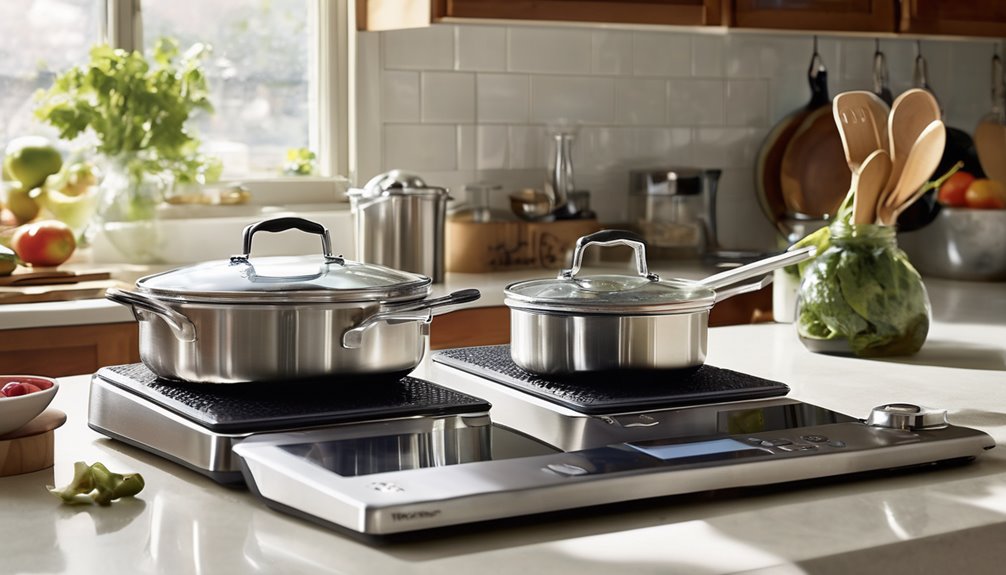
When you’re comparing gear, real-world efficiency often tells a different story than specs alone, and that gap matters. In this compare-like-for-like, you’ll focus on how devices perform under real use, not just marketing numbers. Real world efficiency emerges through practical testing that mirrors your daily routines, so you can trust what you’ll actually experience. A careful specs comparison helps you spot trade-offs, but it doesn’t capture temperatures, load, or timing, where efficiency varies. Track energy use, cycle counts, and recovery times, then map results to your kitchen workflow. This matters for belonging too: you’re choosing gear that fits your habits, not just a chart. So assess efficiency vs. claims against tangible outcomes, and let practical testing guide your confident selection. Real-world testing provides the bridge between advertised performance and everyday results.
Upfront Cost vs. Long-Term Savings: A Simple Calculator
Thinking about upfront cost without weighing long-term savings is a common trap, but when you run the numbers, the real story becomes clear: a higher upfront price can pay off through energy efficiency, durability, and lower maintenance. The simple calculator helps you see break-even points and true value, not just sticker shock. Consider energy bills, warranty length, and part availability—these shape long term savings, often more than flashy features. You’re looking for gear that fits your kitchen routine and your budget, creating a sense of belonging through smart choices. With clarity, curiosity, and practical math, you’ll choose investments that honor both upfront cost and long term savings. Cross-platform compatibility should also factor into your decision, since reliable, long-lasting components reduce replacement frequency and support steady performance over time.
Smart Buying and Setup: Timing, Deals, and Practical Upgrades
Need the right gear at the right price? Smart buying starts with timing, deals, and practical upgrades that boost energy efficiency and appliance longevity. Do you plan around sales cycles, refurbs, and return windows to maximize value without waste? Consider aligning chair- and equipment-related ergonomics insights with compact, petite-friendly design for a balanced setup that supports long use. petite fit
Frequently Asked Questions
How Do I Measure Real Energy Use at Home for a Single Appliance?
To measure energy use for a home appliance, use a plug-in energy meter or the appliance’s built‑in monitor, then log kilowatt-hours over a full cycle. You’ll learn precisely how much you’re consuming. Compare your results to the label’s estimates. Look for discount rebates, tax incentives, and utility programs to offset costs. This practical, curious approach helps you belong to a community chasing efficiency while you measure energy use for a single home appliance.
Which Kitchen Gadget Wastes Energy Most After Purchase?
The microwave wastes energy most after purchase, especially if you leave it running or heat small portions repeatedly. You’ll see energy waste add up, so choosingappropriately sized models and efficient standby modes matters. Consider purchase impact: unplug when not in use, use sensor settings, and prioritize devices with energy labels. By staying curious and practical, you join a community that values mindful use, reducing unnecessary consumption while keeping your kitchen belonging and efficient.
Do Warranties Affect Long-Term Savings on Energy-Efficient Gear?
Warranties can boost long-term energy-saving value, but the effect hinges on coverage longevity and device reliability. You’ll see energy savings timing extend when trusted gear lasts, thanks to fewer replacements and optimized usage. Warranty longevity matters: longer terms reduce upkeep stress and ensure returns or repairs kick in before efficiency declines. In practice, you’ll feel more secure, belong to a community that prioritizes steady performance and practical, measurable energy wins.
Can Energy-Efficient Gear Improve Cooking Quality as a Trade-Off?
Yes, energy-efficient gear can improve cooking quality, not just save energy. You’ll notice steadier temperatures, even heat, and better control, which lets you perfect dishes you love. Also efficiency matters, you’ll (but) you’ll also appreciate reliable performance, fewer preheat surprises, and consistent results. Energy efficiency isn’t a trade-off with quality—it supports it. If you value belonging to a thoughtful community, you’ll value gear that proves both practical and precise, helping your cooking shine without wasting resources.
What Tax Incentives or Rebates Apply to Kitchen Appliance Upgrades?
Obviously, tax incentives and appliance rebates can lower your upgrade costs. For example, you replace an old fridge and save on a federal energy tax credit as your state offers a utility rebate. You’ll feel smarter and more connected when neighbors notice your energy drop and you share the recommendation. Tax incentives, appliance rebates can stack, so you’ll want to verify eligibility, timelines, and accuracy with your local or federal programs.