Prioritize budget-smart upgrades by identifying your top five energy wasters first, then target them with low-cost fixes and smart recycling of funds. Track fixtures, lighting, appliances, water use, and insulation gaps to ground choices in data, and map savings to payback periods. Adopt efficient usage habits, like batching cook time and using lids. Choose budget-friendly, high-efficiency appliances with energy-saving features. Run a quick monthly kitchen audit to spot trends and unlock even bigger savings as you move forward. You’ll learn more if you keep going.
Key Takeaways
- Identify top 5 energy wasters in the kitchen using a quick audit, then target cost-effective fixes with clear payback estimates.
- Upgrade to budget-friendly appliances with high efficiency, prioritizing compact models and energy stars to reduce operating costs.
- Adopt efficient usage habits like batch cooking, sealing lids, and using residual heat to cut oven and stove loads.
- Implement smart power strips and unplug idle devices to eliminate phantom loads and lower standby electricity use.
- Establish a monthly 5-minute energy audit routine to track, compare months, and celebrate incremental improvements.
How to Prioritize Budget-Smart Energy Upgrades: A Step-by-Step Framework
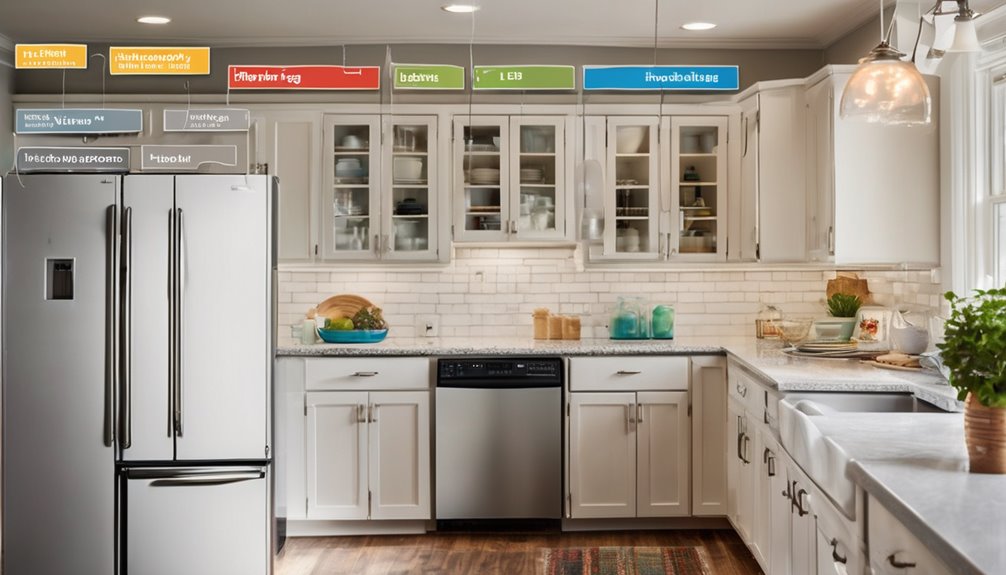
To prioritize budget-smart energy upgrades, start with a simple, data-driven checklist: estimate current energy use, identify the top offenders, and map potential savings to payback period. You’ll center decisions on concrete numbers, not guesswork, so your plan feels doable and inclusive. Consider budget aging as a signal: older appliances tend to waste more energy, so upgrading those first yields faster returns. Include appliance recycling when appropriate—retire obsolete models responsibly and reallocate funds to efficient units. Compare energy-use labels, running costs, and estimated payback across candidates. Create a short, action-ready roadmap with milestones, so you can track progress and stay motivated. This approach fosters belonging: shared goals, transparent criteria, and practical steps everyone can rally around. Energy labels help quantify efficiency differences and guide prioritization.
Identify Your Top 5 Energy Wasters and Fix Them on a Budget
Identify your top five energy wasters first, then fix them on a tight budget. You’ll pinpoint where savings matter most and lock in budget friendly fixes that fit your kitchen routine. Track your fixtures, lighting, appliances, water use, and insulation gaps, then act on the clear, data-backed priorities. With a community mindset, you’ll feel empowered by progress you can see and share. The plan aligns with practical considerations like assembly time and easy-to-implement upgrades that won’t disrupt daily use. Table below offers a quick visual of ideas.


Adopt Usage Habits That Maximize Home Energy Efficiency

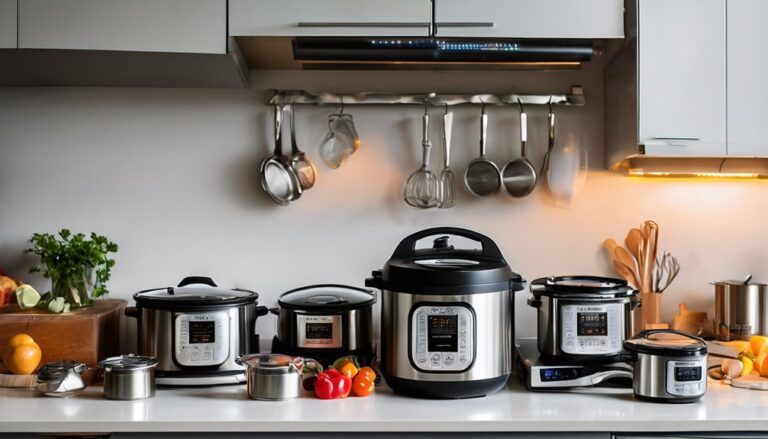
Ever wonder how small daily choices add up to big energy savings? You can build efficient habits that reduce your kitchen’s load and costs. Start by timing heatups and cook in batches to minimize oven usage, then reuse residual heat for subsequent dishes. Use lids on pots to cut simmer time and conserve energy; a simple switch to the right pan size prevents wasted heat. When you’re not using appliances, unplug or enable smart-power strips to prevent phantom loads. Keep your fridge and freezer at recommended settings to avoid overcooling, and let leftovers cool before refrigerating. Adopt efficient habits like planning meals, sharing tips with housemates, and tracking monthly usage. This budget minded usage supports a more sustainable, belonging-focused home. Efficient habits matter.
Choose Budget-Friendly Appliances That Cut Your Bills
Smart spending starts with choosing appliances that deliver more energy per dollar. You’ll maximize value by targeting units with high efficiency ratings and practical energy saving features, tailored to real kitchen use. Look for modest upfront costs paired with strong reliability and lower operating expenses over time. Prioritize dishwashers, refrigerators, and ovens that show energy star or equivalent metrics, plus smart or programmable modes that reduce standby draw. Seek models with LED lighting, efficient compressors, accurate temperature controls, and adaptive cooling. Budget friendly appliances that fit your space can still deliver measurable bill cuts. In addition, selecting compact, energy-efficient sous vide solutions with built-in controls can help reduce both energy use and countertop clutter, especially when you cook in batches energy efficiency to extend kitchen savings.
Run a Quick Kitchen Energy Audit and Make It a Monthly Habit
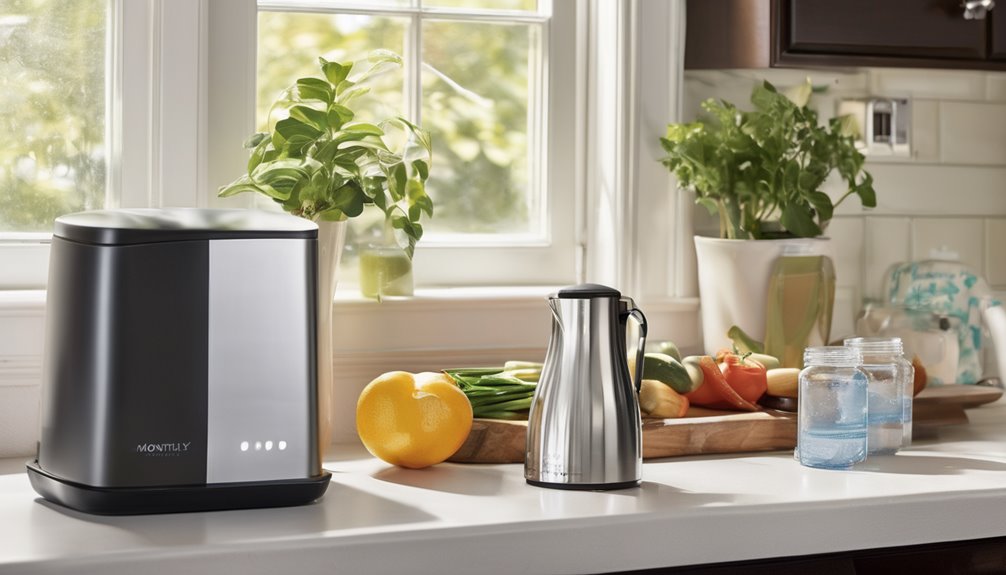
Running a quick kitchen energy audit is easier than you might think—and it can become a painless monthly habit. You’ll start with a 5-minute scan: check lights, unplug idle gadgets, and note fridge seals and oven preheats. Record electricity and gas use in a simple sheet to establish your baseline. Track standout offenders, like high-standby electronics or underinsulated bins, and quantify potential savings. Build an energy audit cadence by scheduling the same day each month, then review trends against last month’s numbers. Use clear metrics, not guesses, and celebrate small wins to reinforce belonging and progress. Implement tweaks in order of impact: lighting, cooling, and appliances. With monthly tracking, you’ll see where to tighten habits and trim costs without sacrificing comfort. Reclaiming posture
Frequently Asked Questions
How Long to See Savings From Kitchen Upgrades?
You’ll start seeing savings in as little as a few days to weeks, depending on the upgrade and usage. Two word discussion ideas: “time savings.” Irony aside, the data shows annual energy reductions compound, hip to your budget and your routines. You’ll compare monthly bills, notice faster ROI, and feel you belong with smarter kitchens. If you invest in LEDs, smart thermostats, or efficient appliances, you’ll track payback clearly and stay motivated.
Are DIY Fixes as Effective as Professional Audits?
DIY fixes aren’t as thorough as professional audits, but they can yield solid gains when you target airtightness, insulation, and efficient devices. With DIY audits, you’ll often spot obvious leaks and bottlenecks quickly; professional efficiency audits, however, bring data-driven diagnostic tools and calibrated recommendations. If you combine both, you’ll maximize savings and feel a stronger sense of belonging in a community focused on smart, measurable improvements.
Do Smart Thermostats Matter for Small Kitchens?
Smart thermostats do matter for small kitchens. They optimize heating and cooling around your real needs, improving kitchen efficiency without wasting energy. Think of a single smart device as a neighborhood watch—you tighten comfort where you live and save on bills elsewhere. In data terms, you can shave monthly costs by matching temps with occupancy and cooking schedules. You’ll feel included in a smarter, energy-conscious community while staying comfortable.
Which Cheap Upgrades Yield the Fastest Payback?
You’ll get the fastest payback from small, cheap energy upgrades like LED lighting, aerator faucets, and sealant on doors and windows. These deliver noticeable savings quickly, especially when you target leaks and standby power. Add a smart timer for outlets to curb phantom loads. Overall, these energy upgrades offer quick payback, minimal disruption, and a shared sense of progress that helps you feel at home with every savings milestone.
Can Energy-Saving Tips Affect Cooking Times?
Energy-saving tips can affect cooking times slightly, but mainly by reducing energy consumption rather than altering recipe durations. You’ll notice shorter preheat and steady-state usage when you optimize for appliance efficiency, smarter temps, and proper cookware. This matters for energy consumption and overall kitchen costs, not taste. You’ll feel confident joining a community that prioritizes efficiency, sharing data on improvements. With better appliance efficiency, you still get reliable results and quicker returns on your investment.