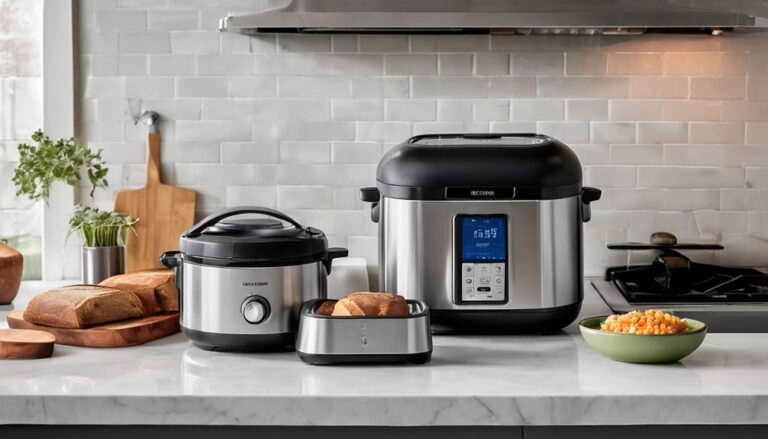
Energy-efficient, compact appliances save renters money by cutting yearly costs, not just upfront price. Look for ENERGY STAR labels and compare estimated running costs, not sticker price alone. Choose models with low watts, inverter compressors, and easy maintenance. For fridges, washers, and stoves, prioritize compact, reliable options with strong warranties and readily available parts. Use smart load patterns and seasonal use to boost savings. If you keep going, you’ll uncover practical picks and timing tips that multiply those savings.
Key Takeaways
- Prioritize ENERGY STAR appliances with low wattage and high efficiency to reduce yearly operating costs.
- Choose compact, well-insulated models with adjustable features to fit rental spaces and daily needs.
- Compare Energy Guides and 5-year running costs, not just upfront price, to gauge long-term savings.
- Opt for reliable brands with accessible replacement parts and simple maintenance for fewer repairs.
- Consider financing or lease options that tie payments to utility savings and spread upfront costs.
How to Choose Budget-Friendly, Energy-Efficient Appliances for Renters
When you’re choosing budget-friendly, energy-efficient appliances as a renter, start with the numbers: look for Energy Star labels, compare annual operating costs, and factor in upfront price. You’ll prefer models with solid efficiency ratings and affordable maintenance, since every dollar matters in a rental. Consider dishwasher placement to minimize water and energy use: install near plumbing, load correctly, and run full loads to maximize savings. For cloth dryer usage, opt for moisture-sensor settings and proper load sizing to avoid over-drying and wasted energy. Compare product families by year, not just sticker claims, and read cycle options that fit real life—quiet modes, delayed starts, and quick washes. Choose reliable brands, verify replacement parts availability, and prioritize consistent performance over flashy features. Belonging grows when choices align with real needs.
ENERGY STAR First: What Running Costs to Expect and How to Compare
ENERGY STAR first: comprehension running costs is essential before you buy. You’ll compare models by annual energy use, not just sticker claims, so you know what to expect over time. Look for the ENERGY STAR label and check the Energy Guide for estimated yearly running costs; small differences add up. Prioritize appliances with low watts and high efficiency ratings, but verify real-world performance with usage patterns you actually have. Consider seasonal needs—some units run more in hot or cold months, shifting costs. Compare similar sizes to avoid paying for excess capacity. Track energy stars in your decision, then align choices with comfort and belonging: practical, data-driven picks that fit your home and budget, not hype. Energy savings become shared value. running costs. Energy Guide tools can help you estimate yearly operating costs across the major appliance types you’re evaluating.
Budget-First Picks for Renters: Fridge, Washer, and Stove That Save Money
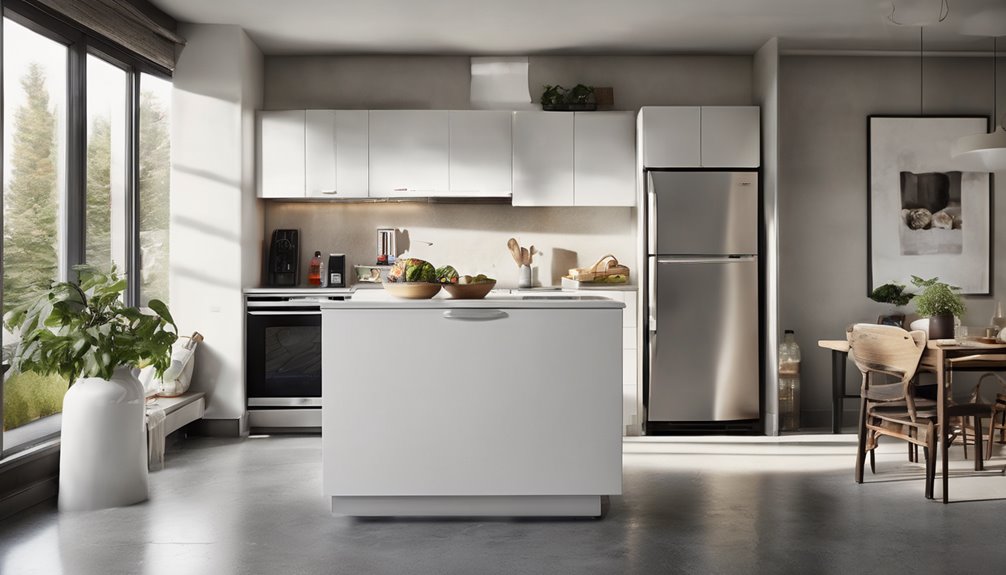
You’ll prioritise budget-friendly fridge options, weighing energy use, upfront cost, and maintenance to keep monthly bills low. Lightweight, affordable washer models can still deliver solid efficiency and reliable performance without overpaying, especially when you compare water and power use per cycle. For stoves, look for low-cost essentials that minimize standby energy and delivery costs while still meeting cooking needs. Electric sugar cane juicers offer a high-throughput option for renters who cook or juice in batches, balancing initial price with long-term juice output and durability 3-roller setup and the importance of a consistent feeding port size.
Budget-Friendly Fridge Picks
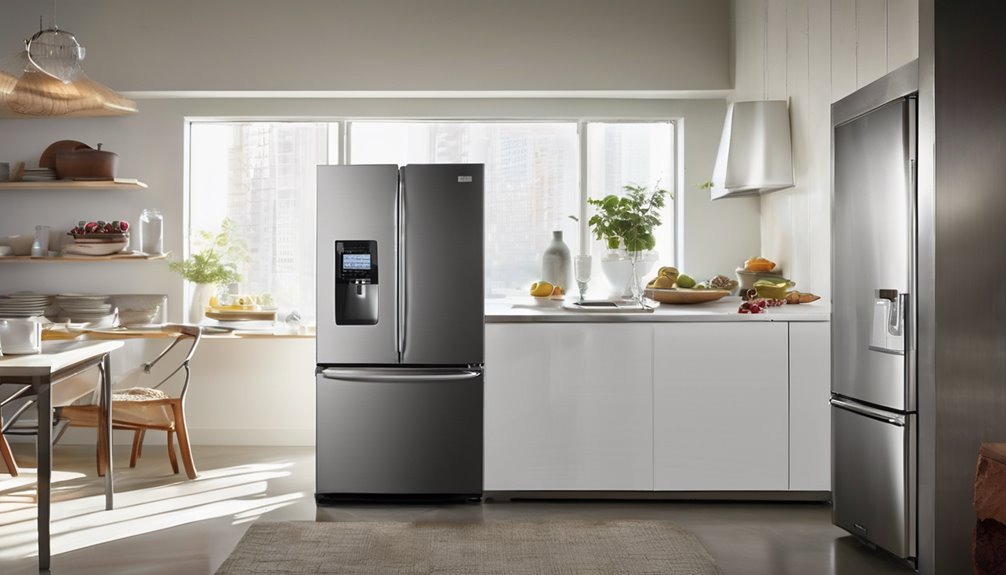
Looking for a fridge that won’t break the bank? You’re aiming for value, reliability, and a model that fits rental realities. Budget-friendly picks prioritize compact footprints, adjustable shelves, and straightforward temperature controls to prevent waste. Energy efficiency matters: look for Energy Star ratings, low annual energy use, and inverter compressors that reduce running costs over time. In this range, expect standard 18–20 cubic feet or smaller apartment models with front or top-freezer layouts, which typically consume less power and cost less upfront. Check door insulation and interior lighting efficiency to avoid phantom draw. Compare annual energy costs, not just sticker price, and favor appliances with easily replaceable parts. With careful selection, you’ll maximize freshness while keeping your monthly bills predictable. Energy efficiency and reliable performance matter more than flashy features, so prioritize models with proven durability and accessible maintenance options.
Affordable Washer Options
Affordable Washer Options: For renters, you want a reliable, compact washing machine that minimizes upfront cost and long-term energy use. In shared laundry spaces, choose compact, top-load or a small front-load model that fits your unit’s hookups and floor plan. Look for water-efficient cycles and a low spin speed to reduce dryer time, saving both water and electricity. Compare capacities that match your weekly load to avoid excess cycles, and favor machines with input-lantern efficiency labels or Energy Star marks when available. Favor units with quick, cold-wash options to minimize energy use. Durable parts and accessible maintenance reduce long-term costs, while a compact size eases relocation between rentals. This approach supports belonging and budget discipline without sacrificing performance. Water efficiency matters in shared laundry routines. Gooseneck Kettle
Low-Cost Stove Essentials
Low-cost stove essentials for renters prioritize reliability, efficiency, and footprint. You’ll want a compact unit with consistent simmering and easy maintenance, plus simple installation that fits your space. Look for energy-efficient models with clear labels for power draw and typical monthly costs to keep surprises away. Budget cookware pairs well with durable, nonstick sets, so you can cover most meals without replacing gear often. Think stove accessories that extend lifespan, like heat Diffusers and protective trivets, which reduce scorching and heat waste. Favor modular options, so you can rearrange or replace parts as needs evolve. Prioritize warranties and local service, since dependable support saves time and money. With these choices, you build a practical, belonging-friendly kitchen you can be proud of, including smart choices like a gooseneck kettle with precise temperature control temperature control to expand healthy, precise brew options without breaking the bank.
Small-Space Wins: Compact Appliances That Slash Bills
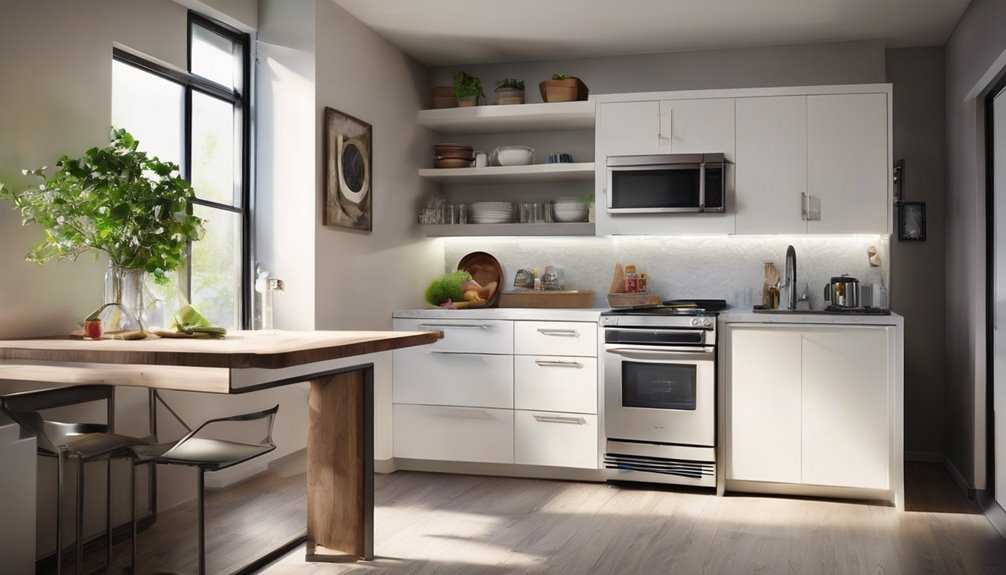
Compact appliances punch above their size by delivering efficient performance without hogging space or energy. In small apartments, you’ll appreciate models that fit tight gaps while delivering measurable bill reductions. A compact fridge or countertop dishwasher often uses significantly less energy per cycle than full-size counterparts, translating to visible monthly savings. Look for Energy Star ratings, variable modes, and well-insulated walls—these trims lower standby and running costs. When you compare options, consider capacity versus what you actually need; oversized units waste energy and space. For tiny homes and shared savings, opt for scalable, modular pieces that synchronize with other compact systems. You gain consistency, easier maintenance, and a cohesive layout, helping you belong in a budget-conscious community that values practical, data-driven choices. Energy Star ratings guide you to efficient performance without sacrificing usable capacity.
When to Invest: Features That Pay Off Over Time in Renters’ Homes
Smart spending pays off when you pick features that save money over time, not just upfront cost. When you decide what to invest in, weigh long-term savings like energy efficiency, reliability, and maintenance needs. Look for appliances with strong warranty coverage and proven durability, since fewer repairs mean steadier monthly bills. Budget tradeoffs matter: you might pay a bit more upfront for an efficient model, but it often lowers energy and water use for years. Vendor considerations include after-sales support, accessible parts, and transparent performance data. In renters’ homes, prioritize features you’ll actually use, avoiding gimmicks. Track usage and compare estimates from credible sources to validate claims. The goal is steady savings, not impulse purchases.
Deals and Timing: Scoring Efficient Appliances Without Sacrificing Quality
Shopping for efficient appliances without sacrificing quality means timing your purchases and weighing deals against performance. You’ll leverage deals timing to lock in efficiency without overspending, and you’ll value scoring efficient options that meet daily needs. The goal is to choose models that balance capacity, speed, and reliability for daily renters’ use Energy efficiency that remains affordable over time.
| Column A | Column B |
|---|---|
| Look for ENERGY STAR and price history | Compare running costs over 5 years |
| Target seasonal promotions | Prioritize features you actually use |
Easy Maintenance Habits to Keep Power Bills Low
To keep energy bills low, adopt simple, repeatable maintenance habits that maximize efficiency. You’ll save money by implementing quick checks that compound over time. Start with “easy maintenance” tasks: replace air filters monthly, clean coils on refrigerators, and run ceiling fans counterclockwise in summer. Schedule a quarterly thermostat review to ensure your settings match occupancy and weather. Keep seals on doors and windows tight; a small draft wastes power and comfort. Light bulbs should be LEDs, and unplug idle electronics to curb phantom loads. Run full loads on laundry and favor cold water cycles. Regularly defrost older freezers and defrost your fridge if you see frost buildup. These routines lower power bills and reinforce a shared commitment to affordable living. Energy savings
Financing Pathways for Energy-Wise Upgrades: Loan, Rent, or Sharing Options
What financing options make energy upgrades attainable without busting your budget? You’ll find practical paths that fit renters’ realities. Loans can cover upfront costs, with repayment tied to utility savings or tenant-landlord agreements, reducing out-of-pocket risk. Rent-based models let upgrades appear as a line item in your lease, spreading costs across your term without ownership detours. Shared-cost approaches, like co-ops or community programs, pool resources for high-efficiency devices and retrofits, driving lower per-person bills. Before you commit, compare total costs, interest, and maintenance, then model energy savings over 3–5 years to gauge payoff. Prioritize transparent terms, clear responsibilities, and documented savings projections. Financing options, when paired with smart energy upgrades, can unlock comfort, reliability, and belonging without overextending you. Energy savings estimates help you evaluate whether the upfront investment is worth it over the expected time horizon.
Frequently Asked Questions
How Can Renters Maximize Savings With Small Energy Improvements?
To maximize savings with small energy improvements, you can start with simple upgrades and habits that cut usage fast. Use energy savings tips like sealing leaks, lowering thermostat setbacks, and switching to LED lighting. You’ll save more when you monitor bills and adjust daily routines. Two word discussion ideas: efficiency wins, bill impact. By tracking results, you’ll feel you belong in a community of mindful renters who care about costs and comfort while boosting energy savings.
Do Appliance Warranties Cover Energy-Efficient Upgrades in Rentals?
Do appliance warranties typically don’t cover energy-efficient upgrades in rentals, and you shouldn’t expect them to. You’ll want to check your lease and warranty terms, because some coverage may apply only to original equipment or defects, not improvements. When pursuing energy-efficient upgrades, document costs and seek landlord approval. If a warranty does cover upgrades, you’ll need to ensure installers and products meet warranty requirements. This matters for your peace of mind and long-term savings.
Can Landlords Provide Subsidies for Energy-Efficient Appliances?
Yes, landlords can offer subsidies for energy-efficient upgrades, though it’s not universal. You might picture a split-cost model where benefits flow to both sides. If you’re negotiating, frame it as a property value and utility savings argument. Landlord subsidies plus incentives can accelerate payback and reduce rent volatility. You gain consistent comfort; they gain market appeal and lower operating costs. Energy efficient upgrades become a shared investment, strengthening your sense of belonging in a smarter, fairer rental.
What Is the Total Cost of Ownership for Budget Models?
The total cost of ownership for budget models depends on purchase price, energy use, maintenance, and lifespan. Generally, budget models have lower upfront costs but higher monthly energy bills, so over five to ten years your ownership costs may converge with midrange options. Track energy ratings, expected usage, and replacement intervals. You’ll save by choosing energy-efficient features, but compare total costs. Budget models can fit belonging, practicality, and data-driven choices for responsible renters.
Are There Rental Programs for Refurbished Energy-Efficient Units?
Yes, you can access rental programs for refurbished energy-efficient units. Many landlords and cooperatives offer refurbished programs that pair lower upfront costs with proven efficiency, helping you save on utilities. Look for certified refurbishments, warranty options, and documented energy performance. If you’re eligible, these units provide reliable comfort and a sense of belonging within a community that prioritizes smart, affordable living. Track energy use, compare programs, and choose options with transparent maintenance plans.