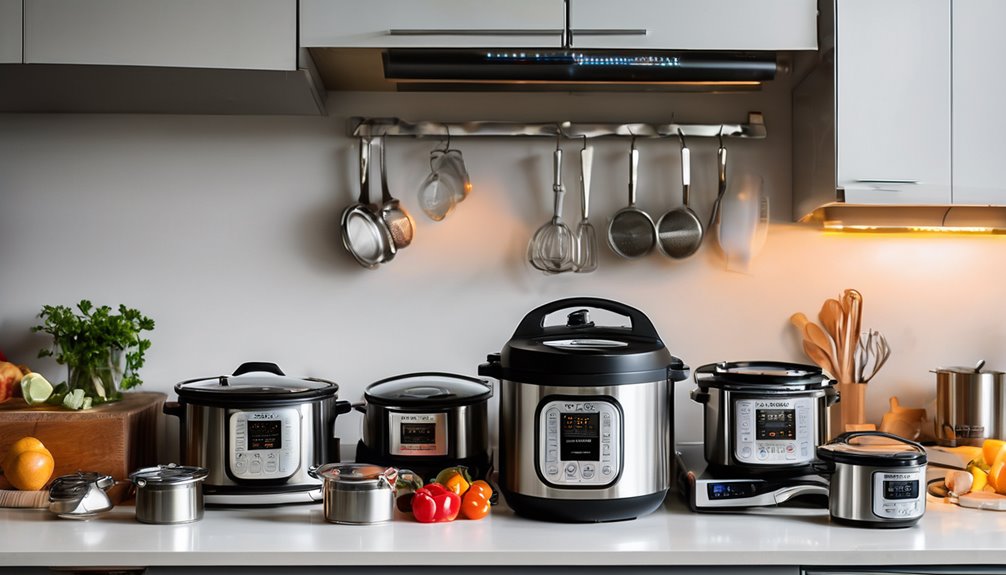
When you’re chasing big savings on a tight budget, start with high-impact, low-cost staples like LED bulbs, smart plugs, and energy-efficient small appliances with solid standby controls. Prioritize Energy Star options for cooktops, ovens, and microwaves, and group tasks to minimize oven cycles. Use a simple plan: inventory, pick one high-usage item, tweak habits, and measure kWh weekly. Track costs and payback to reallocate savings toward longer-term upgrades—and there’s more to optimize beyond this.
Key Takeaways
- Prioritize Energy Star appliances and induction or convection options to cut cooking energy use.
- Use LED lighting and smart plugs to reduce standby and interior lighting waste.
- Choose compact, appropriately sized kitchen gear to avoid idle energy and oversized heat.
- Opt for programmable timers, auto shutoff, and lids to minimize unnecessary energy use.
- Track kWh and costs after upgrades to ensure measurable, ongoing savings.
What “Frugal Energy-Saving” Really Means in the Kitchen
Frugality in the kitchen isn’t about cutting fun or skimping on indispensable; it’s about getting the same results with smarter choices. When you chase frugal optimization, you’re optimizing every step—from prep to cleanup—so energy use drops without sacrificing outcomes. Energy literacy helps you read labels, gauge true energy costs, and select devices that deliver efficiency without complexity. You’ll notice tangible gains in monthly bills and comfort, satisfied by reliable performance. This mindset isn’t alienating; it’s inclusive—sharing tips, tools, and routines that fit your kitchen culture. With data-driven tweaks, you build confidence, belonging, and predictable kitchen results that honor both budget and planet. Energy efficiency can guide you to compare standby consumption across appliances and trim waste.
How to Set a Practical Budget for Energy-Efficient Gear
Setting a practical budget for energy-efficient gear starts with a clear spending target tied to real savings. You’ll map anticipated monthly energy cuts to a concrete price ceiling, then translate that into annualized targets. Start by identifying current energy use in key appliances, then estimate potential efficiency gains from top purchases. Use budget targets to prioritize items with the strongest payback, not just the lowest upfront cost. Schedule purchase timing around promotions, end-of-quarter clearouts, and model year changes to maximize value without delaying results. Track progress with a simple spreadsheet: category, item, cost, expected annual savings, and payback. Revisit targets quarterly, adjusting for actual usage shifts or price changes. This disciplined approach keeps you aligned with belonging to a savvy, energy-conscious community. lift-cycle


Choose High-Impact, Low-Cost Staples for Big Savings
To start saving big without breaking the bank, zero in on high-impact, low-cost staples that deliver real energy cuts. You’ll focus on everyday items with proven bite: efficient LED bulbs, reusable containers, and smart plugs that highlight usage patterns. In practice, pick budgeting gadgets that fit your routine and track savings month over month. Compare energy labels on small appliances to avoid phantom loads and identify true efficiency gaps. This isn’t about hype; it’s about measurable results you can share with your household, creating belonging through shared goals. Pair choices with a simple plan: replace one device at a time, monitor impact, and reinvest savings. Data-driven decisions build confidence, reduce waste, and keep your budget aligned with your energy priorities measurable results.
Energy-Saving Cooktops and Ranges That Fit a Budget
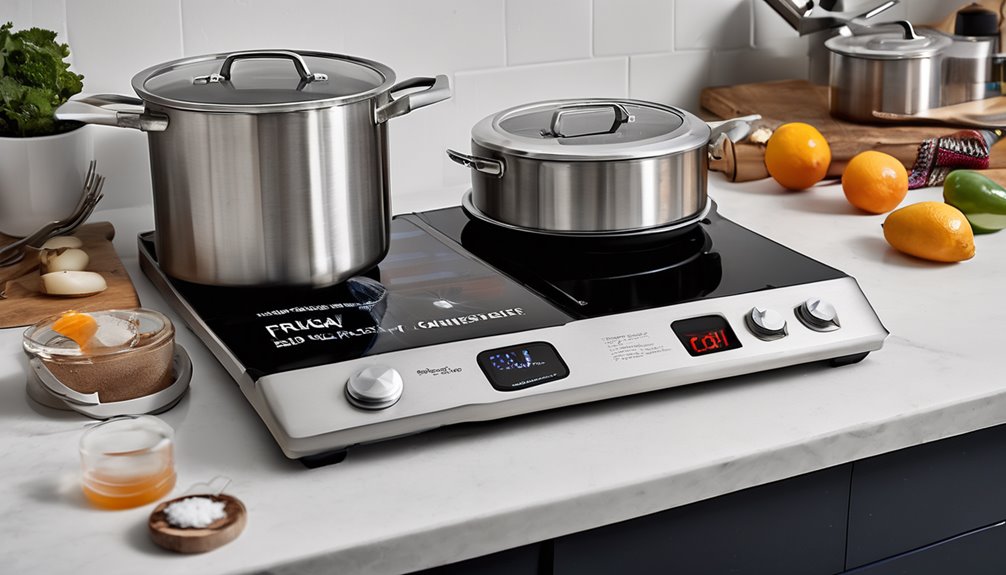
Are you getting the most energy for your money from cooktops and ranges? You can maximize savings by selecting models that deliver efficiency without overspending. Look for stoves and ovens with Energy Star ratings, precise temperature controls, and rapid boil or simmer features that cut idle heat. In practice, compare burner BTU outputs and pan compatibility to minimize wasted energy. Low cost cooktops often rely on radiant coils or smooth tops that heat evenly with modest electricity use, while energy efficient ranges combine convection baking with correctly sized racks to reduce preheat time. Prioritize features like auto shutoff and programmable timers to prevent overcooking. With careful shopping, you’ll find affordable options that sustain comfort, performance, and a tighter monthly bill.
Appliances That Maximize Daily Cooking Without Wasting Energy
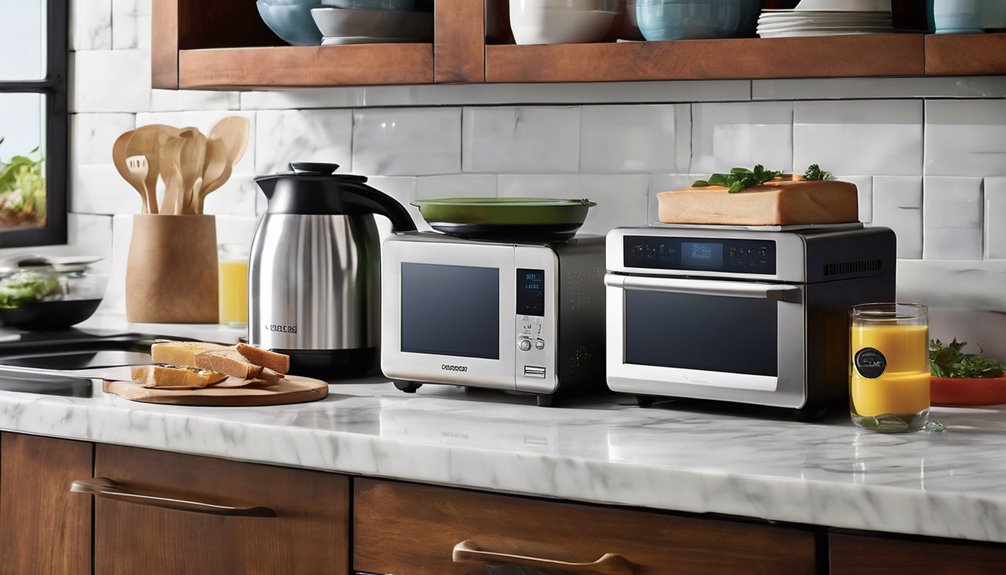
Smart, sensible appliances can shave minutes and watts from daily cooking without sacrificing results. You’ll find that choosing energy-efficient models—like convection ovens, induction cooktops, and microwaves with inverter tech—delivers consistent temps and faster preheats. In practice, pick size-appropriate options to avoid idle energy waste, and look for EU/DOE efficiency ratings or Energy Star labels. When planning routines, group tasks to minimize oven cycles and use lids, pressure settings, and smart timers to prevent overcooking. Maintenance matters too: clean seals, calibrated thermostats, and regular descaling keep performance high and consumption low. For a frugal energy saving approach, compare upfront costs against long-term bill reductions, ensuring each purchase fits your practical budget while supporting reliable daily cooking. Belonging comes from smarter choices that pay back. 304 stainless steel
Smart Habits That Cut Energy Use Day to Day
You can save energy daily by adopting smart routines: practice efficient appliance use, set temperatures thoughtfully, and lean on lighting habits that reduce waste. Small changes, like using appliances only with full loads and enabling energy-saving modes, add up over time. These ideas tie together smart daily practices with practical data, showing how consistent behavior complements the gear you select.
Smart Daily Practices
Small changes in daily habits can add up fast: simple routines like unplugging idle electronics, running full loads, and using lids on pots dramatically cut energy use without sacrificing performance. You’ll notice steady gains when you pace your routines: preheat only when necessary, simmer with a covered pan, and match cookware to burner size. These smart daily practices translate to measurable, consistent frugal energy saving and smoother kitchen budgeting over time. Track patterns—weekend groceries, weekday leftovers, and thermostat adjustments—to identify where minor tweaks yield meaningful results. This approach builds belonging through shared, practical steps: efficient cooking becomes part of your routine, not a chore. Apply data-driven tweaks, maintain momentum, and celebrate incremental savings without sacrificing taste or time. Energy-efficient practices supported by thoughtful equipment design can further reduce consumption while maintaining performance.
Efficient Appliance Use
Efficient appliance use starts with intentional choices that cut energy without sacrificing results. You’ll save by running full loads, using preset cycles, and avoiding peak-usage timing. Power strips help manage standby draw, and appliance myths—like needing hot water or frequent preheats—get debunked with simple habits. Track energy use in a week, then optimize: group tasks, unplug idle devices, and choose energy-star options. A small change in routine compounds into real savings.
Run full loads | Maximizes efficiency per cycle
Use presets | Shortens runtimes without waste
Unplug idle devices | Cuts phantom draw
Leverage power strips | Centralized control, less standby
Verify energy-star | Ensures proven efficiency
Qulomvs Mesh Office Chair with Footrest Headrest Overview and its emphasis on adjustable seat height and 90–135-degree back-angle range helps align with petite frames by enabling lower minimum seat height to fit compact desks, which relates to the broader point about under-desk clearance and fit for small users.
Temperature and Lighting Habits
By applying the energy-conscious habits from efficient appliance use, you can make practical gains in daily temperature control and lighting.
- Track your comfort range: aim for consistent indoor temperatures that minimize HVAC cycles, using programmable settings to support steady temperature habits.
- Optimize lighting timing: use dimmable bulbs and daylighting where possible; turn off unused fixtures to improve lighting efficiency.
- Layer your approach: pair insulation boosts with short, targeted cooling or heating to reduce overall load.
- Audit and adjust: regularly review energy bills and thermostat performance, refining temperature habits and lighting schedules to sustain savings.
- Regularly compare bills and performance metrics to spot patterns and sustain improvements energy tracking and adjustments.
Budget-Friendly Tools to Reduce Standby and Waste
Are your appliances quietly draining energy and money when you’re not watching? You can curb standby loss with low-cost tools that pay for themselves quickly. Start by using smart power strips for entertainment centers and computer desks; these curb phantom loads by cutting power to idle devices. Add a basic timer outlet for coffee makers or kettles to prevent overnight heating. Measure impact with a simple energy meter—watch for reductions in kWh per day and translate that into dollars saved. Look for coupon codes on reputable, energy-focused brands to stretch your budget. For garden-minded households, consider drip irrigation timers to minimize outdoor waste and ensure consistent watering. These practical upgrades foster belonging through shared responsibility and tangible, data-backed savings.
How to Read Energy Labels Without Getting Overwhelmed
Reading energy labels doesn’t have to be overwhelming; you can decode the fundamentals in just a few steps. When you compare models, focus on efficiency ratings, annual energy use, and size fit for your kitchen budgeting goals. This simple lens helps you avoid sticker shock and still choose smartly. Here’s a quick guide you can rely on:
1) Check the energy star or efficiency rating to gauge overall performance.
2) Compare annual kWh usage to estimate yearly costs.
3) Note capacity and features so it matches your needs without waste.
4) Look for standby power and future repairability to extend value. Standby power
Where to Find Dependable, Affordable Deals and Warranties
You’ll want to start with trusted deal sources that regularly publish price histories and verified discounts. Check warranty coverage details before purchase, focusing on length, what’s covered, and return options. Aim for the best price-quality balance by comparing total cost of ownership across reputable retailers and brands. Also, consider models with 5-year warranties or longer to ensure durable value over time, such as those noted in the ELABEST builds. Warranty details
Trusted Deal Sources
Finding trusted deal sources is half the battle in frugal kitchen gear. You’ll want to rely on data-backed options that consistently save money without sacrificing quality, so you feel confident in every purchase. When you search, focus on vendors with clear return policies, visible warranty terms, and price-drop histories. To stay connected, join newsletters only from trustworthy sources and track price trends over a season.
- Major retailer price histories and ceasefire alerts
- Manufacturer refurb outlets with tested gear and stated warranties
- Verified deal aggregators that show deal sources and markdown timelines
- Community forums with citation-backed reviews and hidden-sales threads
Warranty Coverage Details
Are you getting the full protection you deserve, or only the basics? You want clear coverage details, not vague promises. Look for a minimal warranty that covers essential defects and a practical extended protection option for accidental damage. Compare terms, duration, and claim ease—data-driven checks help you avoid buyer’s remorse. When you shop, ask about eligibility, exclusions, and how to file quickly online or by phone. The following quick grid helps you balance options at a glance:
| Plan Type | Key Benefit | Considerations |
|---|---|---|
| Minimal warranty | Core coverage | Short term; limited faults |
| Extended protection | Broad coverage | Higher price; longer term |
Informed decisions create belonging, savings, and confidence in your kitchen gear.
Price-Quality Balance
When it comes to price-quality balance, the goal is clear: get dependable gear without paying a premium for brand name alone. You’ll optimize value by targeting durability and solid warranties, not flash. With a budgeting mindset, you compare specs, not slogans, to ensure product durability aligns with price. Here are practical anchors:
1) Seek multi-year warranties and responsive support to protect investment.
2) Prioritize durable materials (steel, rated plastics) and easy part replacements.
3) Compare energy-saving features across brands with similar build quality.
4) Read independent reviews and test performance before buying in bulk or on sale.
A practical approach also includes evaluating height range flexibility and load capacity to ensure the desk will remain stable under typical daily use, especially for longer work sessions. Warranty duration and reliable customer support can be as crucial as the initial price in protecting your investment.
A Simple 30-Day Plan to Upgrade Without Overspending
Ready to upgrade your kitchen gear without blowing your budget? Over 30 days, you’ll build a plan grounded in data, not dreams. Week 1 centers on assessment: list current appliances, note age, energy labels, and annual usage. Week 2, set a clear priority: replace the highest-usage item first, always choosing budget friendly options with solid warranty. Week 3 focuses on efficiency tweaks—seals, cords, and stray drafts—plus using smart power strips to curb phantom loads. Week 4 measures results: track kilowatt hours, compare before-after costs, and reallocate saved funds toward long-term upgrades. Tradeoffs are transparent: prioritize efficiency gains over flashy features. This approach creates belonging through shared goals, informed choices, and gradual, affordable improvement aligned with energy savings data.
Frequently Asked Questions
How Can Frugality Impact Long-Term Kitchen Energy Use?
Frugality impacts your long-term energy use by reducing waste and optimizing habits. You’ll notice steadier bills as efficient routines, smarter appliance choices, and mindful cooking cut consumption. Data shows consistent practices—prepping in bulk, scheduling use during off-peak hours, and keeping coils clean—lower your overall energy draw. You belong with households prioritizing efficiency, measuring results and adjusting. When you track usage, small daily wins compound, strengthening your community and confidence in sustainable, affordable living.
Which Small Appliances Deliver the Best Energy Return?
You won’t believe how much you save until you start choosing energy savers. In practice, compact appliances deliver the best energy return, especially high-efficiency mixers, microwaves, and toaster ovens. You’ll see lower standby draw and smarter duty cycles across time. If belonging matters, pick units with metric-friendly labels and real-world test data. These energy savers help you cook confidently, stay efficient, and feel part of a mindful, budget-conscious community.
Are Refurbished or Used Energy-Efficient Models Reliable?
Yes, refurbished or used energy-efficient models can be reliable if you choose reputable sellers and verify warranties. Look for refurbished reliability indicators like tested performance, certified parts, and return options. Check energy labels and owner reviews to confirm energy efficient performance and long-term efficiency. You’ll feel confident joining a smart, budget-friendly community when you compare data, track usage, and trust dependable refurbish processes that maximize savings and minimize waste.
How Often Should I Replace Old Kitchen Tech for Savings?
You should replace old kitchen tech every 7–10 years, or sooner if it shows energy inefficiency. Regularly compare the annual energy consumption before and after upgrades to measure energy savings. Replace frequency depends on device type and usage; boilers, fridges, and ovens usually benefit from updates sooner. If performance dips or repairs rise, it’s a sign to upgrade. You’ll maximize energy savings and feel like you belong in a smarter, eco‑minded kitchen.
Do Warranties Cover Energy-Saving Performance Guarantees?
Warranties may cover energy performance guarantees only if the seller clearly states a specific energy metric and tests it. Check warranty scope to see whether performance promises apply to real usage, and whether there are conditions or exclusions. In practice, you’ll want documented energy performance guarantees, and you’ll need to meet installation, usage, and maintenance requirements. If unclear, ask for written terms to confirm what’s guaranteed and for how long, so you feel confident and included.