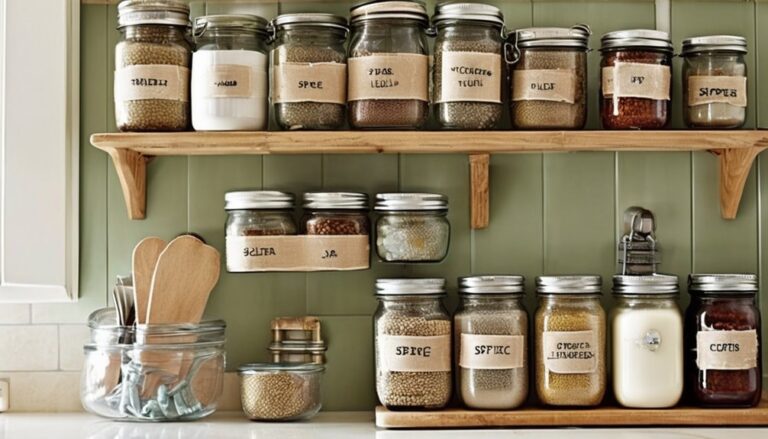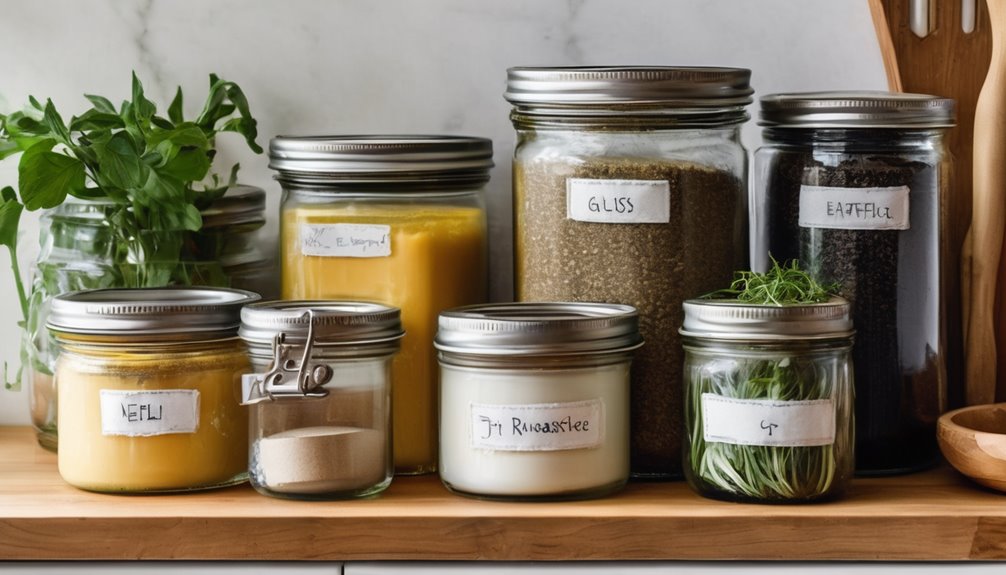
You can start a zero-waste kitchen on a budget by prioritizing high-impact swaps and durable basics. Use cloth napkins, reusable produce bags, and glass storage, buy in bulk, and shop with a clear list to cut impulse waste. Focus on practical reusables—snack bags, stretchy covers, beeswax wrap alternatives, silicone lids—and skip flashy gadgets. Track your waste, label everything, and build a small, reliable set. Stick with it now, and you’ll uncover more budget-friendly wins soon.
Key Takeaways
- Prioritize durable, reusable basics like cloth napkins, glass containers, and produce bags to cut waste affordably.
- Buy in bulk with a simple shopping list to minimize impulse purchases and packaging waste.
- Swap disposable tools for repairable, budget-friendly reusables (snack bags, silicone lids, stretch wraps).
- Implement a waste footprint baseline and quick audits to track progress and guide purchases.
- Use DIY upgrades and organized storage (scraps station, labeled jars, modular shelves) to save money and reduce waste.
How a Budget Zero-Waste Kitchen Is Actually Possible
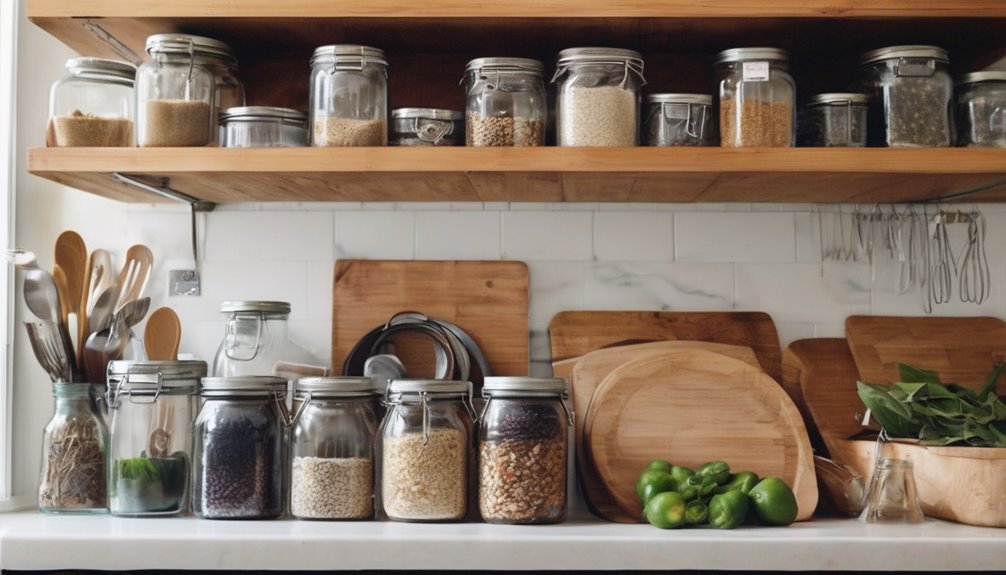
If you’re on a budget, a zero-waste kitchen isn’t a fantasy—it’s a plan you can implement this week. You can start by choosing a few high-impact swaps that feel doable and affordable. Embrace budget friendly staples like cloth napkins, reusable produce bags, and glass containers that replace single-use options. Buy in bulk when possible, and shop with a shopping list to cut impulse waste. Prioritize durable tools over flashy gadgets, and keep just what you actually use. Label everything so your waste consciousness stays clear and your routines stay steady. Create a simple, scalable system: compost scraps, save leftovers, and reuse jars. You’ll notice momentum grows as plastic and trash shrink, and you’ll belong to a growing, waste conscious community. Durable tools offer long-term value in a budget-conscious zero-waste setup.
Assess Your Waste Footprint Before Upgrading
Start by setting a Waste Footprint Baseline so you know your starting point. Do a quick audit of household outputs—food scraps, packaging, and transit waste—to illuminate where you can cut first. Then commit to tracking your reduction progress so every upgrade you make moves you closer to a zero-waste kitchen. Keep an eye on consistent metrics like recycling rates and waste tonnage to maintain momentum Waste Footprint Baseline.
Waste Footprint Baseline
So, what’s your current waste footprint, and where can you cut the biggest wins before you upgrade? Start with a simple, honest inventory: everything you throw away daily, from packaging to food scraps. Do a quick baseline assessment by tracking one week of waste in a jar or bag, noting material types and quantities. Identify the top offenders—single-use plastics, impulse buys, or spoiled produce—and flag where you can reduce. Set a clear target: cut disposables by 50%, compost more, and buy refills. Write down observable patterns, not guesses, so you can act. This baseline becomes your compass, guiding smarter purchases and smarter reuse. Waste data helps you quantify impact and track progress over time, linking daily choices to measurable outcomes. You’re building belonging by choosing intentional, achievable steps that honor the planet and your kitchen’s future.
Audit Household Outputs
To gauge progress before upgrades, you’ll audit household outputs by tracking what actually leaves your doors. Start with simple audit procedures: list every discard stream, measure volumes, note frequency, and tag recyclables, compostables, and trash. This sets clear waste metrics and highlights easy wins. Use a quick tally sheet daily to avoid recall bias, then review weekly to identify patterns. Your goal is ownership and belonging—feel empowered by tangible data, not guilt. Be honest, specific, and respectful of your space and neighbors. Below is a starter grid to organize ideas and data at a glance. Plastic packaging and other common streams can be tracked alongside the table below to help you quantify typical waste volumes over time.
| Stream | Current typical item | Monthly quantity |
|---|---|---|
| Plastic packaging | ||
| Food scraps |
| Paper waste
Track Reduction Progress
Have you measured what leaves your door lately? You’ll start by tracking reduction, not guessing. Set a simple baseline: tally weekly outputs for a month, then note every category—food scraps, packaging, receipts, plastics. This waste measurement becomes your compass, guiding which upgrades to prioritize first. Use a single sheet or app, date each entry, and assign a reason for disposal (expired, overage, non-recyclable). Be honest, but kind to yourself; progress compounds when you learn from each pattern. Share results with your household to anchor collective accountability and celebrate small wins together. As you refine habits, you’ll see where to invest: reusable containers, bulk buys, repair skills. Track reduction, reduce waste, and feel the belonging that comes with purposeful choices. Tracking waste data helps inform purchases that align with a zero-waste mindset and can guide decisions about home budgeting for sustainability upgrades.
Budget-Friendly Reusables That Cut Waste
Switch to reusable snack bags, stretchy produce covers, and beeswax wrap alternatives to cut waste from day one. You’ll save money and curb single-use plastics by choosing practical, washable options that fit your kitchen routine. Start small with a set you actually use, then scale up as you see waste drop. BPA-free components can further ensure safe reuse of everyday containers and lids as you transition to a more sustainable routine.
Reusable Snack Bags
Reusable snack bags are a smart, budget-friendly swap that slashes waste without sacrificing convenience. You’ll feel part of a growing community whenever you pack a local-made, reusable bag for snacks or leftovers. Choose trusted fabrics and sturdy closures, so your choices withstand daily use. For tiny hands and busy days, these bags offer quick grab-and-go access without fuss. When you’re selecting, consider material sourcing: look for low-impact, durable options, and transparent supply chains that align with your values. Keep cleanliness simple with a quick rinse and air-dry routine, preserving performance. With tight budgets, reuse and repurpose older pouches or fabric scraps to customize sizes. You’re not just cutting waste—you’re building habit, belonging, and a cleaner pantry that lasts. Pro/Total Crushing and practical kitchen efficiency can also support sustained use of reusable bags in everyday routines.
Stretchy Produce Covers
Stretchy produce covers are a simple, budget-friendly way to keep produce fresh without disposable plastics. You don’t need fancy gear—just stretchy fabric or silicone lids that cling snugly over bowls, halves, and wedges. This reuse routine saves money and rallies your household around practical, shareable habits. To get started, stock a small set of sizes that match your typical produce: cucumbers, lemons, berries, and leafy greens. Clean gently, dry completely, and store away from heat. When you finish, wash in cool water and air dry to keep the elastic snug. These reusable wraps embrace you as part of a community choosing less waste and more care. Stretchy produce covers empower you to protect, preserve, and belong. Foam separator
Beeswax Wraps Alternatives
Ever wonder if there’s a cheaper, equally effective alternative to beeswax wraps? You’re not alone, and you belong here trying smart, plastic-free moves. These options keep your food fresh without the waste.
- Cloth towels with fabric starch or oil—washable, durable, and budget-friendly.
- Silicone lids or stretchy silicone covers—reuseable, seal tight, easy to clean.
- Aluminum foil alternatives like wrap sheets treated with natural resins—thin, pliable, compostable at end of life.
Beeswax wraps, plastic free alternatives, and these picks all cut waste while staying affordable. Choose one that fits your routine, then stick with it. Small, consistent swaps compound into meaningful reductions, fueling your sense of belonging to a community that protects the planet and your wallet. 20-bar pressure
DIY Upgrades That Save Money and Materials
Small changes add up fast: start with simple DIY upgrades that cut waste and keep costs low. You’ll repurpose, reuse, and replace with intent, turning clutter into value. Create a dedicated station for scraps to streamline waste tracking, so every bite of compost or container return is rewarded with progress. Use budget swaps like repurposed jars for pantry labeling, cloth bags for produce, and magnetic strips to hold tools, cutting countertop clutter and daily purchases. Swap disposable tools for durable, repairable basics, then seal gaps with simple, low-cost fixes—no fancy gadgets required. Document your wins: a quick list of materials saved, dollars preserved, and waste reduced. As you expand, consider adopting features like self-cleaning and dishwasher-safe components from all-in-one blender setups to reduce ongoing maintenance and save time on cleanup self-cleaning features, while staying mindful of durability and repairability to keep costs low over time. You belong here, improving together, one frugal, mindful upgrade at a time.
Energy-Smart Tools That Save Your Budget
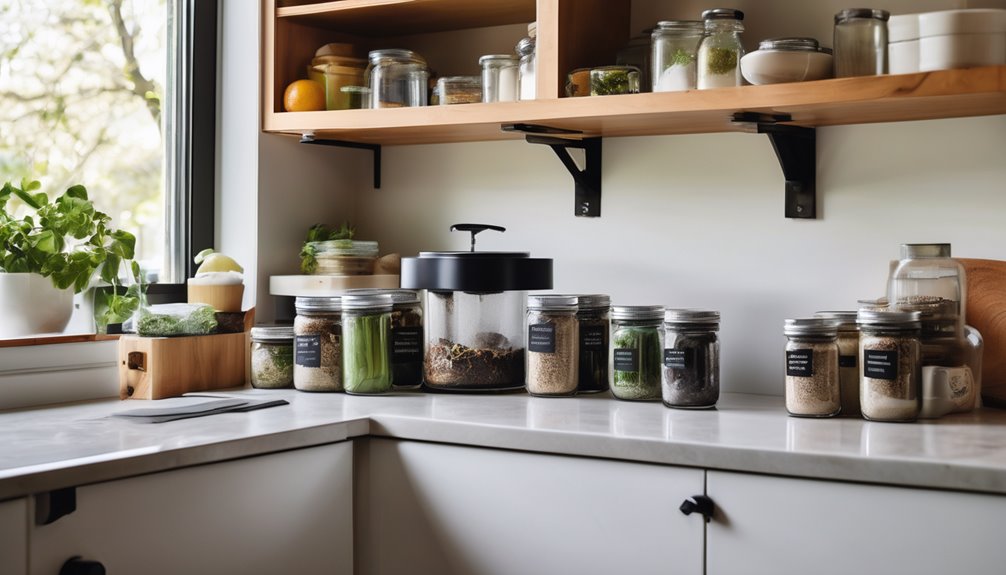
Why pay more on energy when the simplest tools can slash your bill? You deserve a kitchen that works with you, not against you. These energy-smart picks are budget-friendly essentials that fit a zero-waste mindset and bring your crew together around smart choices.
- Efficient LED task lights and smart plugs to control energy use without fuss.
- Programmable thermostat or smart heater timer to curb heat while you cook, no waste.
- Reusable, energy-saving kettle and pressure cooker that cut cook time and standby power.
Each tool fuels belonging—shared goals, shared savings. When you choose energy-smart, you’re investing in a calmer, more connected kitchen. Your budget grows gentler, your footprint shrinks, and your daily routines feel powered by intention. energy smart, budget friendly.
Smart Swaps: Recycled Kitchen Gear You’ll Actually Use
Smart swaps don’t mean sacrificing quality—they mean swapping in recycled gear you’ll actually reach for. You want tools you trust, not clutter, so pick recycled utensils that feel sturdy and familiar. Prioritize items you’ll use daily: a reliable measuring cup, a durable spatula, and a versatile bowl set. Pair these with upcycled jars for storage—clear, wide mouths for easy access, with lids that seal and stack neatly. Design matters: choose colors and textures that fit your kitchen’s rhythm, so every grab feels effortless and comforting. Label jars with simple, visible markers to reduce decision fatigue and waste. These choices cultivate belonging—where waste-minimizing habits become second nature and your kitchen reflects care, community, and intentional living.
Bulk Storage That Slashes Waste and Clutter
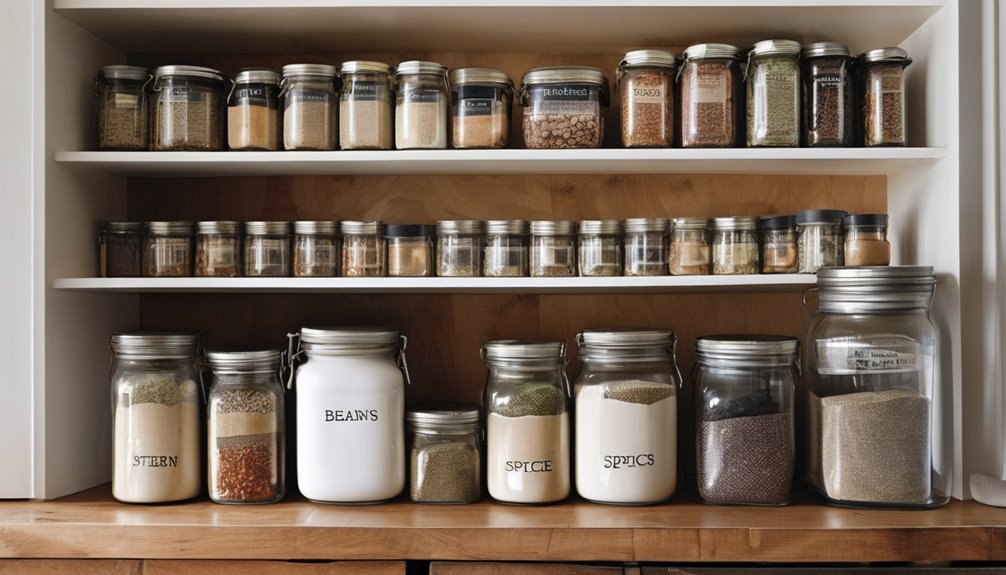
Bulk storage is where all that recycled gear earns its keep. You’ll free counters and minds by choosing compact, labeled systems that fit your space and habits, not someone else’s. When you organize thoughtfully, waste reduction becomes a daily habit you feel in your gut and your budget.
- Use clear, stackable jars for grains and pulses, with a communal labeling system so you notice every item at a glance.
- Install modular shelves and a dedicated bin for compost or recycle, so trash is minimized and chores stay quick.
- Put every item on a rotating weekly checklist to prevent duplicates and stale buys, keeping your pantry lean and loved.
Create a Zero-Waste Kitchen Plan on a Tight Budget
If you’re tightening your belt and chasing zero waste, start with a plan you can actually stick to this month. First, map your week around meals you already love, then design a shopping list that minimizes trips and packaging. Embrace a minimalist mess mindset: only keep what you truly use, group similar tools, and label containers for quick, calm prep. Choose thrifted packaging when possible—jarred sauces, repurposed tins, and cloth bags reduce waste at the source and save money. Set three concrete actions: batch prep every Sunday, swap single-use items for reusable essentials, and stock a small, portable kit for on-the-go meals. Track progress in a shared note or app to stay accountable and feel connected with others pursuing the same goal. You’ve got this.
Maintenance Habits to Prevent Waste and Extend Lifespan
Maintenance is simpler than you think: small, consistent habits prevent waste before it starts and extend the life of what you own.
Maintenance Habits to Prevent Waste and Extend Lifespan
1) Schedule quick, eco friendly maintenance checks weekly—tighten, clean, and replace only when needed to protect efficiency and lifespan extension.
2) Use reusable tools and gentle cleaning methods that honor materials, reducing damage and waste while boosting performance.
3) Tackle small repairs fast; fixing leaks, dull blades, or worn seals now saves bigger costs later and builds a sense of belonging to a mindful community.
This approach keeps your kitchen efficient, saves resources, and reinforces a shared commitment to eco friendly maintenance and durable goods. You belong in the movement.
Frequently Asked Questions
How Do I Measure Waste Reductions Month by Month?
You can measure waste reductions month by month by setting clear measurement benchmarks, then tracking every week. Start with a baseline, record items composted, recycled, or diverted, and log amounts in a simple chart. Use monthly tracking to spot trends, celebrate small wins, and adjust habits. Two word discussion ideas: “pots or plastics?” and “buy less.” Stay purposeful, create belonging through shared metrics, and keep the momentum alive with concise notes and visible progress. You’ve got this.
Can I Start Zero-Waste Without Buying New Gear?
Yes, you can start zero-waste without bought gear. In fact, 70% of waste comes from everyday habits, not specialized tools. Start small, reuse gear, and build momentum with simple swaps. You’ll feel the momentum in your kitchen as reusable jars replace disposables and cloths replace napkins. Embrace community tips, celebrate tiny wins, and invite others to join. Your kitchen can belong to you and the planet, one conscious choice at a time.
What’s the Cheapest Way to Compost at Home?
The cheapest way to compost at home is to start with kitchen scraps in a simple trash can or a DIY tumbler, plus a layer of browns. You’ll follow beginner methods like alternating greens and browns, keeping it damp, and turning weekly. Look for cheap composting options in your area, join a local swap, and share tips with neighbors. You’ll feel belonging as your soil improves and your waste drops, saving money and the planet.
Are Secondhand Tools as Durable as New Ones?
Secondhand durability can rival new tools, especially when you choose solid brands, inspect for wear, and care properly. Used tools longevity hinges on maintenance, not age. You’ll find that well-made cast iron, steel, and aluminum withstand daily use and save you money. Treat them right, sharpen, oil, and store dry. You’ll feel empowered, connected, and part of a community that values sustainability. Your toolbox will prove secondhand durability is a smart, lasting choice.
Which Items Should I Never DIY to Save Money?
Never DIY high risk or unreliable fixes for essential systems—plumbing, electrical, gas, structural, and anything load-bearing. You’re not saving money if you endanger lives or trigger costly repair cascades. Instead, call pros for critical work, and reserve DIY for non-structural tasks you can confidently handle. You’ll build trust with your community, stay safe, and still save by choosing quality tools, proper parts, and conservative ambitions. Belong by doing it right, together.