To maximize kitchen space on a budget, start with an audit of what you actually use and discard duplicates to cut clutter. Choose multi-use, modular tools that nest or stack, then rearrange into clear zones for prep, cooking, and cleaning. Implement hidden and vertical storage to reclaim counter space, and rotate items so often-used gear stays front and center. Establish quick daily routines to maintain order. Keep going, and you’ll uncover even smarter space wins and workflows.
Key Takeaways
- Audit and Cull: remove duplicates, near-expiry items, and underused staples to reclaim space and reduce clutter.
- Optimize Storage: use uniform clear containers and vertical/hidden storage to maximize visibility and accessible area.
- Zone-Based Workflow: map prep, cooking, and cleaning zones to minimize movement and keep counters clear.
- Multi-Use Tools: prioritize modular, nesting, and multifunction gadgets to reduce gear count while maintaining versatility.
- Daily Routines: implement 60-second evening reset and weekly audits to sustain an organized, budget-friendly kitchen.
Audit Your Kitchen Inventory to Identify Clutter-Causing Staples
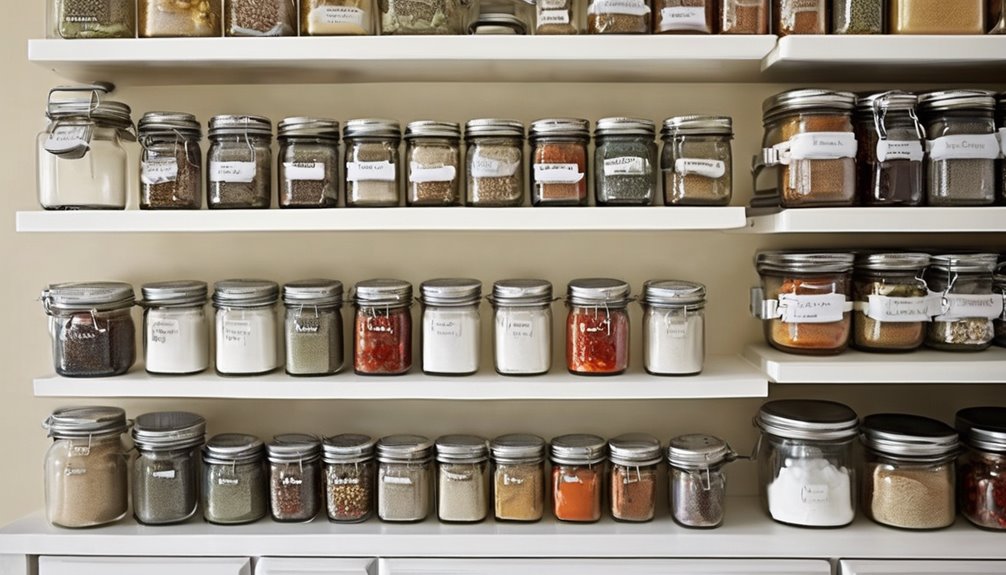
To maximize space, start by auditing your kitchen inventory to identify clutter-causing staples. You’ll approach this analytically, tracking what you actually use versus what sits idle. Begin with a quick scan of pantry shelves, fridge doors, and cabinet backs, labeling items as essential, occasional, or redundant. During the audit inventory, note duplicates, near-expiry products, and multi-pack collections that encourage overstock. This kitchen purge isn’t about deprivation; it’s about clarity and belonging to a streamlined routine. Prioritize items that support daily meals, then address underused staples that consume space. Use item prioritization to decide what to keep, relocate, or discard. Streamline by consolidating similar products and removing duplicates, creating room for fresher, better-fitting essentials. Your organized shelves reinforce confidence and efficient habit formation. Consolidating similar products reduces inventory clutter and supports a more scalable pantry system.
Choose Multi-Use Tools That Maximize Space and Versatility
Maximize space and versatility by choosing tools that serve multiple roles. You’ll gain efficiency by selecting compact cookware and multipurpose gadgets that overlap functions, reducing clutter without sacrificing performance. Prioritize items that nest, stack, or clip together for secure storage and quick access. Evaluate each tool’s core tasks: chopping, mixing, heating, and serving; prefer designs that streamline those steps in a single unit. Favor modular concepts, such as pans with interchangeable lids or utensils that function as measuring tools. Choose durable materials to extend lifespan and justify the space they occupy. Align choices with your cooking routines to reinforce belonging—tools should feel like teammates, not obstacles. Favor simplicity over novelty to avoid redundancy, and document your selections to maintain a lean, organized collection.
Rearrange for a Natural Kitchen Workflow on a Budget
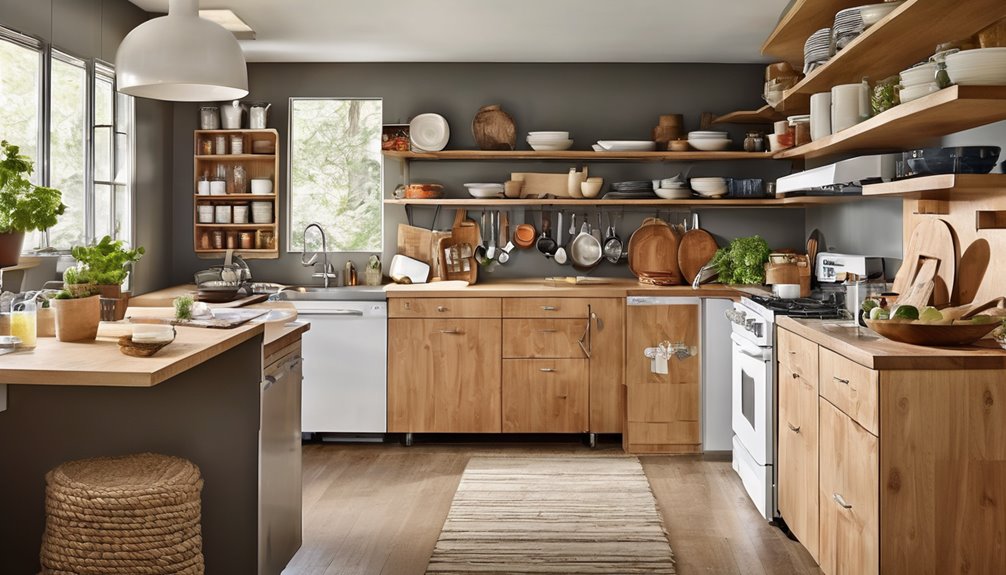
To optimize layout flow on a budget, start by mapping your prep, cooking, and cleaning zones to minimize steps. Align these zones with common tasks to reduce backtracking and keep essential within arm’s reach. Use budget-friendly tweaks—repositioned islands, wall-mounted organizers, and zone markers—to reinforce a natural workflow and support efficient prep zones.
Optimize Layout Flow
So, where should you start when prioritizing a natural flow in a tight kitchen? Focus on layout symmetry and traffic flow to guide every decision, from appliance placement to workzones. A balanced plan reduces backtracking, makes tasks repeatable, and gives you a sense of belonging in a well-ordered space. Map primary routes: cooking, prep, and cleanup paths, ensuring no bottlenecks or dead-ends. Align work zones with essential tasks, spacing counters, sink, and stove for smooth transitions and minimal reach. Use sightlines and door clearances to keep circulation open, preventing clutter from creeping into the core workflow. Efficient layouts help you visualize and measure clearance zones as you optimize placement.
Budget-Friendly Prep Zones
Refining prep zones on a budget means rethinking what you already have and rearranging around your core tasks. You’ll identify your most used tools and places, then cluster them into a natural flow: prep, wash, chop, and store close together. Use vertical space and shallow shelving to unlock counter real estate without clutter, a key space saving strategy. Choose multipurpose containers and labeling to reduce rummaging time, reinforcing budget conscious prep zones that minimize waste and movement. Prioritize a dedicated area for mise en place, with knives, boards, and measuring cups within arm’s reach. Streamline under-sink storage with clear organizers so you can quickly access essentials. The result is calmer rituals, faster workflows, and a sense of belonging as you work efficiently within your modest kitchen. Mise en place helps you keep essential tools organized and within reach, which aligns with the idea of dedicated zones for quick access and efficient prep.
Hidden Storage Hacks That Free Counter Space
Hidden storage can dramatically free counter space by tucking essential out of sight yet within reach. You’ll reclaim daily prep room by prioritizing hidden storage that doubles as countertop reuse, reducing clutter without sacrificing function. Think modular solutions that blend with your kitchen’s flow and social vibe, so you feel connected rather than isolated in mess management. Integrating temperature-controlled kettles or compact appliances with precise presets can also help you keep essentials streamlined and ready, even when you’re tight on space. gooseneck
Maximize Vertical Space Without Remodeling
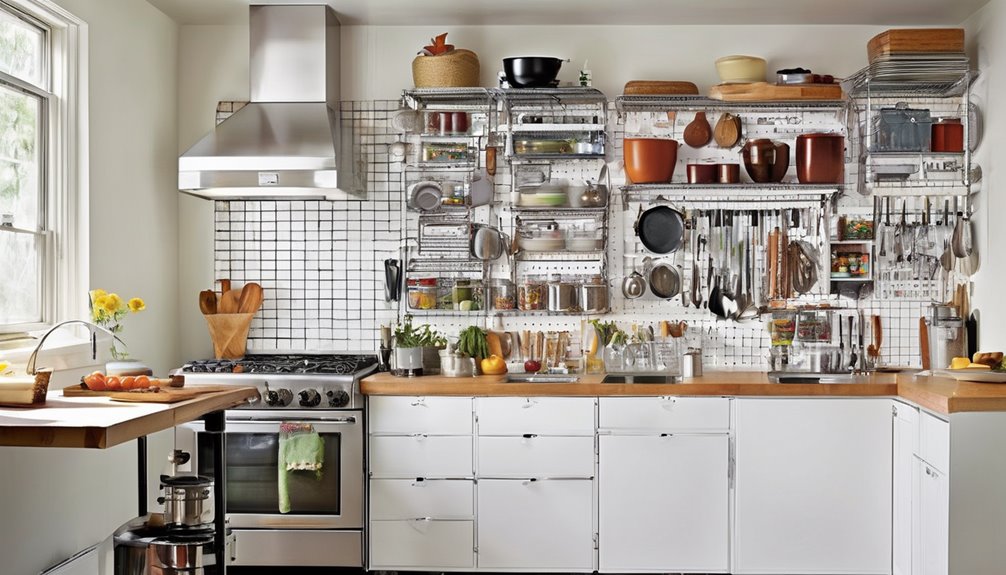
Maximize vertical space without remodeling is about clever, inexpensive fixes that stack efficiency rather than items. You’ll optimize flow by leveraging walls, corners, and existing surfaces with purpose-built solutions. Vertical shelving keeps often-used items within reach, while magnetic storage provides fast access and tidy presentation. Together, they reduce clutter and emphasize belonging through shared, accessible design.
By selecting modular, adjustable components that can adapt to different layouts, you can expand storage without permanent changes. Cable management considerations become part of a tidy kitchen workflow, ensuring cords and chargers stay out of the way as you repurpose vertical space for everyday tasks. Commit to modular, adjustable units that grow with you. By prioritizing vertical out of the way, you maintain a calm, collaborative kitchen where everyone finds what they need without interrupting others. Your space signals care, efficiency, and a sense of belonging.
Budget-Friendly Routines to Maintain a Clutter-Free Kitchen
To keep clutter in check, adopt daily declutter routines and simple storage habits that fit your cadence and space. Small, consistent actions win on organization, so track what you use and replenish only what you actually need. Align these habits with your workflow to maintain a clear, efficient kitchen without overspending or overhauling. Regular maintenance and durable, dishwasher-safe parts help sustain long-term cleanliness and reliability dishwasher-safe parts.
Declutter Daily Routines
Decluttering isn’t a one-and-done task—it’s a daily habit that keeps your kitchen organized without a big time sink. By building simple, repeatable actions you can trust, you create reliable declutter routines that feel natural rather than forced. Your daily systems should require minimal effort while yielding consistent results, so you actually stick with them.
1) Do a 60-second reset each evening: clear counters, return items to their homes, and wipe surfaces.
2) Sort trash, recycle, and compost distinctly, minimizing future pileups and decision fatigue.
3) End the day with a quick inventory check to prevent missing essential and to guide upcoming routines.
These steps reinforce belonging through predictability, making space management feel like part of your identity, not a chore. 360° swivel and silence wheels
Smart Storage Habits
Are you getting the most out of every inch of cabinet and counter space without overspending? Smart storage habits help you keep a cohesive, affordable kitchen. Start with storage rotation: place frequently used items at the front, seasonal or rarely used gear at the back, and labels that reinforce a quick rehoming habit. This reduces rummaging time and prevents duplicate buys. Implement meal prep zoning: designate zones for prepping, cooking, and cleaning, so tools live near their tasks and surfaces stay clear. Use clear containers and consistent sizes to maximize space and visibility, andaudit weekly to remove expired items. Build routines that fit your life, not the trend, so you feel settled, capable, and connected to your kitchen.
Frequently Asked Questions
How Can I Prioritize Items to Keep Versus Donate?
You decide by weighing habits versus practicality and seasonal rotation: keep what serves daily use, donate what’s rarely touched, and rotate kept items by season. Envision your kitchen as a small town: the dependable tools stay in main streets, the surplus moves to the attic until needed. Track with a simple list, clear categories, and a timer. You’ll feel you belong, organized and intentional, reducing clutter while honoring both comfort and usefulness.
What’s the Best Low-Cost Purge Method for Clutter?
A simple purge method is to categorize items by function, then apply a 90/10 rule: keep the 10% you truly use or love, donate or recycle the rest. Pair this clutter strategy with a 15-minute daily sweep, so you stay aligned with your goals. You’ll feel a sense of belonging as spaces breathe. Decide quickly, label bins, and reassess monthly. This keeps momentum and minimizes second-guessing.
How Often Should I Audit Pantry Items for Space?
You should audit pantry items every month, a cadence that mirrors your routine and reinforces belonging. This audit cadence helps you track storage rotation, spot near-expiries, and refine your purge method. When you see patterns aligning with donation scheduling, you’ll feel intentional, not overwhelmed. Keep it concise: check labels, dates, and quantities, then adjust orders and storage placement. A steady rhythm builds confidence, saves money, and nudges you toward smarter, shared kitchen habits.
Can I Repurpose Under-Sink Space Effectively?
Yes, you can repurpose under-sink space effectively. Start by installing vertical organizers and a slim pull-out tray to maximize height. Use under-sink storage solutions to group cleaning supplies and ako products, keeps items accessible. Budget friendly hacks include using tension rods for sprays, adhesive bins for small items, and a reusable caddy. You’ll gain order, minimize clutter, and feel a shared sense of belonging as you streamline routines.
Which Budget Apps Help Track Kitchen Organization?
Budget apps that track kitchen organization include Sortly, You Need a Budget, and Trello. These budget apps help you categorize pantry items, monitor purchases, and set reminders for restocks, boosting efficiency. You’ll feel confident choosing layouts that match your space and routines, fostering belonging with family as you share lists and tasks. Analyze usage patterns, prune duplicates, and adjust budgets monthly to keep your kitchen organized without clutter, while staying financially on track.