Budget-friendly kitchen staples start with a core pantry you can actually rely on. Build around 10 versatile basics like beans, oats, rice, pasta, eggs, canned tomatoes, stock, olive oil, canned meat, and peanut butter, then organize with FIFO, labels, and airtight containers to cut waste. Shop bulk smartly, compare price per ounce, and substitute spices to stretch meals. Batch-cook and store leftovers, use energy-efficient gear, and repackage large containers. Keep habits simple, and you’ll unlock even more savings as you proceed.
Key Takeaways
- Build a core pantry with beans, lentils, oats, rice, pasta, canned goods, stock, olive oil, garlic, onions, and spices for affordable versatility.
- Use FIFO, label purchase/opened dates, and repack bulk items into weekly portions to minimize waste.
- Store dry goods airtight in cool, dry places; refrigerate perishables and re-seal opened packages promptly.
- Batch cook and freeze portions (rice, beans, vegetables) to save time and energy; defrost overnight in the fridge.
- Shop smart by buying spices in bulk, look for sales, and substitute cumin, paprika, cinnamon, and ginger to stretch meals.
Build Your Budget-Friendly Core Pantry: 10 Essentials
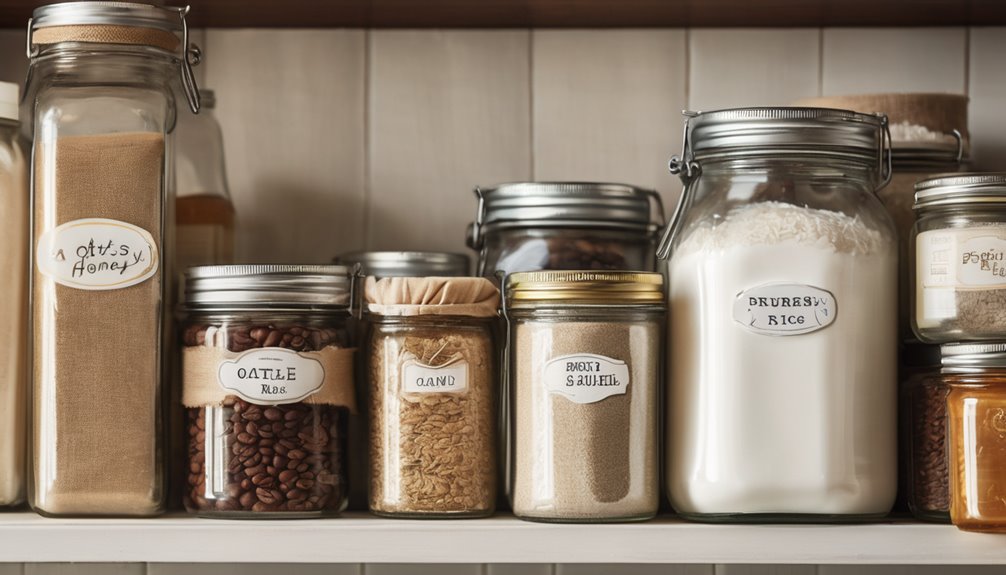
Do you want a kitchen you can rely on without breaking the bank? You’ll build a core pantry that fuels meals, minimizes trips, and feels accessible. Start with dry beans, lentils, and bulk grains like oats, barley, and brown rice for affordable protein and fiber that last. Add canned goods—beans, tomatoes, tuna, chicken—for quick boosts that stretch meals between shop runs. Stock versatile staples: pasta, whole wheat flour, oats, and rice, available in bulk or family sizes to lower per-ounce costs. Foundation items like broth (meat or veggie), olive oil, garlic, onions, and core spices—salt, pepper, paprika, garlic powder, cinnamon, ginger—create scalable flavor for weeknights. Eggs, frozen vegetables, and frozen berries round out protein, nutrition, and convenience with solid shelf life. A well-organized pantry helps you plan efficiently and reduces last-minute trips to the store core pantry strategy.
Organize to Cut Waste and Maximize Freshness
Organize your pantry to track and rotate stock, so you use oldest items first and minimize spoilage. Proper storage—clear, labeled containers and uniform grouping by usage—helps you see what you have and cut waste. Repackage bulk or large containers into weekly portions and freeze leftovers in labeled amounts to maximize freshness.
Track and Rotate Stock
To cut waste and maximize freshness, you should regularly rotate pantry items so newer purchases sit at the back and older ones move to the front for first-in, first-out use. You’ll label items with purchase or opened dates to track freshness and prevent forgotten leftovers from turning into waste. Group similar items—beans, grains, spices—together and keep an inventory checklist visible to guide meal planning and avoid overbuying. Store dry goods in airtight containers and keep perishable staples, like eggs and opened sauces, in the main refrigerator to extend shelf life. Perform a quick monthly stock audit to identify near-expiry products and plan meals that use them before they spoil. Incorporate pantry rotation, FIFO, stock audit, expiration tracking, and anInventory checklist.
Proper Storage Practices
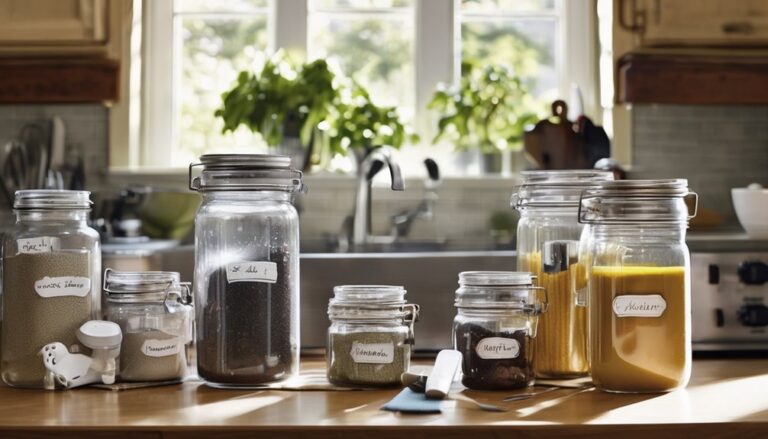
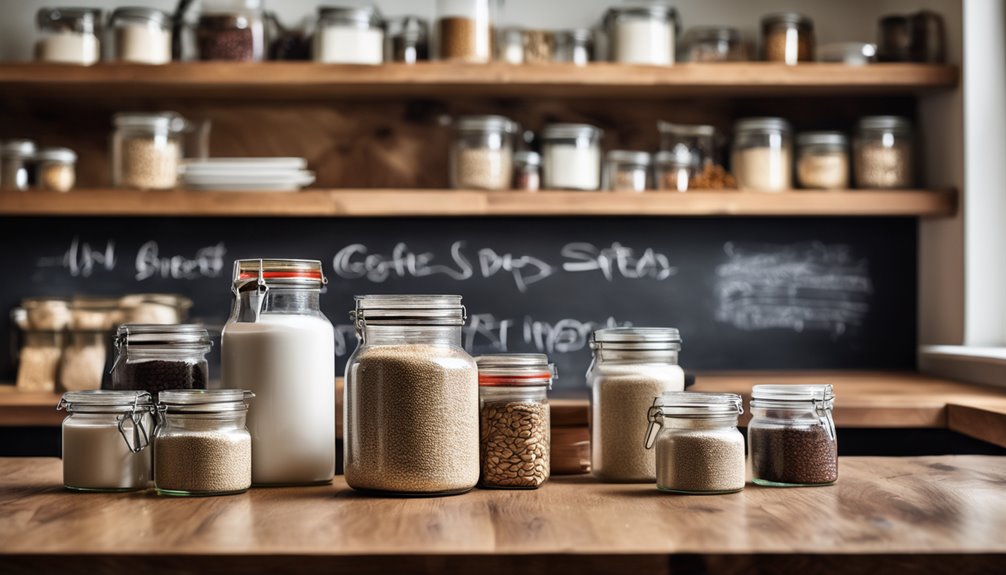
Smart storage habits reduce waste and keep ingredients fresher longer. You organize by category—proteins, grains, vegetables, and liquids—so you can plan meals and curb impulse buys. Use pantry organization to place bulk spices in airtight storage containers away from light and heat, and label each jar with purchase date. Keep oats, rice, and beans in sealed, moisture-free containers in a cool, dry place, freezing dried goods to extend longevity. Re-seal opened packages promptly with clip-on dampers or mason jars to minimize air exposure and freezer burn on nuts and grains. Practice FIFO rotation, placing newer purchases behind older ones to use items before expiration. Labeled jars and clear labeling support quick, confident decisions and reduce waste. 4D adjustable fit considerations help tailor storage solutions for compact spaces and smaller work areas, ensuring shelves and containers stay accessible and organized.
Save Energy With Budget-Smart Kitchen Gear
You can save energy by choosing energy-efficient appliances and using them for shorter, targeted tasks like reheating in a microwave or steaming instead of full stovetop cooking. Practice smart power usage by running only what you need and avoiding preheating when not essential. Try off-peak cooking when possible to leverage lower energy rates and reduce overall stove time. Additionally, look for auto shut-off features and boil-dry protection in dual-voltage travel kettles to minimize energy waste and enhance safety.
Energy-Efficient Appliances
Wondering how much energy your kitchen gear actually uses? You’ll cut waste by choosing Energy Star appliances and prioritizing efficiency, insulation, and maintenance. With LED indicators and programmable thermostats, standby and active-use energy drop, while better seals and smaller, densely insulated fridges curb losses. Regular maintenance—clean coils, lint-free vents, and intact door seals—keeps performance steady and costs down. Batch cooking and multi-function devices, like convection toaster ovens, replace several single-purpose tools, boosting efficiency. This approach builds belonging too: you’re part of a community that saves energy together, without sacrificing comfort.
Energy Star certification helps ensure lower overall energy usage across common kitchen appliances, guiding smarter choices.
Smart Power Usage
Ever wonder how to cut energy use in a busy kitchen without sacrificing convenience? You can boost energy efficiency by cooking in batches, using efficient utensils, and letting residual heat finish meals. Prefer lids and pressure cooking to shorten simmer times, saving electricity or gas. Defrost frozen ingredients in the refrigerator overnight rather than microwaving, avoiding energy spikes. Batch cooking with pre-chopped ingredients minimizes stove time per meal, lowering overall energy use while keeping flavor intact.
- Save energy by batch cooking and using lids
- Choose efficient utensils to reduce wasted heat
- Let residual heat finish cooking for efficiency
- Defrost method matters: fridge thaw over microwave thaw
Off-Peak Cooking Tips
Off-peak hours offer a practical path to lower energy bills without sacrificing meal quality. You can boost efficiency by batch-cooking on cooler off-peak hours—early morning or late evening—when time-based pricing and demand charges may be lower. Cook larger portions of grains, beans, and roasts to maximize oven or stove usage and reduce energy per serving. Use residual heat by turning off the oven a few minutes early, letting carryover heat finish cooking. Valve energy down further by simmering soups with a lid on to trap heat and cut burner time. Plan meals around one-pot or sheet-pan dishes to minimize transfers, saving both time and energy. These practices support energy savings and a sense of belonging in budget-minded kitchens. Multi-device compatibility can help you streamline setups for different recipes and devices across your kitchen workflow.
Shop Smart: Bulk, Sales, and Substitutions
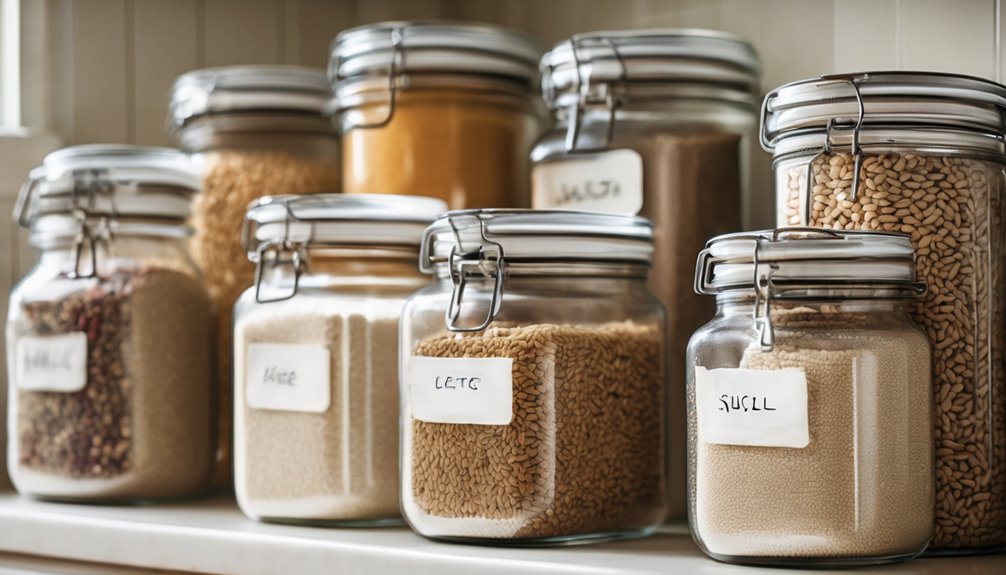
Smart shopping for spices means buying in bulk when it makes sense, comparing price per ounce, labeling everything clearly, and substituting versatile seasonings to stretch your pantry without waste. When you compare bulk options, you often see bulk saves of 75% to 93% per ounce versus packaged options, boosting your budget-friendly flavor without clutter. Store spices in a cool, dry place and organize by frequency of use to extend shelf life. Substitutions matter: cumin, paprika, cinnamon, and ginger cover many dishes and keep you cooking confidently. Watch for sales and stock up on core items to maximize value while reducing packaging waste. Bulk-basket efficiency can also help you plan meals more quickly by pairing twins or parallel-seasoning options for faster prep.
Master Quick Prep: Hacks That Make Every Item Go Further
Want to stretch your pantry without extra trips to the store? Master quick prep by batching and smart storage. Cook a big batch of brown rice, portion, freeze, and reheat for bowls or stir-fries in minutes. Canned beans offer protein—rinse and fold into salads, soups, or chilis for instant meatless meals. Keep pasta sauce on hand as a versatile base; swirl into stuffed peppers, meats, or pizza to skip starting from scratch. Stock vegetable broth to flavor grains, soups, and sautéed veggies quickly. Store olive oil with garlic and spices in bulk; small amounts from this stash season multiple meals, cutting new purchases. These habits boost value, speed, and belonging in your kitchen routine. Lumbar support can help you stay comfortable during long prep sessions as you work through batches.
Flavor on a Dime: Affordable Seasonings and Boosters
Saving money on flavor starts with smart sourcing: bulk spices can cut cost per ounce by 75% to 93% versus packaged options, so filling your rack with cumin, paprika, cinnamon, and garlic powder is a mighty, low-cost upgrade. When you choose bulk spices, you tap cost savings you can actually see in week-to-week meals, turning pantry staples into real flavor boosters. Use affordable seasonings to transform chilis, stews, meats, vegetables, and grains without adding meat or extra cost. Organize and label after purchase to prevent waste and maximize shelf life, and consider grow-your-own-herb options or dried forms to keep costs low. Your kitchen becomes a shared space of flavor and smart choices. Emphasizing durable, BPA-free tools and a well-designed setup can further support consistent results while staying budget-friendly. Bulk-Spice Savings can empower ongoing flavor without breaking the bank.
Plan Flexible Meals Around 10 Staples
Start by choosing ten core staples—beans, oats, rice, pasta, eggs, canned tomatoes, canned meat, stock, peanut butter, and olive oil—and organize them into flexible meal plans. Pair staples to build bowls, sauces, and one-pan dishes, which keeps variety while using the same ingredients. Use dried beans and whole grains to stretch meals further and rotate proteins or vegetables based on sales to preserve cost control. These strategies align with practical budget planning and recall that long-lasting staples can support steady, economical meal rotation while reducing waste. durable staples
Plan Flexible Meals
Plan flexible meals by anchoring your week around a core set of 10 staples—beans, lentils, oats, rice, pasta, canned tomatoes, tuna, eggs, greens like cabbage, and broth—so you can assemble versatile base recipes with minimal effort. By pairing these staples with cheap proteins and frozen veggies, you create complete, budget-friendly meals without extra trips. Batch cook grains and oats in advance, freezing portions to speed weeknights and cut waste. Map two to three meal ideas per staple—lentil soup, bean bowls, tuna pasta—to ensure quick assembly when time is tight. Rotate leftovers into new sauce bases and vegetable scraps to maximize variety while staying economical.
- You’ll feel empowered and supported by consistent, reliable meals
- The plan fits your schedule and budget, reducing stress
- You’ll build confidence through repeatable, simple techniques
- You belong in a community that values smart, flavorful cooking
Ten Staples Strategy
A Ten Staples Strategy keeps your weekly meals simple and flexible by anchoring planning around ten budget-friendly items. You’ll select pantry staples for durability and versatility, then pair them with different proteins, vegetables, and sauces to build distinct meals. This approach emphasizes beans, grains, pasta, canned meats, stock, eggs, frozen vegetables, oats, rice, and basic spices, all chosen for long shelf-life and broad use across cuisines. By tracking sales and swapping on-sale equivalents, you maintain the ten-staple framework while varying meals. Regular reevaluation helps you adapt to prices without losing consistency in meal planning. ten staples, budget-friendly, pantry staples, versatile ingredients, meal planning.
| Staple | Benefit |
|---|---|
| Beans/Grains | Budget-friendly, versatile |
| Eggs/Rice | Quick, long shelf-life |
Upgrade Tools Without Breaking the Bank
Upgrade tools without breaking the bank starts with smart priorities and practical tactics. You can upgrade without overspending by focusing on multipurpose tools, checking for warranties, and choosing durable, affordable options from trusted brands. Prioritize items that boost efficiency in everyday cooking, like a reliable knife set, sharpener, and versatile measuring tools, then add nonessential upgrades only if they truly save time. Bulk buying and proper storage tips apply here too: buy high-use kitchen tools in durable materials and keep them organized in a dedicated storage zone so you actually use them. Start with a starter set of versatile pantry staples to extend your budget and flavor reach. Smart budgeting can also guide you toward tools that maximize time-saving potential durable multipurpose tools. Save with affordable essentials that multitask and last. Maintain spice organization through clear labels and airtight storage. Build confidence via bulk buying tactics and sensible upgrades. Feel a sense of belonging by sharing tips and successes.
Maintenance Habits for Longevity and Lower Costs
Ever wonder how small, consistent habits can stretch your pantry and your budget? You can boost pantry maintenance by smart, simple actions that cut waste and save money. Repackaging canned goods into labeled containers streamlines quick meals and reduces spoilage, while store-bought bulk staples stay fresh longer when kept in airtight, portioned setups. Label spices clearly in bulk bins to capture 75%–93% per ounce in savings and ease of use, and refrigerate olive oil in a cool, dark place, using small amounts to extend shelf life up to nine months after opening. Freeze bulk staples like barley and oats to guard freshness for up to a year, and cook dried beans in bulk to stretch meals. Cost-saving habits support belonging and reliability.
Create a Simple, Reusable Pantry Rotation Plan
Wondering how to keep your pantry efficient without overhauling your kitchen routine? A simple, reusable rotation plan keeps staples fresh and affordable, aligning with your meal planning goals. Start with a core list of 10 staples—beans, lentils, oats, rice, pasta, canned tomatoes, canned tuna or chicken, eggs, broth, and olive oil—and rotate weekly based on sales to preserve variety. Map each item to at least two quick-use meals, ensuring consistent rotation and waste reduction. Build a monthly rotation calendar pairing staples with add-ins like frozen vegetables, spices, and grains for diversity. Schedule a biweekly quick-ahead plan: cook rice or oats and a batch of beans or lentils, then freeze portions. Track usage and restock with minimums to sustain a ready-to-cook pantry.
- Clear, achievable rotation builds belonging and confidence
- Save money while enjoying familiar flavors
- Less waste, more meal planning momentum
- Consistent staples, flexible, ready-to-use meals
beans rotation pantry staples meal planning