To frugally organize your kitchen, start by mapping every daily task and prioritizing multi-use gear that saves both space and cash. Use vertical shelves, clear labeled containers, and smart storage zones for prep, cook, and store. Choose high-impact staples and energy-saving habits—batch cook, use lids, and monitor usage. Favor refurbished gear with solid warranties, and maintain simple routines to extend appliance life. If you keep going, you’ll uncover even more cost-saving tweaks and setups.
Key Takeaways
- Prioritize a compact, modular storage system with clear containers and labeled lids to streamline visibility and reduce rummaging.
- Use vertical space, magnetic strips, and stackable bins to maximize small-kitchen footprint without clutter.
- Group items by task and keep a simple core pantry (rice, beans, oats, pasta, canned tomatoes) for versatile, waste-cutting meals.
- Label leftovers and implement a simple rotation schedule to minimize spoilage and maintain freshness.
- Focus on multi-use tools and repurposed containers; plan routines to minimize energy use and daily stove/oven time.
How to Identify Budget Kitchen Priorities
Start by listing every kitchen task you actually perform and the items you regularly use for them. You’re building a practical priorities map, not a shopping list, so focus on what truly moves you forward. Identify activities that, if improved, unlock daily ease: cooking, reheating, food storage, cleanup, and prep. Then rank by impact and cost, not emotion. Use budget planning to allocate funds to essentials first—quality basics that prevent waste and frequent replacements. Consider storage optimization: choose pieces that fit your space and habits, maximize visibility, and minimize clutter. Finally, set 30-, 60-, and 90-day goals, reevaluate with real usage, and adjust investments accordingly. Belonging grows from purposeful, shared routines. A deliberate gear audit can help you avoid overbuying and focus on durable, programmable options like a smart kettle that supports scheduling and keep-warm features budget-aware planning.
Frugal Storage Solutions for Small Kitchens
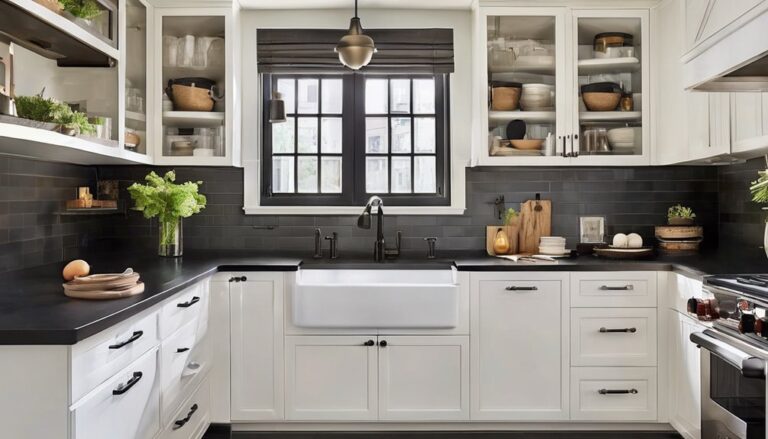
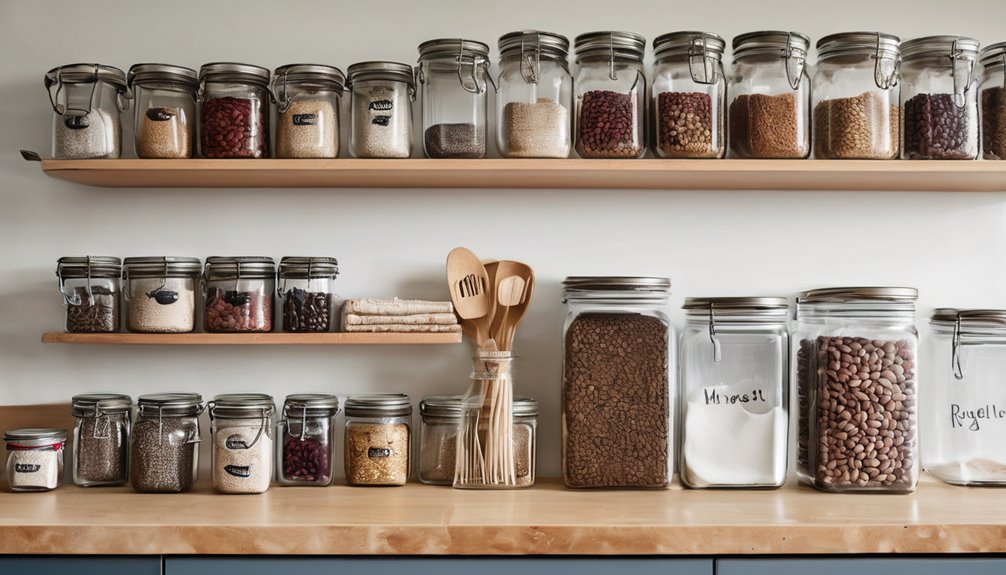
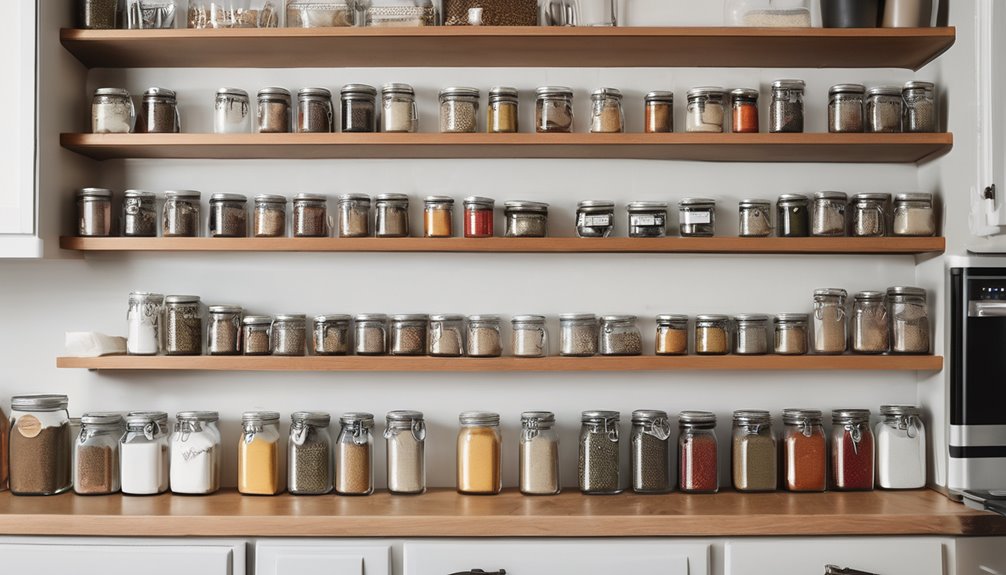
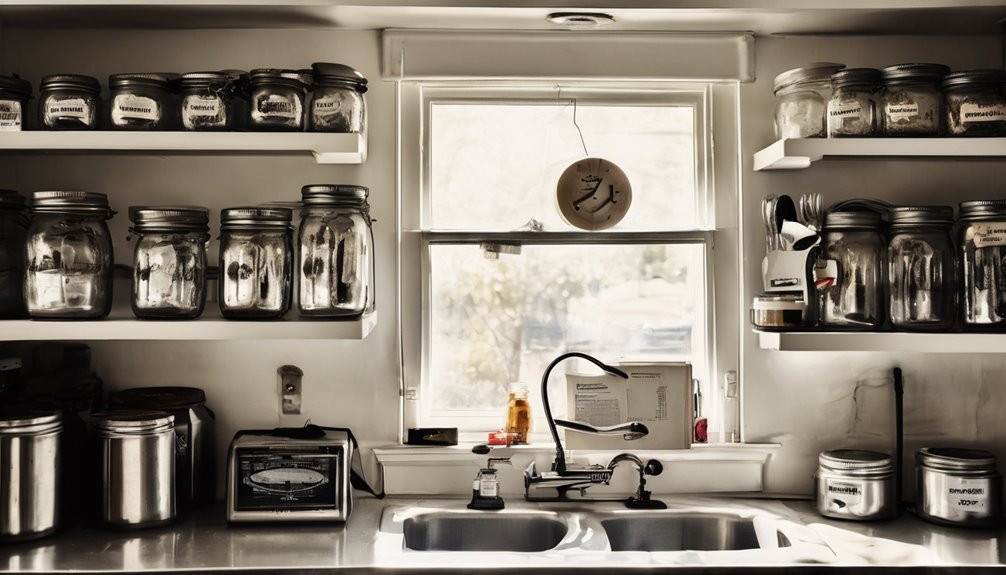
Could you fit more into a small kitchen without sacrificing accessibility? You can, with smart, compact storage that respects budget priorities. Use vertical shelving, magnetic strips, and modular bins to reclaim counter space. Rotate items seasonally, store infrequently used gear up high, and group by task to reduce rummaging. Choose clear containers to see contents at a glance, and label them for quick finds. Prioritize multi-use pieces: a cutting board that collapses, stackable moisture-safe bins, and a tension rod under shelves for lids. Optimize the workflow triangle: prep, cook, and store within arm’s reach. Tableware stays in slim, dedicated drawers. small space becomes organized, calm, and welcoming for every visit. Wall/Vertical | Hooks & Magnetic | Frees counter space; quick access
Cabinets | Stackable Bins | Maximize volume; visibility
Under-shelf | Clips & Rods | Lids, towels, utensils
Drawers | Dividers | Neat, easy reach
Compact storage gains and the system of vertical and modular solutions can help maintain accessibility while keeping costs in check.
Energy-Saving Kitchen Gear That Pays for Itself
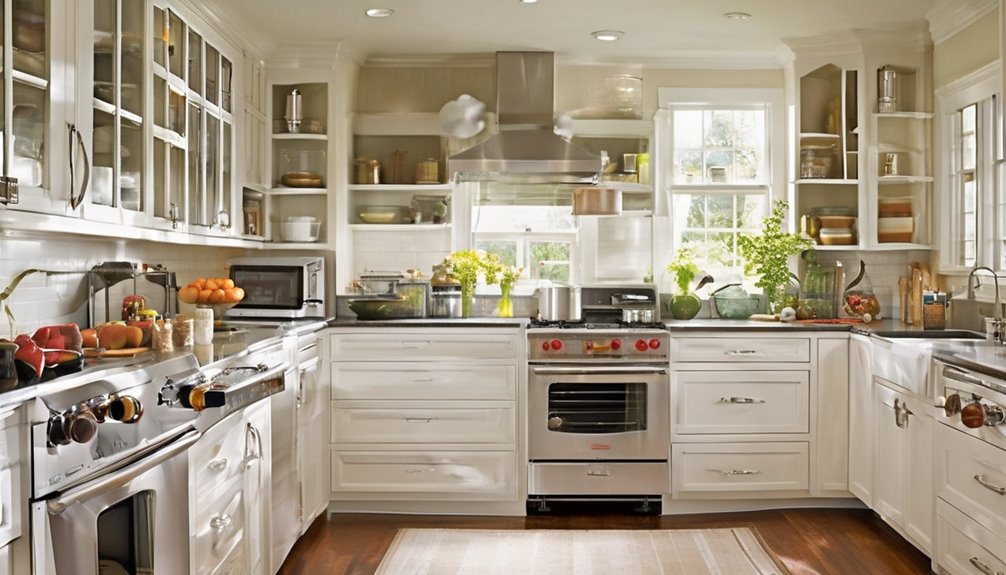
If you’ve already trimmed clutter and maximized space, the next smart win is energy-saving kitchen gear that actually pays for itself. For ongoing comfort and productivity, choose ergonomic support features that reduce strain during long sessions at the desk, such as adjustable lumbar systems and headrest options adjustable lumbar. Pair this with simple energy monitoring: a smart outlet or monitor lets you see what’s ghosting on—fridges, coffee makers, chargers—and optimize usage. Choose appliances with high efficiency ratings and real-time feedback, so you know when you’re saving. Create a routine: run the dishwasher only full, cook with lids, and preheat sparingly. By tracking consumption and tweaking habits, you’ll notice lower bills and a kitchen that feels belonging—efficient, calm, and purposeful. Your space works smarter, not harder.
Pantry Staples You’ll Actually Use on a Budget
Stock your pantry with staples you’ll actually reach for, not trendy extras you’ll waste. You’ll love building a small, versatile core: white rice, beans, oats, pasta, canned tomatoes, broth, and spices you actually use. Plan meals around these basics, then buy in sensible quantities to cut waste. Practice pantry budgeting by labeling purchases with a date and keeping a simple list of go-to recipes. Rotate staples regularly so nothing expires—set a monthly check to move older items to front and use them first. Track what you reach for weekly and remove items that rarely get used. This approach reduces clutter, saves money, and creates a shared, approachable cooking rhythm for your whole household through staple rotation. Regularly calibrate your shopping list to reflect changes in your routines and ensure the pantry remains aligned with your actual usage long-term reliability.
DIY Hacks to Extend Appliance Life and Efficiency
You can extend appliance lifespan and boost efficiency by adopting simple habits and quick maintenance routines. Keep trims, coils, and filters clean, run full loads, and stagger use to reduce strain on motors. These small, practical DIY hacks set up you for longer-lasting gear and lower energy bills. Additionally, choosing desks with anti-collision and memory presets can help minimize wear on motors and keep your setup organized over time high-load capacity
Extend Appliance Lifespan
To extend your appliance life and boost efficiency, start with simple, proactive habits that prevent wear and surprise breakdowns. Keep coils and vents clean monthly to maintain airflow and cooling performance. Use proper indoor temperatures and avoid overloading machines to reduce strain and energy use. Schedule regular filter checks and replacements so your unit runs smoothly without overworking. Manage cords and outlets to prevent heat buildup and accidental unplugging. Budget shortcuts by choosing energy-efficient models when replacing, and seal gaps to reduce cycling on cold and hot appliances. Clutter reduction in the kitchen keeps paths clear for maintenance and reduces accidental damage. By staying proactive, you’ll extend lifespan, save money, and feel part of a practical, like-minded group. Energy-Efficient practices can guide future replacements and ongoing maintenance.
Efficiency Through Habits
Ever wonder how small daily tweaks can noticeably boost your appliance life and efficiency? You’ll win with simple, repeatable actions that feel like part of your routine. Start with a steady budget for energy use and spare parts—no guilt, just clarity. Build an efficiency mindset by scheduling quick checks: wipe seals, clean coils, and run full loads only. Use instead of extra, choosing correct settings and avoiding high-heat modes for every task. Prioritize decluttering counters so appliances aren’t forced to work harder. Practice mindful preheating—only when needed—and unplug devices you’re not using. Pair these budget habits with mindful habits: label replacement timelines, track energy spikes, and reward consistency. Small, deliberate tweaks compound, reinforcing belonging to a smarter, more capable kitchen community. Energy efficiency guidance from the know-how of air-fryer models and core features can help you tailor your routines to healthier cooking with less oil and better results.
Maintenance DIY Hacks
Small tweaks at home keep appliances humming longer and costs down. You’ll extend life with simple, practical habits. Clean coils and vents monthly, use a soft brush, and vacuum dust from around every appliance’s backside. Check seals on fridges and dishwashers; a snug seal saves energy and prevents moisture woes. Replace filters on range hoods and AC units; it boosts airflow and efficiency. Schedule a quarterly maintenance routine, noting odd noises or vibrations and addressing them before they escalate. When you replace parts, opt for budget chisel-grade components for reliability without overspending. Embrace thrift cycling: repurpose spare hoses, bulbs, and shelves from around the house. Document updates, share tips with your household, and celebrate small wins as you sustain a well-running, budget-conscious kitchen. Also, consider selecting widely supported tools with durable builds and reliable warranties to minimize long-term replacement needs sturdy construction.
Multi-Use Tools That Cut Clutter and Cost
Multi-use tools save space and cash by replacing single-purpose gadgets. You’ll streamline drawers and reduce clutter by choosing versatile basics that pull double duty in the kitchen.
Table: Versatile Tools
| Tool | Use 1 | Use 2 |
|---|---|---|
| 1-Pot Cooker | steam veggies | simmer sauces |
| Silicone Lid | seal bowls | temp food cover |
| Scissors/Peeler | trim herbs | peel fruit |
| All-in-One Grater | zest cheese | grate chocolate |
How to Buy Refurbished or Open-Box Kitchen Gear
When you buy refurbished or open-box kitchen gear, start by inspecting before purchase to spot any wear or missing parts. Compare refurbished grades so you know what you’re getting and what it’s worth. Always verify warranty details so you’ve got protection if something goes wrong. Tilt-head designs can improve access and reduce handling effort on compact models tilt-head design and are worth noting when evaluating lightweight units.
Inspect Before Purchase
Before buying refurbished or open-box kitchen gear, inspect it thoroughly to avoid costly surprises later. You want honest wear, complete functionality, and a fair price aligned with budget priorities. Check exterior for dents, rust, and loose parts, then power on if possible to confirm motors, lights, and gauges respond smoothly. Test essential functions: blender blades, mixer beaters, or oven controls, depending on the item. Look for missing accessories or manuals, and note any cosmetic flaws that could escalate resale impact. Ask about return windows, warranty terms, and restocking fees before committing. Verify model numbers match listings, and confirm firmware or compatibility requirements aren’t obtrusive. Document flaws with photos, and compare against new prices to judge value. Trust your instincts, and walk away if something feels off. Consider the space-saving features like compact bowl sizes and tilt-head designs when evaluating value space-saving features.
Compare Refurbished Grades
How do refurb grades translate to value, and why should you care? Refurbished grades map condition to price, helping you decide what you’re comfortable buying. Start by checking the grading criteria the seller uses—these are your compass for quality expectations and future performance. You’ll usually see grades like Like New, Very Good, and Good; each signals cosmetic flaws, wear, and tested functionality. Don’t assume perfection; look for detailed descriptions of dents, scratches, and component refreshes. Compare two items with the same grade to spot hidden costs, such as missing accessories or limited return windows. Prioritize items with clear defect documentation and verified functionality tests. Use your budget to set a value ceiling, then choose the best-fit item that aligns with your kitchen needs and sense of belonging.
Verify Warranty Details
Warranty details matter—do you know what protections actually come with refurbished or open-box kitchen gear? You’re actively verifying, not assuming. Start with the retailer’s warranty page and any third-party guarantees. Look for warranty verification steps: how to register, what proof you need, and whether coverage extends to accessories or only the main unit. Note coverage limits, such as time frames (months or years), usage conditions, and exclusions for wear items or cosmetic flaws. Check if the policy requires professional installation or service from authorized centers. Keep receipts, serial numbers, and product photos handy. If something goes wrong, contact support fast and document symptoms. Prefer gear with transparent terms, straightforward returns, and clear replacement options to protect your frugal purchase.
Easy Maintenance Routines to Keep Costs Down
Want to keep costs down without sacrificing function? Start simple with easy maintenance routines you’ll actually stick to. Schedule a weekly quick audit: check expiration dates, purge spoiled items, and wipe shelves to prevent odors. Maintain a budget makeup approach—treat each dollar like a tool, not a souvenir—so you replace only what truly wears out. Keep your fridge layout ergonomic: store leftovers in clear, labeled containers and group by meal plan to minimize waste. Create a dedicated cleaning cycle: wipe surfaces after use, vacuum coils quarterly, and defrost if needed to boost efficiency. Use reusable, easy-to-clean organizers to reduce clutter and snag free space. Communicate routines with housemates to sustain shared responsibility and belonging.
Quick Ways to Cut Energy Without a Big Shopping Spree
Start with Energy-Saving Habits you can do today—small changes, big impact. Try quick, smart appliance tweaks like setting the fridge to optimal temps, using energy-efficient modes, and unplugging idle devices. Prep to reduce waste by batch cooking and proper thawing, so your oven and stove run less often and leftovers stretch further.
Energy-Saving Habits Quick
Looking for quick wins to cut energy without breaking the bank? You’ve got this. Small shifts add up, especially when you approach energy like a habit, not a chore. Start with a simple baseline: track usage, note peaks, and adjust routines. The goal is steady savings, not perfection. Try these practical moves:
- Schedule energy audits or a quick home check to spot obvious culprits.
- Use appliance coaching tips to run only essential devices during off-peak times.
- Stage brief power-downs: unplug chargers, turn off lights when rooms are empty, and dial down thermostats.
- Batch cooking and microwave reheats to reduce oven time, cutting both heat and energy waste.
Commit to these, feel included, and watch efficiency become second nature.
Smart Appliance Tweaks
Smart appliance tweaks can shave energy without a big spend. You’ll tune what you already own, not buy more gadgets. Set budget lighting in common areas to emit fewer watts and glow longer with higher efficiency. Use smart timers on lights and outlets to match your actual routines, so energy isn’t wasted when you’re away or busy. Tweak fridge habits by letting items rest a bit before opening and keep doors closed—every degree saved adds up. For heating and cooling, schedule minimal operation during work hours and rely on natural drafts in mild weather.
| Tip 1 | Tip 2 |
|---|---|
| budget lighting | smart timers |
| delay startups | stagger appliance use |
Prep to Reduce Waste
Prep to Reduce Waste means tightening how you use—and reuse—what you already have, so you waste less energy without buying more gear. By embracing budgeting basics, you track small saves and stay motivated, while strengthening waste awareness at home. You’ll find that smart habits beat excess clutter, every time.
- Audit what you own and plan reuse before buying.
- Batch tasks to minimize stove and oven usage, and leverage residual heat.
- Label leftovers and redesign storage to reduce spoilage.
- Prioritize multi-use tools and repurpose containers to cut waste.
Keep it simple, track results, and invite others to join. You’ll feel connected through shared thrift goals and practical gains, reinforcing belonging as you cut energy use together.
Build Today: Your Frugal Kitchen Upgrade Plan
Kick off today by mapping a simple upgrade plan: pick one small, high-impact improvement, set a realistic deadline, and track your progress in a notebook or notes app. You’ll feel part of a shared effort as you choose frugal prioritization and budget storage solutions that fit your space and wallet. Focus on a single change, then scale. Use the table below to visualize steps, deadlines, and outcomes, keeping everything tight and actionable.
| Step | Deadline | Outcome |
|---|---|---|
| Identify improvement | 1 week | Clear goal |
| Gather supplies | 2 weeks | On-hand items |
| Implement change | 3 weeks | Working system |
| Review & adjust | 4 weeks | Refined setup |
Frequently Asked Questions
How Can I Measure My Kitchen’s Underutilized Spaces Effectively?
You can measure your kitchen’s underutilized spaces by first noting each area, then using a tape measure to log width, depth, and height. Measure corners, gaps between appliances, and vertical nooks. For measuring spaces, record clearances for doors and drawers. Sketch a quick layout and label underutilized areas. Compare actual measurements to standard cabinet sizes, so you can plan practical, belonging-driven improvements that make you feel more organized and confident in your space.
What Small Upgrades Deliver the Biggest ROI in a Year?
An estimated 60% of tidy kitchen owners report faster cooking, so small upgrades matter. You’ll maximize ROI timing with simple changes: install energy-efficient LEDs, seal gaps, and add a magnetic knife strip. These Frugal upgrades boost usability now and save monthly. In a year, your ROI climbs as you cut waste and elevate flow. You’ll feel belonging by sharing wins, measuring progress, and rotating tasks—practical steps you can take today, together.
Which Countertop Organizers Save the Most Space and Money?
Compact shelving and modular bins save the most space and money. You’ll arrange tight corners with compact shelving, stacking vertical storage to free counter real estate. Pair it with modular bins for flexible organization, quickly resizing as needs change. You’ll see less clutter, simpler access, and fewer duplicate purchases. Choose neutral tones for a cohesive feel, invite others to share the system, and you’ll belong to a mindful, efficient kitchen community that values practical, budget-smart choices.
How Do I Track Appliance Energy Use Over a Month?
Tracking energy usage over a month is simple: note each appliance’s wattage, record daily run times, and log totals in a notebook or app. Start with one anecdote: your old fridge’s beep felt like a reminder to check the meter, and you saved $12 that month. Use tracking energy usage, monthly measurement, then adjust habits. You’ll feel part of a shared effort, practical, and welcome in this thrifty, supportive community.
What Is the Fastest Way to Declutter a Busy Kitchen?
To declutter fast, you start now: clear a wide, reachable space, grab a bin, and sort items into keep, donate, and trash. Use efficient sorting: separate duplicative gadgets, expired foods, and worn-out tools first. Handle one category at a time, keep only what truly serves you, and group similar items. Keep a five-minute timer, reassess daily, and invite others to join for accountability and belonging. You’ll finish quickly and feel lighter, more connected.