
You’ll slash your energy costs fast by identifying your top bills, choosing budget-friendly, high-efficiency appliances, and tightening habits that keep your home running lean. Start by tallying last year’s energy use to spot your biggest costs, then pick ENERGY STAR gear with a 2–5 year payback and low idle wattage. Run full loads, schedule steady temps, and unplug standby devices. Stick to this plan and you’ll see real savings—and you’ll unlock more practical tips as you go.
Key Takeaways
- Identify top annual energy costs by reviewing 12 months of bills and categorize by heating, cooling, appliances, and lighting.
- Set a realistic monthly savings target and display it where all household members can see it.
- Prioritize ENERGY STAR appliances and compare annual energy use against purchase price for 2–5 year payback.
- Ensure new appliances fit available space and outlets, and pair with existing home systems for efficiency.
- Adopt efficient habits: full loads, consistent thermostat schedules, off-peak task shifting, and unplugging standby devices.
Identify Top Energy Bills and Set a Savings Target
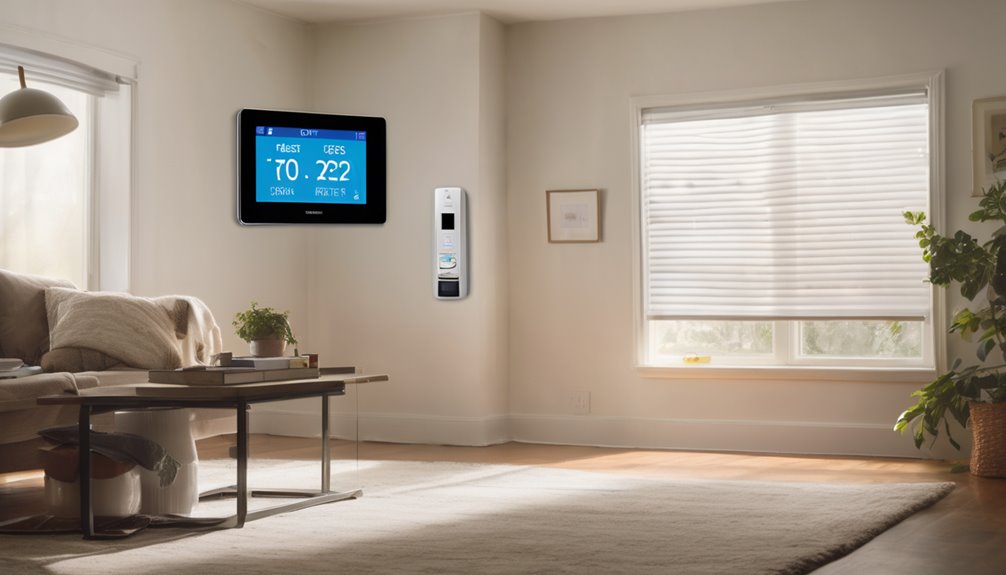
Comprehending your energy use begins with the basics: identify your top energy costs so you know where to save. Start by reviewing utility bills for the last 12 months and tallying monthly totals by category—heating, cooling, appliances, lighting. You’ll see patterns you can act on. Track identifying peak usage times, especially on hot or cold days, so you know when the bill spikes. Then set realistic, measurable aims: setting monthly savings targets that align with your household rhythm. Place a simple target on your fridge or wall and celebrate small wins as you cut waste. Share the plan with your household to build accountability and belonging, so every member feels invested in a calmer, more efficient space.
Choose Budget-Friendly Appliances by Efficiency and Payback
Now that you’ve identified your top energy costs and set a savings target, it’s time to choose budget-friendly appliances by efficiency and payback. Start with the essential: look for ENERGY STAR or similar labels, and compare annual energy use to purchase price. Prioritize refrigerators, washers, and thermostats that deliver measurable savings within two to five years. Note the upfront cost versus long-term gains, and factor in replacement cycles. Choose models with lower operating wattage, smart features that cut idle use, and reliable performance reviews. Plan for compatibility with your space and existing outlets to avoid extra installation costs. This approach keeps your home budget friendly, while maximizing appliance efficiency and meaningful, tangible savings. Energy efficiency ratings help you assess long-term value alongside upfront costs.
Optimize Habits and Layout for Maximum Energy Savings

Could you be squeezing more savings just by changing how you use energy at home? Small tweaks add up. Start with routines: run full loads, set a consistent thermostat schedule, and manage hot water by shortening showers and fixing leaks. Name your high-usage times and shift tasks to off-peak hours where possible. Organize rooms to support space optimization—keep doors open in living zones to reduce heater work, close off unused spaces, and use draft blockers at doors and windows. Use unplugged standby awareness: switch off devices not in use, and group electronics by purpose to reduce idle draw. Track energy use week by week to spot trends. As you implement these habits, you’ll notice how selecting efficient appliances and tools with precise controls—like gooseneck kettles and other precision devices—helps you maintain comfort while lowering energy draw Precision heating. With intentional habits, you’ll onboard like-minded neighbors and feel part of a smarter, more efficient community.
Frequently Asked Questions
How Can I Track Monthly Energy Usage Accurately at Home?
To track monthly energy usage accurately, start with real time monitoring using tracking meters on your main breakers and smart plugs on key devices. Use an energy dashboard to visualize trends, then compare month to month. Keep a simple log of appliance usage and adjust habits. Set alerts for spikes and review weekly. This helps you belong to a community aiming to save, understand, and optimize your home’s energy together.
What Grants or Rebates Are Available for DIY Upgrades?
You can access grants rebates for DIY upgrades by checking federal, state, and utility programs that support energy efficiency. Start with the Database of State Incentives for Renewables and Efficiency (DSIRE) and your utility’s rebates page. Budget for insulation, efficient appliances, and smart thermostats, then apply for relevant grants rebates. Document energy savings as you go, share your progress with neighbors, and join local climate or energy-saving groups to stay motivated and feel part of a community.
Which Low-Cost Improvements Yield the Fastest Payback?
Ever wondered which low-cost improvements yield the fastest payback for your home? You’ll start with insulation basics, sealing air leaks, and then LED lighting conversions to cut costs quickly. You get comfort, value, and a sense of belonging as neighbors notice your efficiency. Track payback weeks, install weatherstripping, and swap bulbs in stages. With consistent tweaks, you’ll see faster returns, lower bills, and a more sustainable home you’re proud to share.
How Do Weather Patterns Affect Annual Energy Savings?
Weather patterns shape your annual energy savings by changing heating and cooling needs. When winters are harsher or summers longer, you’ll see higher usage; milder seasons boost days with natural comfort. To maximize energy savings, tune systems seasonally, seal gaps before peaks, and use programmable controls. Track monthly bills to spot changes, and adjust curtains, vents, and insulation accordingly. You’ll feel more in control and belonging as you adapt to local weather, optimizing comfort without wasting energy.
Are There Seasonal Maintenance Tasks I Should Schedule?
Yes—you should schedule seasonal maintenance now. Create a yearly calendar for seasonal maintenance, scheduling tasks like inspecting insulation, testing detectors, cleaning filters, and checking HVAC performance before peak demand. Prioritize routine seasonal maintenance windows, set reminders, and book professionals for annual tune-ups. By sticking to a planned schedule, you’ll save energy, prevent costly repairs, and feel confident in your home’s reliability and comfort. This routine helps you belong to a proactive, energy-conscious community.