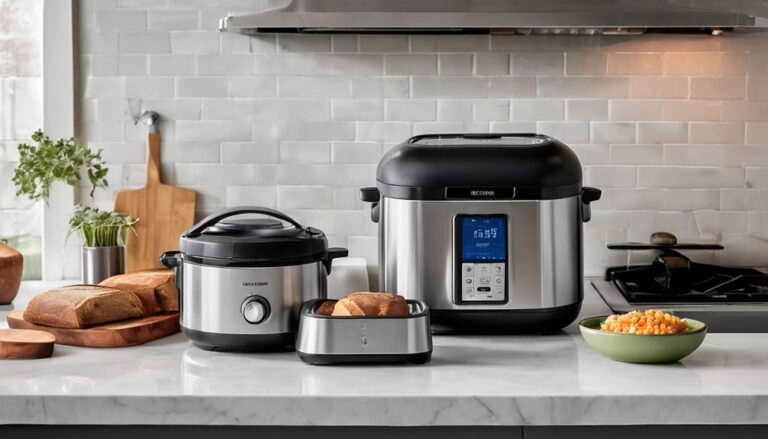
You’ll find practical, budget-friendly picks that emphasize real-world energy savings, durability, and simple maintenance. Prioritize models with strong energy-star ratings, low standby drain, and predictable performance, from compact kitchen appliances to efficient refrigerators and laundry machines. Look for real-world energy data, smart timers, LEDs, and easy-to-service parts. Schedule high-draw tasks off-peak, run full loads, and unplug idle devices to trim costs. If you want more practical guidance, you’ll uncover concrete categories and quick wins further ahead.
Key Takeaways
- Prioritize energy star-rated appliances with real-world operating costs, not hype, to maximize savings on a budget.
- Choose compact, low-draw models with durable parts and simple maintenance for long-term value.
- Schedule high-energy tasks off-peak and run full loads to maximize efficiency across appliances.
- Focus on standby power reduction, LED components, and straightforward controls to minimize phantom drain.
- Verify savings by tracking usage and bills, using baseline comparisons and low-cost verification methods.
What Counts as an Energy-Saving Appliance on a Budget
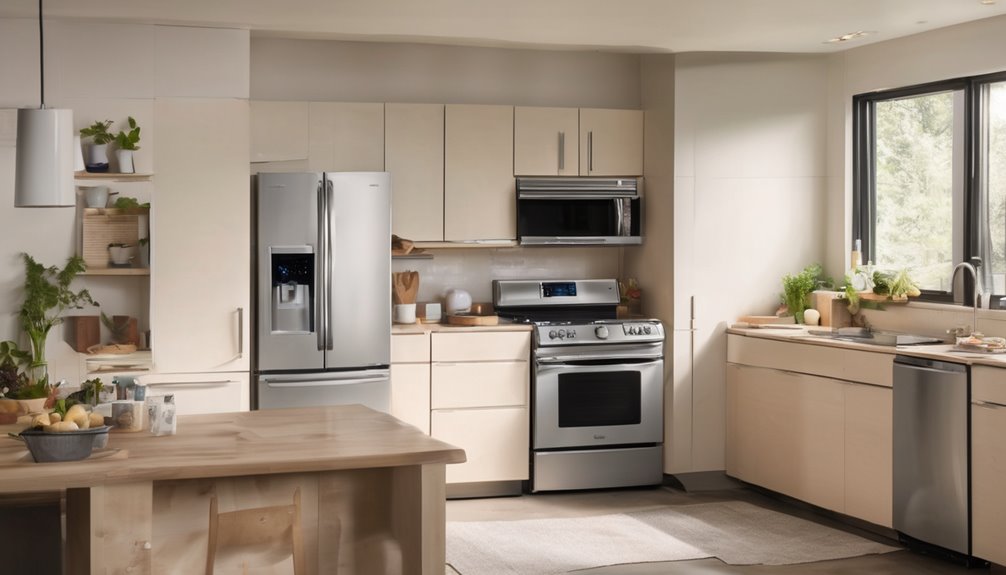
So, what counts as an energy-saving appliance on a budget? You’re looking for efficiency without overspending, so focus on measurable savings rather than hype. Start with energy star ratings, then compare annual operating costs, not just sticker prices. Look for compact models with sensible load sizes for your space, and prioritize appliances with durable components and simple maintenance. Consider standby power, cycle efficiency, and predictable performance across typical use. Budget myths can skew choices, so verify claims with independent tests or user reviews. Also check appliance warranties—longer coverage reduces future costs and gives confidence in durability. By prioritizing proven efficiency, sensible capacity, and solid support, you’ll build a practical, inclusive plan that aligns with both budget and lifestyle.
Refrigerators That Cut Energy Use Without Extra Cost
Better energy savings can start in the fridge without higher upfront costs by focusing on practical, no-cost shifts in how you use and maintain it. You’ll notice lower energy use when you keep your fridge at the recommended temperature, organize contents to avoid overpacking, and minimize door openings. Simple habits, like planning meals and letting leftovers cool before refrigerating, reduce compressor run time. Regularly clean coils and seals to prevent inefficiency, and check for frost buildup that can force extra cooling. This approach fits a budget friendly mindset and supports energy auditing by tracking changes and results over time. With these habits, you create a shared sense of responsibility and belonging while achieving measurable, ongoing savings without extra purchases. Damaged seal can compromise efficiency, so inspect and replace as needed to maintain optimal performance.
Efficient Dishwashers and Laundry Machines on a Budget
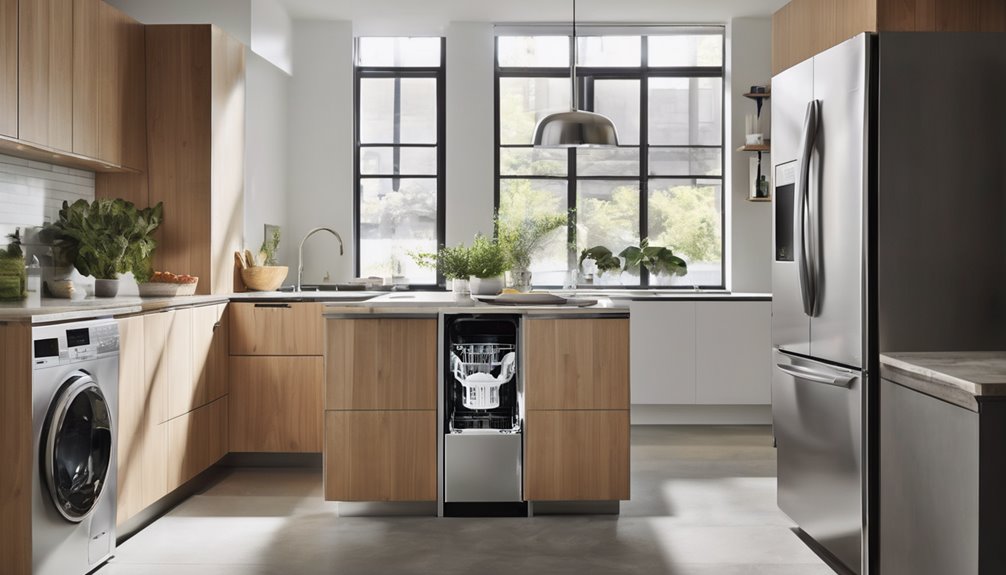
You can start saving with dishwashers and laundry machines that offer energy-saving wash cycles without costing a fortune. Look for models with appropriate cycle options, efficient water use, and solid star energy ratings to maximize long-term savings. In this budget-conscious guide, we’ll compare affordable options and practical tips to get reliable performance without overspending. Additionally, prioritize appliances with auto shut-off and keep-warm features to minimize energy use during idle times hold-time efficiency.
Energy-Saving Wash Cycles
Are energy-saving wash cycles worth the investment for budget-conscious homes? You’ll find benefits in measurable savings and reliable performance. Energy-star labeled cycles often adjust water use, temperature, and duration to match load size, so you aren’t paying for wasted resources. In dishwashers, pre-rinsing minimally, loading correctly, and selecting eco modes can preserve cleaning power without extending cycle times unnecessarily. In laundry machines, choosing appropriate soil levels and load weights improves wash efficiency without compromising results. The promise is steady performance with lower utility bills, not gimmicks. Focus on two word discussion ideas about Subtopic: washing efficiency, cycle optimization. Compare models with real-world energy usage data, reliability ratings, and user-friendly interfaces, ensuring you feel confident choosing solutions that fit your household rhythm and budget. 300 lb capacity
Budget-Friendly Appliances Options
A practical approach to budget-friendly kitchen and laundry upgrades focuses on efficient dishwashers and laundry machines that balance performance with cost. You’ll find solid options that save water and energy without sacrificing cleaning power. Prioritize models with credible energy ratings, good reliability, and flexible load sizes that fit your routines. When shopping, compare initial price against maintenance needs and expected operating costs over time. Be mindful of budgeting pitfalls, like oversized capacity for your space or chosen cycles that consume unnecessary energy. Warranty considerations matter: verify coverage length, parts availability, and easy access to service. Read reviews on real-world performance, not just spec sheets, and look for in-store demos. Two additional factors to consider are the long-term durability of the essential components and how calibration or setup may affect routine use (reliability and maintenance). With careful selection, you can upgrade confidently while strengthening your sense of belonging to a thoughtful, value-conscious household.
Budget-Friendly Low-Draw Kitchen Appliances: What to Buy
When aiming to cut energy costs in the kitchen, choosing budget-friendly, low-draw appliances can make a real difference without sacrificing performance. You’ll want compact, efficient models that fit real-life routines, not just idealized kitchens. Prioritize devices with real-world energy use data and reliable build quality. In practice, look for LEDs, smart timers, and simple thermal regulation that reduce standby drain. Prioritize essential functions, avoiding gimmicks, so you stay within budget while still meeting daily needs. A good approach is to compare wattage and energy ratings across categories like coffeemakers, microwaves, and small blast chillers. Seek universally compatible accessories and spare parts to extend lifespan. With deliberate choices, you’ll feel a sense of belonging in a thoughtful, energy-conscious community—budget friendly, low draw, and confidently efficient. Energy efficiency data
Smart Loads: Save Energy by Using Appliances Efficiently (Step-by-Step)

You can optimize daily use and make the most of smart timing adjustments to cut energy without sacrificing convenience. By choosing when to run high-draw appliances and spreading workloads, you’ll see steadier bills and improved comfort. We’ll walk you through practical steps to implement these smart-load habits, with clear, consumer-focused guidance.
Optimize Daily Use
Smart loads can dramatically cut energy use by coordinating appliance use with the times when electricity is cheapest or most abundant.
When you optimize daily use, you reduce waste and stretch your budget without compromising comfort. You’ll learn practical habits that fit into everyday life, debunking appliance myths and supporting energy budgeting with clear choices. By prioritizing essential tasks, you avoid peak-demand spikes and lower your bills while maintaining reliability and convenience. This approach invites a sense of belonging, showing you share a common goal with mindful households.
- Schedule laundry for off-peak hours to minimize costs
- Run full loads every cycle to maximize efficiency
- Use cold water settings when possible for fabrics
- Unplug idle devices to trim phantom draw
- Batch cooking to reduce oven heat days
Leverage NSF-certified gooseneck kettle features when choosing small appliances to ensure safety and long-term performance while you optimize energy use.
Smart Timing Adjustments
What makes timing adjustments so effective? You get more from the same appliances by aligning usage with efficiency windows and predictable energy pricing. Smart thermodynamics helps you forecast demand, cooling and heating cycles, and appliance duty cycles, so you waste less energy. Budget timing means you run high-load tasks during off-peak hours or when renewables contribute more, saving money as you build a steadier bill. Use simple scheduling, load shifting, and preset durations to avoid standby drain. Below is a quick visual guide:
| Task | Optimal Timing |
|---|---|
| Laundry | Off-peak mornings |
| Dishwasher | Post-meal hours |
| Water heater | Late night |
| Oven | Pre-dinner preheating on weekends |
| AC/Heat | Day/night presets |
Incorporating load shifting into daily routines can further smooth demand and enhance appliance efficiency across the home.
Lighting Upgrades That Save Money Fast: LED Basics You’ll Use
Are you getting the most from your lighting budget? LED basics guide you toward smarter choices that fit a shared, practical approach to home comfort. By focusing on two word topic ideas: lighting upgrades, energy basics, you’ll evaluate efficiency, color, and fit without sacrificing vibe. You’ll notice immediate savings from lower watts, longer lifespans, and fewer replacements, while keeping rooms welcoming and cohesive. This overview stays consumer-focused and clear, avoiding hype while helping you compare fixtures, temperatures, and dimmability. Thoughtful upgrades can harmonize with existing decor, support task lighting, and boost resale appeal. Shortlists and checks help you act confidently, not overwhelmed. Energy basics emphasize the value of understanding total cost of ownership alongside upfront price.
Power-Saving Habits That Extend Appliance Life
You can extend your appliances’ life by adopting smart usage practices and sticking to recommended settings. Small, consistent habits—like avoiding extreme temperatures, giving devices breathing room, and scheduling timely maintenance—help prevent wear and tear. Focusing on efficiency today set you up for reliable performance and lower long-term costs. Regularly monitor energy-rated options to maintain optimal operation and preserve longevity energy-efficient designs.
Extend Appliance Lifespan
Prolonging appliance life comes down to smart, consistent habits that protect performance and cut replacement costs. Schedule regular cleanings and simple checks. Use manufacturer’s guidance for cycles and settings. Avoid extreme temperature swings and overloading. Keep vents clear and surfaces dust-free. Monitor performance and address minor glitches early. Induction-ready design concepts from the heavy-duty kettle discussions show the value of using equipment that distributes heat evenly and reduces stress on components induction-ready design.
Smart Usage Practices
Smart Usage Practices build on keeping appliances well-maintained by making energy-saving habits a default. You’ll extend life and save more when you incorporate simple routines: clean filters regularly, schedule maintenance reminders, and avoid overloading devices. Practice energy budgeting by setting clear limits on consumption for each appliance and tracking progress weekly with a friendly, shared system. Use usage monitoring features to detect unusual spikes, adjust settings, and switch off idle modes. Prioritize routines that fit your household rhythm, so sustainable choices feel natural, not punitive. When you understand how minor tweaks affect performance, you’ll feel connected to a community that values efficiency. These practices nourish reliable operation, lower costs, and lasting comfort, reinforcing a sense of belonging among energy-conscious households.
How to Verify Energy Savings Without a Big Investment
There are simple, low-cost ways to verify energy savings without a big investment, so you can confirm results before committing to major changes. You’ll track real usage, compare before-and-after bills, and trust your senses over irrelevant chatter or off topic tangents. Precision beats guesswork, and small benchmarks help you stay grounded in reality. You’ll set a baseline with your current appliance, then measure similar usage after changes, like timing cycles or adjusting settings. Look for consistent reductions over a full billing period. Document results, note any external factors, and repeat tests to confirm patterns. If savings feel real, you’ll feel part of a mindful, budget-conscious community.
- Baseline bill and usage snapshot
- Controlled setting adjustments
- Full-cycle comparison
- External factor notes
- Repeatable verification plan
Top Affordable Energy-Saving Appliances by Category
Looking for real, affordable ways to cut energy use? In this section, you’ll find top energy-saving appliances by category, chosen for practical value and performance. Refrigerators, dishwashers, and laundry machines are examined for efficiency ratings, operating costs, and real-world impact. You’ll notice models that balance size, features, and long-term savings, helping you avoid wasted energy without sacrificing daily convenience. When selecting, consider not just upfront price but cycle efficiency, standby consumption, and maintenance needs. We also weigh climate impact and material sourcing, highlighting brands that pursue recyclable components and ethical sourcing. This buyer-focused guide aims to empower you to make informed choices that fit your home, budget, and values, fostering belonging through smarter, more sustainable everyday living.
Quick-Start Checklist to Build an Energy-Efficient Kitchen on a Budget
Curious how to start saving energy in your kitchen without breaking the bank? You’ll find practical, affordable steps that fit real life. This quick-start checklist helps you prioritize efficiency without overwhelming your budget. Focus on small changes with measurable impact, and choose solutions that feel like a natural fit for your routines.
- Upgrade to efficient lighting and smart plugs to cut idle energy
- Seal gaps around doors and drawers to reduce heat loss
- Pick ENERGY STAR appliances when replacing, favoring two word ideas, two word ideas
- Use timers and load-management to avoid peak usage
- Create a simple maintenance routine for seals, coils, and filters
With these essential, you’ll build a shared sense of belonging through smarter, savings-driven habits.
Frequently Asked Questions
How Do I Compare ENERGY STAR Ratings on a Budget?
To compare Energy Star ratings on a budget, start by learning how to read energy labels and focus on annual energy costs, not just star counts. Look for the product’s Annual Energy Use and estimated operating costs on the label or spec sheet. Use budget-friendly comparison tips: rate per dollar saved, check running vs standby costs, and prioritize items with higher efficiency for your functions. This helps you feel confident, connected, and included in smart purchases.
Can Small Appliances Save More Energy Than Larger Ones?
Yes, small appliances can save as much or more energy per use than larger ones, but it depends on usage and efficiency tradeoffs. You’ll benefit from choosing tiny appliances with solid efficiency ratings and avoiding constant running. Remember that cumulative small-device use matters, so plan when you use them. By balancing performance and energy, you’ll feel confident, connected, and like you belong in a smarter, greener home.
Are Off-Brand LEDS as Energy-Efficient as Premium Brands?
Yes, off-brand LEDs can be as energy-efficient as premium brands, but you should check the specs. Look for LED longevity, lumens per watt, and a good warranty. Compare energy efficiency labels, and read reviews about real-world performance. Premium brands often offer consistent quality, yet many off-brand LEDs meet standards and deliver comparable efficiency. If you value belonging, choose widely supported options and verify compatibility with your fixtures.
What Hidden Energy Costs Should I Watch For?
Hidden costs can quietly creep in, so you should watch for standby power, inefficient chargers, and long-term maintenance needs. Keep energy budgeting simple by tracking monthly usage, appliance age, and repair frequency. You’ll notice patterns, not surprises, when you review meters, schedules, and peak hours. Invest in efficient models, and you’ll save more than you spend. You’ll feel secure, welcomed, and confident as you shrink waste and share smarter choices with your community.
Do Smart Plugs Reliably Reduce Standby Power Use?
Yes, smart plugs can reliably reduce standby power, especially when you unplug unused devices or schedule auto-offs. They’re most effective for items with phantom draws or lights that stay on. Use energy monitoring to track real savings and compare costs across models to guarantee payoff. Do a cost comparison over several months to confirm value. You’ll feel more confident joining the community of mindful, energy-conscious homeowners who share tips and support each other.