Here are 7 frugal, efficient kitchen upgrades you can tackle today: set clear goals for time, money, and waste; compare Energy Star ratings with true annual costs; choose upgrades by impact, budget, and payback; adopt habits like batch cooking, planned meals, and running full loads; consider new, refurbished, or second-hand appliances for value; use space-saving tools and modular storage; plan a stepwise ROI-driven path. Stay tuned for practical steps and smarter choices you can implement now.
Key Takeaways
- Prioritize high-impact, low-cost upgrades (seal leaks, smart power strips, LED lighting) to boost efficiency quickly.
- Use energy-star rated appliances or upgrades with clear payback timelines to justify costs.
- Implement space-saving organization (adjustable shelves, stackable cookware) to maximize small-kitchen efficiency.
- Adopt batch cooking, lids, and planned meals to reduce energy use and waste.
- Monitor progress with simple metrics (monthly savings, reduced waste) and celebrate quick ROI milestones.
Define Your Kitchen-Efficiency Goals (Budget, Time, Waste)
Setting clear kitchen-efficiency goals is your first win: decide what you want to save on, whether it’s time, money, or waste, and set concrete targets for each. You’ll frame your plan with budgeting basics, so every choice feels purposeful rather than impulsive. Map out how you’ll measure progress: minutes shaved from daily routines, dollars saved on groceries, and pounds of scraps reduced. Then align decisions with energy labeling insights, prioritizing appliances and adjustments that deliver real, visible gains. Smart temp labeling can help you compare kettle efficiency and performance before purchasing, ensuring you pick tools that fit your goals. Communicate these targets with your household to foster belonging and accountability. Revisit monthly, celebrate small wins, and adjust as needed. The result is a practical, cost-conscious pathway that keeps you motivated and united around a shared goal: smarter, leaner kitchen routines.
Compare Energy Star Ratings and Costs for Real Savings
Ever wonder how much energy ratings really matter when you’re upgrading on a budget? You’re not alone. Energy Star ratings help you compare efficiency, but real savings show up when you look at cost per year, not just labels. Focus on appliance usage, local electricity costs, and maintenance needs to gauge true value. Higher upfront prices can pay off, but only if the annual savings exceed the delta. Use this quick guide to weigh options against your budget and space. In addition, selecting an model with robust app support can help you optimize usage patterns and further reduce energy waste energy efficiency benefits.
Set Evaluation Criteria: Impact, Budget, and Payback
Set your evaluation criteria by defining clear impact metrics, so you know what changes actually move the needle in your kitchen. Align your choices with your budget constraints, prioritizing options that fit within your spending plan while delivering meaningful improvements. Use a payback timeframe guide to compare cost savings and determine which upgrades are worth the investment now versus later. Incorporate 24/7 durability considerations to ensure long-term reliability for continuous use in demanding environments 24/7 use rating.
Define Impact Metrics
Defining impact metrics is about choosing clear, measurable yardsticks for your kitchen upgrades: impact, budget, and payback. You’ll map outcomes to real actions, not vibes, so your decisions stay grounded. Start with impact: quantify energy savings, ease of use, and durability, then tie them to a retrofit score you can track over time. For budget, set upfront limits and expected operating costs, noting where even small saves compound. Payback isn’t just time; it’s confidence that the change earns its keep. Use an energy test to verify claims and compare options fairly. Document criteria in a simple scoring sheet, so your family can rally behind practical choices. With defined metrics, you belong to a planning community that values smart, affordable progress. A measured approach helps you compare models like high-power blenders and all-in-one units, ensuring the chosen upgrade fits both your energy goals and budget constraints impact assessment.
Budget Alignment Criteria
So how do you align budget with impact and payback when upgrading your kitchen? You map budget alignment to each upgrade by clear cost analysis, prioritizing high impact with modest spend. Set a cap on upfront costs, then compare long-term savings and usability. Keep everyone in the loop so your crew feels included and supported. Use simple metrics: upfront price, operating cost, and resale value. This helps you choose options that fit your values and your wallet, without sacrificing function. For reference, consider how professional-grade immersion circulators balance capacity, temperature precision, and durability when planning upgrades capacity and durability to ensure you select units that remain reliable under heavy use.
Payback Timeframe Guide
To gauge how quickly upgrades pay back, you’ll want clear criteria that map Impact, Budget, and Payback to each option. You’ll compare effective frugal swaps, upfront costs, and ongoing energy savings, then position them by tangible payback windows. Consider Impact: how much energy or time the upgrade saves, and how it changes daily routines. Budget: total cost, financing, and any resale value or rebates. Payback: time to recoup expenses through savings, plus reliability and maintenance. Favor options with shorter payback, but don’t ignore long-term resilience or ease of use. This guide helps you choose confidently with neighbors’ nods and shared tips. Practical choices that fit your kitchen rhythm foster belonging, while trimming waste and boosting energy savings. Lumbar support focus and the way posture influences daily efficiency are important factors to consider when selecting upgrades for long-term comfort and productivity.
Adopt Everyday Habits to Cut Kitchen Energy Use Today
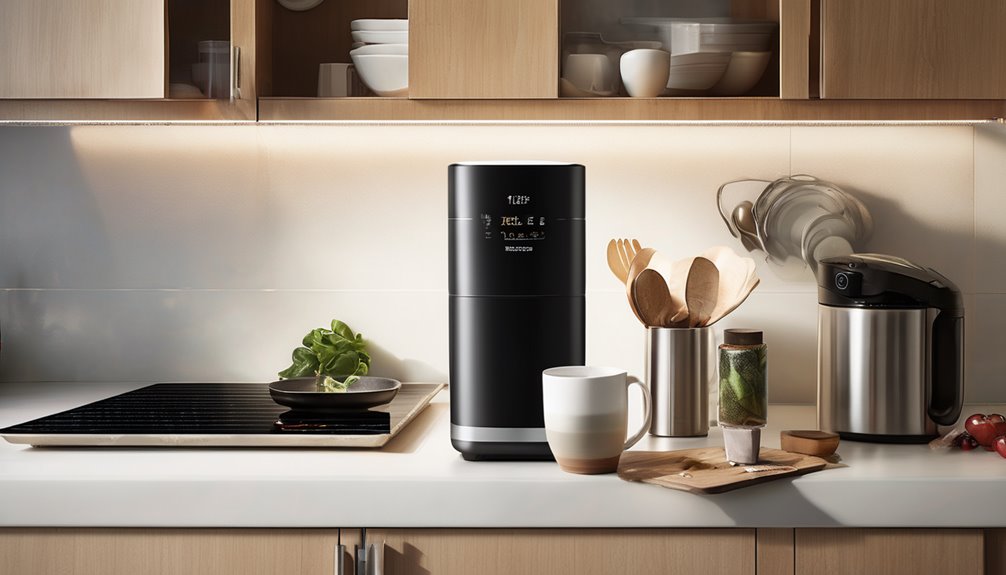
If you’re looking to trim energy use without sacrificing convenience, start with simple daily habits that add up fast. You’ll save cash and feel part of a shared effort to keep the kitchen efficient. Make a habit of planned cooking, batch meals, and using lids to keep heat in. When you preheat, do it briefly and only for needed dishes. Use smart power strips and unplug idle appliances, because standby draws matter. Run full loads on dishwashers and laundry, and air-dry when possible. Choose energy-aware settings on fridges and ovens, and keep coils clean for better performance. Be mindful of eco friendly myths and celebrate appliance glow ups that genuinely cut usage, while embracing small, achievable wins together. Research how dual-motor desks maintain stability and reduce wobble to keep workstation energy use efficient.
Choose Between New, Refurbished, or Second-Hand Appliances
Sure—when you’re outfitting a frugal kitchen, choosing between new, refurbished, or second-hand appliances hinges on cost, reliability, and energy use. You’ll weigh upfront price against long-term upkeep, but you’re not trading simplicity for savings. Consider your daily routines: a reliable model with solid energy ratings reduces bills and hassle. If you’re curious about options, you’ll find sensible paths in new appliances that come with warranties, balanced by refurbished options that meet performance standards at a lower cost. For ultra-tight budgets, second-hand finds can work well when inspected and tested. Prioritize energy efficiency, measurement of space, and compatible dimensions. In the end, you belong to a practical community that values value, accountability, and thoughtful purchases over impulse buys. Windows can aid in monitoring progress without opening the appliance, helping you maintain heat and efficiency over time.
Space-Saving Kitchen Upgrades That Save Money and Room
Have you ever room-packed a kitchen without sacrificing function? You can maximize space and keep costs low by prioritizing compact, multi-use tools and smart layouts. Start with adjustable shelving and under-cabinet organizers to unlock vertical real estate, then swap out bulky items for space-saving alternatives that still perform. Choose modular containers, stackable cookware, and compact appliances that suit your daily routines. Opt for refurbished or second-hand pieces when they meet safety and warranty needs, boosting space savings without hunting for new. Maintain a clear workflow: prep, cook, clean in a tight loop so every inch earns its keep. This approach emphasizes space savings and has a measurable budget impact, helping you belong to a thrifty, practical community that values function over excess. 50,000 lift cycles
Plan a Stepwise Upgrade Path With ROI in Mind
Start with smart investments that boost value without breaking the bank, and map out which upgrades offer the quickest payback. Prioritize options that deliver fast ROI, so you can fund the next phase without guessing. Plan upgrades in clear phases, timing each step to correspond with savings and budget reality.
Plan Smart Investments
Smart planning sets the stage for big savings, so map out a stepwise upgrade path with ROI in mind. You’ll want to align each purchase with your real needs, not hype. Start by clarifying upfront costs and expected benefits, then schedule improvements that compound over time. Prioritize durable, versatile tools that reduce waste and energy use, so every dollar earns you more utility. You’ll compare options through total cost of ownership, not just sticker price, and you’ll track payoff milestones to stay motivated. Involve household members in decisions to reinforce a shared goal of belonging and smart stewardship. Sketch a lightweight calendar: implement a high-impact upgrade now, test results, refine next steps, and reuse or repurpose where possible. Your thoughtful, phased approach keeps budgets steady and kitchen thriving. Gooseneck durability and precise pouring details can influence long-term satisfaction and reduce waste by improving extraction consistency.
Prioritize Quick ROI
Prioritize Quick ROI by mapping a clear, stepwise upgrade path that delivers tangible value fast. You’ll focus on small, high-impact moves first, then scale up as savings accumulate. Begin with energy audits to identify where waste hides and quantify potential gains; this keeps you grounded and invested in real results. Next, tighten your appliance budgeting by replacing only the most energy-hungry devices or upgrading seals and settings on existing units. Choose budget-friendly, well-reviewed models when replacements are necessary, but don’t overspend on features you won’t use. Build a 12- to 18-month plan that alternates between efficiency tweaks and resale-friendly upgrades. Track monthly savings, celebrate quick wins, and adjust the timeline as you gain confidence. Belonging grows as progress becomes visible and shared.
Phase Upgrades Timely
Phase upgrades timely means laying out a clear, stepwise plan that keeps ROI in sight whereas you tighten up the kitchen’s efficiency. You map milestones, prioritizing tasks with the biggest energy impact first, then layer in smaller wins as funds allow. Think energy efficiency gains from airtight doors, efficient lighting, and smarter thermostats as the foundation you’ll ride toward ongoing savings. Use budget planning to set a realistic calendar, assign costs, and forecast payback لكل upgrade. Schedule upgrades during off-peak months to minimize disruption and maximize contractor value. Communicate timelines with household members so everyone feels included. By framing each phase around concrete savings, you create a shared path to a more economical kitchen that still feels like home.
Frequently Asked Questions
How Long Until This Upgrade Pays for Itself in Energy Savings?
What’s the payback period for this upgrade? It depends on your energy savings, but you’ll typically recoup the cost within a year or two if you’re careful with usage. You’ll notice steady energy savings adding up, and that feels good, right? This is a practical choice for budget-minded folks who want value and belonging. Track your energy savings month by month, compare to the upfront cost, and you’ll see the payback period clearly.
Which Kitchen Upgrade Yields the Best ROI for Small Budgets?
The best ROI for small budgets is upgrading to LED lighting and a downloadable smart thermostat, plus sealing leaks. You’ll save on electricity and lower heat loss, stretch every dollar, and feel smarter at home. Start with LED bulbs in high-use spots, then weather-strip doors and windows. These changes fit tight budgets, create a sense of belonging in a smarter space, and prove that practical upgrades pay back while you’re still budgeting carefully.
Are There Hidden Maintenance Costs After Energy-Efficient Choices?
Yes—there can be hidden costs and ongoing maintenance after energy-efficient choices. You’ll want to budget for filter replacements, potential appliance recalls, and periodic servicing. During you save on usage, expect occasional repairs or parts upgrades. Track warranties, read manuals, and set aside a maintenance fund. By staying proactive, you keep costs predictable, avoid surprises, and feel you belong to a community that plans ahead and looks out for every dollar.
Can DIY Improvements Outperform Professional Installations in Savings?
Yes, DIY improvements can beat professional installations in savings, but watch for DIY pitfalls. You’ll save on labor now, yet missteps can cost you later. If you’re handy, you might pull off upgrades that pay off, but consider professional perks like warranties and code compliance. A balanced approach fits best: handle simple tasks yourself, reserve complex jobs for pros, so you belong in a smarter, budget-conscious kitchen community.
What Is the Best Sequencing to Upgrade Appliances for Efficiency?
Start with the big efficiency gains: replace older refrigerators and freezers first, then upgrade ovens and stoves, followed by dishwashers and laundry. This upgrades sequencing maximizes savings on energy use and hot water. Add efficient lighting and a smart thermostat to squeeze extra benefits. Shop rebates and timing, bundle installs, and plan for common-use hours to cut peak costs. You’ll feel belonging as neighbors notice lower bills and share your practical, budget-conscious approach to efficiency benefits.