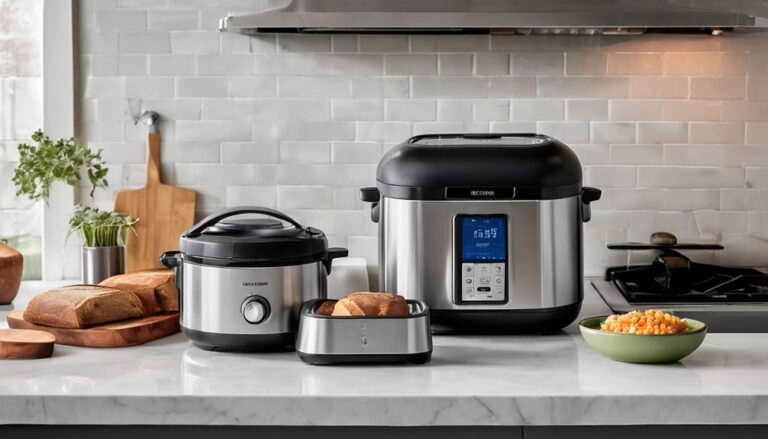
Look for ENERGY STAR-rated models and compare real-world performance, not just sticker specs. Define budget-friendly criteria by energy use, total ownership costs, and reliable service. Choose appliances with clear energy standards, read labels, and estimate lifetime costs. In the kitchen, boost efficiency with efficient cookware, batch cooking, lids, and smart thermostats for ovens. Quick upgrades like programmable thermostats, LED lighting, and weather stripping help fast. If you keep going, you’ll uncover practical savings you can start today.
Key Takeaways
- Prioritize ENERGY STAR appliances to ensure solid performance with lower operating costs and reliable warranties.
- Compare annual energy use, not just sticker ratings, to estimate true lifetime costs.
- Upgrade with programmable thermostats, LED lighting, and smart power strips to cut standby and usage energy.
- Use efficient cookware, lids, and batch cooking to maximize oven heat and reduce cooking time.
- Seal doors and optimize temperature settings to minimize cycling and energy waste.
Define the Budget-Friendly Energy-Efficiency Criteria
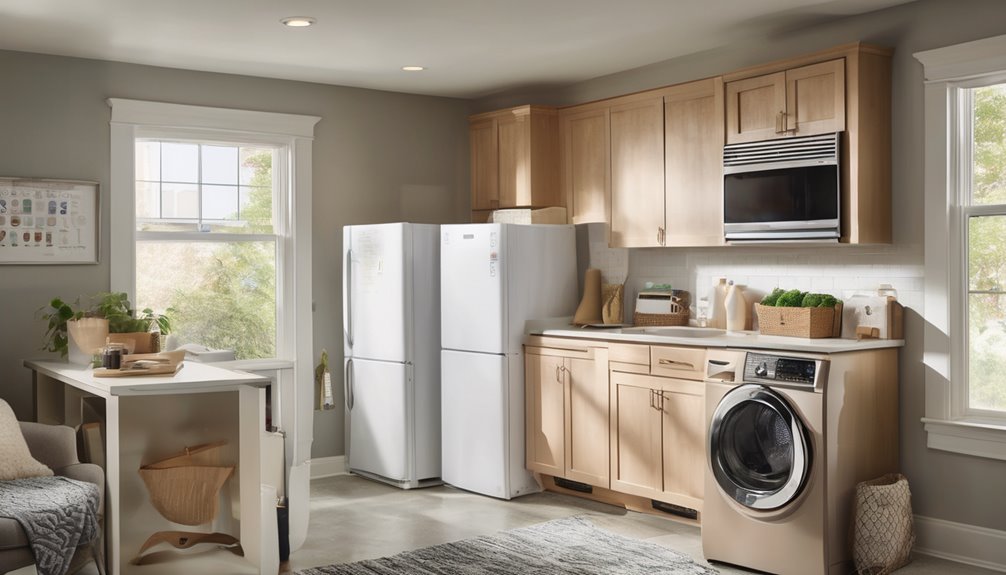
When you’re choosing inexpensive, energy-efficient appliances, start by defining clear criteria: look for models with high energy efficiency ratings (such as ENERGY STAR where applicable), solid performance for your needs, and a total cost of ownership that fits your budget. You’ll assess efficiency using practical benchmarks like annual energy use and estimated operating costs. Prioritize consistent, reliable performance to reduce surprises and maintenance. Compare features that genuinely matter for your space, avoiding gimmicks. Consider warranty, service availability, and compatibility with your existing setup to keep ownership smooth. Use cost comparisons to gauge value, not just upfront price. By setting clear, attainable targets, you’ll feel confident in your choice and enjoy efficient operation while staying within your community and budget. Keep-warm features support longer-term efficiency by avoiding needless re-boils and outages.
Choose Appliances by Energy-Saving Standards
Are you sure you’re getting true energy savings, or just a label? When you choose appliances, rely on energy-saving standards rather than vibes. Look for models that meet clear Energy labeling and budget criteria, then compare its real-world efficiency, not just the sticker. Prioritize consistent performance, not flashy claims, and lean on tests that reflect your daily use. Use standard ratings to build a practical buying plan you can explain to others. This helps everyone feel confident and included in the decision. Below is a simple grid to guide choices at a glance:
| Category | Standard | Practical note |
|---|---|---|
| Energy labeling | Look for verified A–G or EPEAT | Prefer higher efficiency ratings |
| Budget criteria | Set a max price; value over time | Include maintenance costs |
| Longevity | Expect multi-year reliability | Favor durable components |
Read Energy Labels and Estimate Lifetime Costs
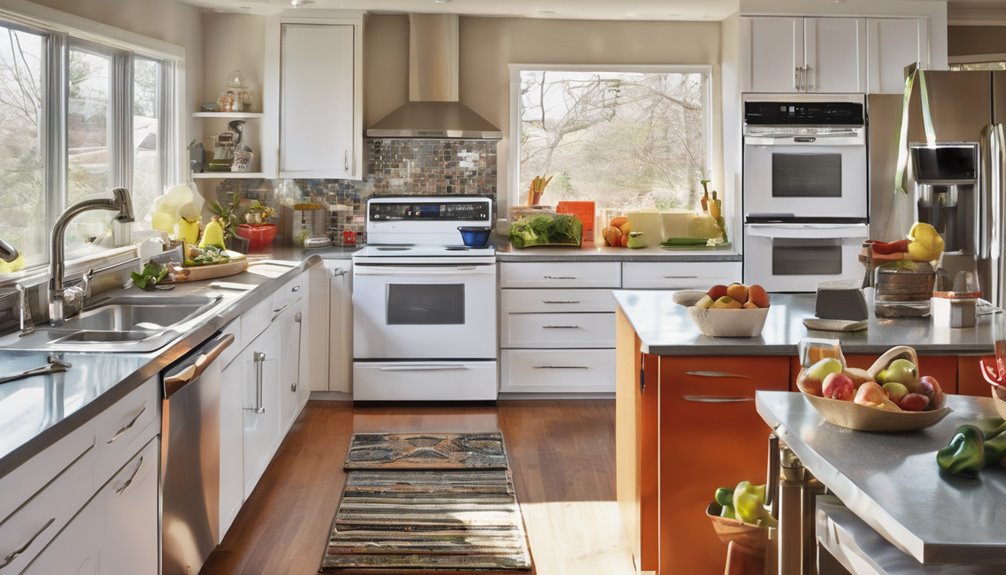
Reading energy labels helps turn that earlier guidance into real choices. You’ll compare stars, numbers, and estimates to see what fits your budget and values. When you read energy labels, focus on the annual energy consumption, efficiency class, and any performance notes that matter to you. Use these clues to estimate lifetime costs, not just upfront price, by multiplying annual usage by years you expect to keep the appliance. This helps you align with budget friendly energy efficiency criteria. Look for products meeting energy saving standards and matched features that still feel reliable. Remember, small differences add up over time, so choose options that deliver consistent savings without sacrificing daily comfort or sense of belonging in your home. Energy labels provide a framework for comparing efficiency across models like gooseneck kettles with precise temperature control and safe, fast heating.
Practical Ways to Cut Energy Use in Everyday Cooking
Ever wonder how to cut energy use as you cook? You’re not alone, and small shifts add up. Use efficient cookware to heat faster and retain heat longer, reducing burner time. Pair that with smart thermostats to fine‑tune oven and stove temps, avoiding idle energy loss. Batch cooking helps maximize oven efficiency by cooking more at once and using residual heat to finish meals. Lid usage can trap heat and speed simmering, a simple habit that boosts efficiency.
Quick, Affordable Upgrades That Deliver Real Savings
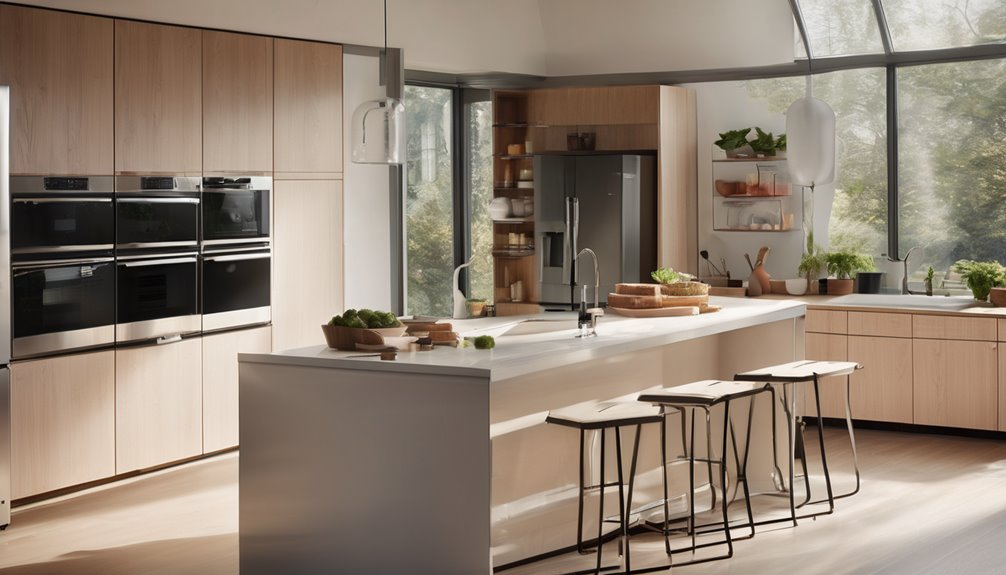
Small upgrades can shave real money from your bill without a big effort. You don’t need a remodel—just smart choices that add up over time, building long term savings you can feel. Start with simple upgrades: programmable thermostats, LED lighting, and smart power strips to curb phantom loads. Pick energy-efficient appliances when you replace, prioritizing size and use to avoid waste. A quick air-seal and a weather strip on doors keep cold and heat where they belong, reducing cycles and costs. By choosing models with adjustable temperature controls, you can fine-tune usage for different loads and seasons, further boosting efficiency. Doneness cheat sheets and weekly meal planners can also help you optimize cooking routines to minimize energy use.
| Upgrade | Benefit | Typical Impact |
|---|---|---|
| Programmable thermostat | Matches your schedule | Dips monthly bills |
| LED lighting | Uses far less power | Improves overall efficiency |
| Smart power strips | Stops idle draw | Boosts long term savings |
Frequently Asked Questions
Do Cheaper Models Ever Save More Energy Than Premium Versions?
Yes, cheaper models can sometimes save more energy than premium versions, but it depends on efficiency ratings and usage. If a cheaper unit has solid energy efficiency and you use it wisely, you might see comparable savings to a pricier, premium efficiency model. Focus on the energy star rating, annual consumption, and your habits. In practice, compare cheaper energy options with premium efficiency specs to find lasting value that fits your budget and sense of belonging.
Which Appliance Holds Its Energy Efficiency After a Power Surge?
“Fortune favors the prepared.” You’ll find aging efficiency matters most in appliances with strong surge resilience, like well-rated refrigerators and TVs that tolerate bumps without losing calibration or consistency. After a surge, choose models with stable compressors and protected electronics, which tend to hold efficiency longer. Stay practical: compare energy stars, look for built-in surge protection, and prioritize brands with proven reliability. Aging efficiency plus surge resilience keeps your home’s power use steady and affordable.
How Do Standby Modes Impact Yearly Electricity Costs?
Standby modes can quietly add up, increasing your yearly impact by a small amount each month. You’ll notice the effect most with multiple devices in standby, like TVs, chargers, and set‑top boxes. To cut standby costs, unplug rarely used gear or use smart power strips. You’ll save over time, feel more in control, and enjoy a more efficient home. Track your usage, switch off when not needed, and your yearly impact will shrink.
Are Refurbished Appliances as Reliable as New Ones for Savings?
Sure, refurbished reliability isn’t flawless, but many options rival new ones for savings potential. You’ll get solid performance, lower upfront costs, and ample warranties if you choose reputable sellers. It won’t be perfect, but you can build trust with proven brands and thorough inspections. You deserve belonging, not docile acceptance of high prices. Refurbished reliability varies, yet when you research, ask about tests, parts, and return policies, you’ll spot genuinely smart, budget-friendly choices.
Do Operating Habits Affect Energyuse More Than Appliance Efficiency?
Yes, operating habits affect energy usage more than appliance efficiency. You’ll trim your bills by turning off devices you aren’t using, scheduling loads for off-peak times, and using smart thermostats. Remember that energy usage climbs with waste, so subtle habits matter as much as the gear you buy. Keep everyone aligned, share tips, and you’ll feel part of a practical, efficient community focused on steady savings. Consistency beats flashy labels.