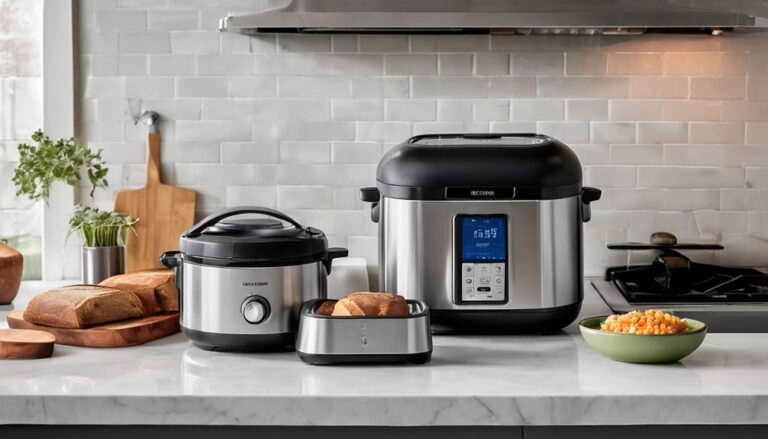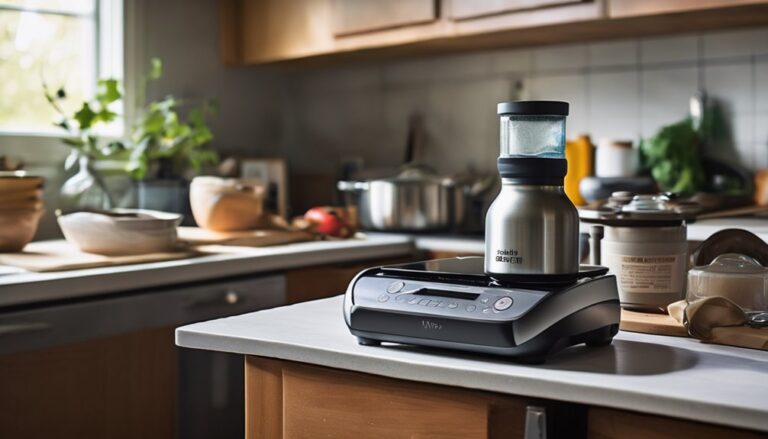
To begin saving money, concentrate on high‑return, affordable upgrades and everyday habits. Prioritize an efficient fridge, then climate‑appropriate heating, cooling, and lighting, guided by straightforward math: yearly kWh times your rate vs upgrade cost. Choose ENERGY STAR models, use smart controls, and run full loads in dishwashers and washers. Cut standby waste with smart power strips, batch cook, and reuse residual heat. Want more practical tips that build ongoing savings? You’ll find them next.
Key Takeaways
- Prioritize ENERGY STAR fridge, dishwasher, and range upgrades; focus on high annual savings per dollar with simple payback math.
- Use lids, matched burner sizes, and flat-bottom cookware to minimize stove energy waste.
- Run full dishwasher loads on eco/energy saver cycles and time usage to off-peak hours for lower rates.
- Maintain door seals, clean coils, and set fridge to 35–38°F and freezer to 0°F for consistent efficiency.
- Implement smart controls and automation to reduce standby power and optimize routine kitchen energy use.
How to Prioritize Kitchen Upgrades by Savings Impact

When prioritizing kitchen upgrades by savings impact, start with the changes that yield the largest annual energy savings per dollar spent. You’ll measure value by payback period and annualized energy use. Begin with high-return options: efficient refrigeration, then climate-appropriate heating, cooling, and lighting. Use simple math: estimate annual kWh for each device, multiply by your utility rate, and compare to upgrade costs. Prioritize items you’ll use daily, not occasional luxuries. Be mindful of budgeting myths that overstate gains from minor tweaks; focus on true dollar impact. Consider appliance resale value alongside upfront costs to assess overall ROI. Document your decisions, revisit after six to twelve months, and adjust as efficiency data accrues. This approach builds belonging through shared, practical progress. energy-efficiency
Budget-Friendly, High-Impact Appliance Choices
What are the best budget-friendly, high-impact appliance choices that deliver noticeable energy savings without breaking the bank? You’ll focus on efficiency labels, size-appropriate models, and smart controls, cutting waste without compromise. Prioritize ENERGY STAR, inverter compressors, and non-heat-based cycle options to reduce standby and usage hours. Avoid appliance myths by choosing proven technologies and budget hacks like firmware updates and proper maintenance. This approach builds belonging through shared, practical choices you can trust. Energy Labels help readers compare efficiency at a glance and make informed purchases.
| Category | Benefit | Quick Tip |
|---|---|---|
| Refrigerator | Lower running cost | Keep coils clean |
| Dishwasher | Efficient, shorter cycles | Use eco mode |
| Oven/Range | Even heat, faster cooking | Maintain door seals |
Save Energy Today With These Kitchen Habits

Switch to efficient cookware to trim energy use by heating more evenly and quickly. Keep the heat source matched to the pan size, and avoid preheating longer than needed. Plan meals strategically to reuse residual heat and minimize idle stove time. Auto shutoff features in modern air fryers help conserve energy by ending cycles when the basket is removed or the set time elapses, supporting safer and more efficient cooking auto shutoff safety.
Use Efficient Cookware
Using efficient cookware isn’t just a cost saver—it measurably cuts energy use. You’ll cook more efficiently when your pots and pans match your burner size, minimizing heat loss. Choose pots with flat, smooth bottoms and tight-fitting lids; these features boost heat transfer and reduce simmering time. Opt for heat optimized cookware made from multi-layer metals, which distribute heat evenly and let you use lower stove settings without sacrificing results. Always preheat only as long as needed and cover with lids to trap heat. When you replace gear, prioritize durability and compatibility with your stove, not flashy brands. By adopting efficient cookware, you’ll feel part of a practical community that values smart choices, lower bills, and reliable meal results for everyday life. Efficient cookware supports lasting energy habits. Heat transfer
Mind the Heat Source
Choosing the right heat source can cut energy use at the moment you cook: electric coils, induction, gas, and even convection each waste energy differently. You’ll save more when you pick the best match for the task, then practice mindful simmering and heat containment to finish efficiently. Induction not only speeds up heating but also minimizes standby waste by locking in pot heat standby heat control.
1) Switch to induction for quick heat control and minimal loss; it locks pot heat and reduces standby waste, helping you feel confident and connected to your kitchen.
2) Use mindful simmering—keep a steady, low bubble, not a vigorous boil—so you don’t overcook, overuse energy, or worry about uneven results.
3) Contain heat with lids and proper pot sizes, maximizing efficiency and fostering a sense of belonging in a shared, mindful cooking routine.
Plan Meals Strategically
Ever wonder how planning meals can shave energy use before you even start cooking? You’ll save power by choosing efficient meal planning and batch cooking, reducing stove time and oven runs. When you organize ingredients and portions ahead, you minimize waste, trips, and heat exposure in your kitchen. Use batch cooking to stock ready-to-reheat meals, cutting daily energy spikes and keeping temperatures stable. Track simple data: time saved, energy per meal, and batch counts. Meal planning helps you align prep with energy efficiency, while consistent portions reduce waste and energy use. This approach builds belonging: you’re part of a smarter, cooler kitchen community. meal planning, batch cooking.
Tiered Upgrades by Payback: A Practical Plan
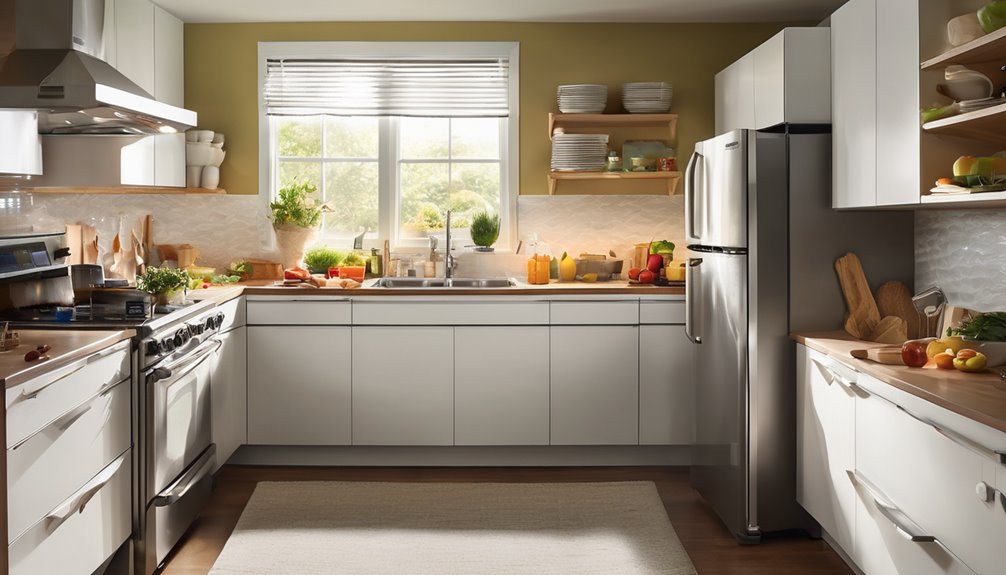
You’ll start with a clear payback timeline, grouping upgrades into near-, mid-, and long-term tiers. For each tier, you’ll map practical upgrade options to expected savings and installation costs, so you can compare payback at a glance. This framework guides you to prioritize high-impact, quickly recouped improvements before tackling broader, slower ROI upgrades. Precision control helps ensure you time each upgrade to match your brewing needs and energy use.
Payback Timeline Tiers
Tiered payback plans help you prioritize upgrades by how quickly they recoup costs, turning a long-term goal into a practical, stepwise path. This approach helps you feel a sense of belonging with a community of mindful savers who share practical, proven steps. When you align timing with available funds, you minimize risk and maximize impact, making every dollar count toward a warmer, more efficient kitchen. Power range considerations from high-horsepower appliances can guide which upgrades deliver the strongest early payoff.
Practical Upgrade Pathways
Practical upgrade pathways start with a clear, data-backed plan that ties each change to its payback. You’ll map upgrades by tier, starting with low upfront costs and measurable savings, then scale to higher-impact improvements. Focus on concrete metrics: energy saved per dollar, estimated payback period, and reliability gains. Begin with appliance timers or smart plugs to shrink idle usage, then replace lamps with LEDs, targeting the fastest payback. Next, optimize refrigeration—seal leaks, set correct temperatures, and maintain coils—to maximize efficiency with modest upfront costs. Consider stovetop upgrades or induction burners only after validating usage patterns and payback timelines. Document assumptions, compare options, and revisit quarterly. This approach fosters belonging through shared data, reduces risk, and aligns efforts with a practical, measurable path to long-term savings.
Maximize Fridge Performance: Placement, Temp, Maintenance
To maximize fridge performance, start with placement: keep the unit away from heat sources, on a level surface, and with at least a few inches of clearance for air flow. You’ll improve fridge placement and compressor efficiency, reducing strain and energy waste.
Keep the fridge away from heat, level, and with air clearance for optimal efficiency.
- Position the fridge away from ovens and sunlight to stabilize internal temps and boost efficiency.
- Maintain consistent door seals and wipe spills to prevent humidity spikes that tax cooling cycles.
- Schedule routine wipe-downs and coil checks to sustain airflow, cut frost buildup, and extend lifespan.
Temp, maintenance, and placement work together: set a steady 35–38°F (2–3°C) for fresh foods and 0°F (-18°C) for freezers, then verify with a thermometer quarterly. Belonging grows from reliable daily performance. HVAC considerations
Cooking Hacks to Cut Daily Energy Use
Now that you’ve set up efficient fridge performance, you can carry that efficiency into how you cook. You’ll find small changes compound: use lids to trap heat, batch cook, and align meals with your stove’s most efficient settings. Preheat only as needed, and turn off ovens a few minutes early to finish via residual heat. When possible, simmer on a single burner instead of multi-pan setups. Choose energy-efficient cookware and keep burners matched to pot size to avoid wasted heat. Plan meals to reuse leftovers, reducing overall cooking cycles. Track results: note minutes saved and energy reductions per week. These practical, two word discussion ideas—cooking hacks, energy reductions—help you join a community focused on smarter, affordable energy use.
Energy-Saving Gadgets You Should Buy Now
Smart kitchen gadgets can cut energy use without costing a fortune, starting with Energy-Saving Gadget Picks that fit under typical budgets. Think time-saving and power-smart choices, from smart plugs to efficient LED timers, backed by quick performance data. You’ll get practical, precise tips on how these tools translate to real daily savings. Wi-Fi-enabled remote control helps you monitor and optimize usage across devices, tying into broader smart-home ecosystems for coordinated energy savings.
Energy-Saving Gadget Picks
If you’re looking to cut energy use without sacrificing performance, these energy-saving gadgets deliver measurable results. You’ll see efficiency gains when you pair practical picks with routine checks like energy audits and appliance calibration, keeping performance steady while trimming waste.
1) Smart power strip: cuts phantom load, holds devices accountable, and reduces standby consumption across your counter setup.
2) Automatic temperature controller: aligns oven and fridge temps with real usage, boosting efficiency without sacrificing food quality.
3) Digital timer/monitor: tracks real-time energy draw, enabling you to optimize cycles and identify tweaks for consistent savings.
These picks empower you to belong to a community of mindful cooks who value data-driven decisions and proven results.
Smart Kitchen Time-Savers
With energy-saving gadgets now proven to cut waste, you can lock in efficiency gains without extra effort. Smart kitchen time-savers put control in your hands, delivering measurable results without complicating routines. Start with smart switches to automate outlets for your most-used devices, reducing standby power and preventing phantom loads. They’re simple to install and integrate with existing smart ecosystems, letting you schedule, monitor, and adjust energy use from one app. Lamp timers provide predictable lighting without overrun, saving watts during evenings and late nights while preserving ambiance. Pair these tools with routine checks—tracking your daily energy footprint and adjusting schedules as habits change. The payoff is tangible: steadier budgets, less clutter, and a kitchen that runs like a well-orchestrated system.
Power-Efficient Appliance Tips
Looking to trim energy bills without sacrificing performance? You’ll feel part of a practical, results-driven community when you choose smart gadgets that boost appliance efficiency and cut standby power. Start with core items, then layer in efficiency upgrades as you go.
- Choose ENERGY STAR certified refrigerators and dishwashers to minimize standby power and maximize performance.
- Add a programmable thermostat and smart outlets to curb standby power across devices you forget to unplug.
- Invest in energy-saving modes for ovens, microwaves, and coffee makers; these settings optimize cycles without sacrificing reliability.
Together, these choices create tangible savings, reliable performance, and a shared sense of belonging as you upgrade your kitchen with confidence.
Smart Power Strips and Shutdown Habits in the Kitchen
Smart energy strips are a simple, data-driven way to cut kitchen standby energy. You’ll see real gains by pairing smart powerstrips with intentional shutdown habits at the counter, desk, and island. Use one strip for small appliances and chargers, another for electronics, and a third for rarely used gear. The result is fewer phantom loads and steadier electricity costs.
| Zone | Device Group | Benefit |
|---|---|---|
| Counter | Chargers & clocks | Reduces idle draw |
| Prep | Small appliances | Stops standby energy |
| Desk/Island | Gadgets & tools | Consolidates power |
In practice, flip switches after use, enable timer schedules, and monitor monthly savings to stay motivated and feel part of a smarter, thrifty kitchen community. smart powerstrips, shutdown habits.
Rethink Water Heating and Dishwashing for Lower Bills
Rethinking water heating and dishwashing can trim a big chunk of your energy bill after we’ve tackled standby loads with smart power strips. You’ll save by choosing thriftier water heating and improving dishwashing hygiene, without sacrificing comfort or cleanliness. Small tweaks compound: radiant-heated taps, proper dishwasher loading, and avoiding pre-rinses cut hot water use while keeping meals inviting at home.
1) Switch to low-flow fixtures and energy-efficient settings to curb hot-water waste while maintaining comfort.
2) Run full loads and skip pre-rinsing; use the dishwasher’s eco or energy saver cycle for thriftier water heating and efficient cleaning.
3) Time dishwasher use to off-peak hours when electricity is cheaper and your bills are gentler.
Do a Kitchen Energy Audit for Ongoing Savings
Want to know how much you’re really saving? Start with a simple kitchen energy audit to establish baseline usage and track improvements over time. Begin by documenting appliance ages, wattage, and typical run times for ovens, stoves, refrigerators, and dishwashers. Check seals on doors, insulation in walls, and the efficiency of your lighting. Record monthly electricity and gas bills, then identify the biggest culprits and target them first with fixes or behavior tweaks. Implement practical changes: preheat less, use lids, batch cook, and optimize dishwasher loads. Reassess after a quarter to quantify savings. A well‑conducted audit supports kitchen aesthetics while preserving flavor, because efficient temps and proper timing reduce waste without sacrificing taste. Consistent monitoring builds belonging through measurable progress.
Frequently Asked Questions
How Soon Will Upgrades Pay for Themselves in Savings?
Upgrades typically pay for themselves within 1 to 5 years, depending on upfront costs and energy prices. You’ll see quicker returns if you choose efficient appliances and climate-savvy upgrades. Consider maintenance tradeoffs: higher efficiency can mean longer lifespans but sometimes more complex repairs. Track your savings month by month to verify the payback, and share results with neighbors to reinforce a sense of belonging as you invest in smarter, more affordable energy use.
Can Small Appliances Be Swapped for Energy-Efficient Ones Cost-Effectively?
Small appliances can be swapped for energy-efficient models cost‑effectively, especially when you target the biggest users like microwaves and fridges. Fun fact: ENERGY STAR appliances save up to 20–30% on yearly energy use. When you plan an energy swap, look for compact options with high efficiency ratings and use you own budget to pace replacements. You’ll feel connected to peers who value smart choices and keep utility bills lower and habits sustainable.
Do Seasonal Factors Affect Kitchen Energy Savings Plans?
Seasonal factors do affect your kitchen energy savings plans. Seasonal variability means your fridge and heating loads vary with outdoor temperatures, as climate impact alters humidity and cooking patterns. You’ll save more by adjusting thermostat setbacks, using smart timing for appliances, and air-drying dishes in warmer months. Track monthly energy use, compare bills, and tailor strategies to seasons. You’ll feel a sense of belonging by matching routines with weather, data, and shared efficiency goals.
What Is the True ROI of Smart Kitchen Gadgets?
Smart kitchen gadgets typically pay back modestly, but their true ROI varies with usage. You’ll save mostly on energy and time if you track real-world data, not hype. Don’t chase flashy, irrelevant topics or false promises; focus on how often you actually use the device and the energy it saves. If you value belonging, choose proven, energy-efficient tools and measure savings over months, not gimmicks. Data-driven choices beat shiny distractions.
How Often Should I Service Major Kitchen Appliances?
You should service major kitchen appliances per manufacturer guidelines, typically every 12 months for most refrigerators, ovens, and dishwashers, and every 1–2 years for microwaves and ranges, with more frequent checks if you notice performance drops. Two word discussion idea1, two word discussion idea2. Regular maintenance saves energy, extends life, and builds confidence in your home. Schedule reminders, keep records, and share duties with family to nurture belonging while you stay data-driven about costs and benefits.