Here are the seven best ways to upgrade kitchen energy efficiency on a dime: start with high-impact upgrades like insulation, air sealing, and smart budgeting for essential replacements; pick ENERGY STAR models when you must replace appliances; use efficient lighting, dimmers, and motion sensors; seal gaps around doors and windows and keep lids on pans to cut heat waste; adopt smart plugs and timers to curb standby power; organize cooks and cookware to fit burner size; and build routines that cut waste and heat gain. If you keep going, you’ll uncover more practical tips and tweaks.
Key Takeaways
- Prioritize high-impact upgrades first: insulation, air sealing around doors/cabinets, and smart ENERGY STAR replacements when needed.
- Cut standby energy: use smart plugs, timers, and schedule off periods to reduce phantom loads.
- Optimize cooking routines: lids on pots, batch cooking, coordinated cookware-to-burner sizing, and minimal preheating.
- Improve lighting and temperature efficiency: switch to LEDs, dimmers, motion sensors, weatherstripping, and better insulation.
- Choose budget-friendly, energy-efficient appliances: ENERGY STAR models with auto shutoff and precise controls, starting with fridge, dishwasher, and oven.
What Kitchen Energy Upgrades Save the Most Money
There are several kitchen upgrades that pay back fast, so focus on the biggest energy drains first. You’ll notice immediate savings by auditing standby power and appliance use. Start with smart devices: plug high-wattage helpers into smart plugs, schedule off when not needed, and monitor patterns to cut phantom loads. Upcycling gadgets can replace single-use items with efficient, low-cost options, keeping your space organized and welcoming. Replace inefficient lighting with LEDs and dimmers to trim bills without sacrificing mood. Use the most energy-efficient settings on your fridge and dishwasher, and only run full loads. Small, consistent changes build belonging—neighbors notice your thoughtful, practical upgrades. Track your results, adjust routines, and celebrate progress as a community of mindful cooks. Monitor energy savings over time to keep improvements on track.
Identify High-Impact Upgrades for Your Kitchen
Start by prioritizing the upgrades that deliver the biggest energy savings first. Identify where energy is wasted most in your kitchen and target those areas for quick wins. Make sure each choice fits your budget limits so you can sustain momentum without overreaching. The process can also benefit from adopting efficient appliances like chamber vacuum sealers that minimize waste and improve storage efficiency, which helps reduce ongoing energy use in long-term food preservation energy efficiency and help you plan for scalable savings as you upgrade.
Prioritize High-Impact Upgrades
To upgrade efficiently, focus on the high-impact changes that save the most energy and money. You’ll gain momentum by prioritizing fixes that deliver quick wins and lasting value, so you belong to a smart, energy-conscious community. Descaling considerations and auto-clean features help maintain efficiency over time, reducing energy use from performance drift and downtime. AquaClean filtering helps delay descaling in Philips 3200 Series Espresso Machine with AquaClean filter, contributing to longer, more energy-efficient operation. – Target appliance efficiency: choose ENERGY STAR models and use smart schedules to maximize energy saving without sacrificing usability.
- Improve insulation and air sealing around doors and cabinets to cut heat loss and keep kitchens comfortable.
- Optimize cooking habits and surfaces: use lids, batch cooking, and efficient cookware to reduce energy use without changing routines.
Focusing on these high impact upgrades helps you feel confident, collaborative, and empower to save today and tomorrow.
Target Energy-Wasting Areas
We’ll start by pinpointing where energy is slipping in your kitchen, then zero in on high-impact upgrades that deliver quick wins. First, check for targeted leaks around doors, windows, and cabinetry corners—these quietly drain comfort and dollars. Seal with affordable weatherstripping and foam where gaps appear. Next, assess lighting habits: lamp refactors can cut energy use if you swap to efficient bulbs and use dimmers or motion sensors in task areas. Inspect appliances for standby power draw; unplug or use smart strips to curb phantom loads. Upgrade to ENERGY STAR models only when replacements are essential, focusing on hot-water and refrigeration gaps that spike bills. Finally, map quick wins you can implement this month, building momentum and a shared sense of progress. Energy Savings opportunities can also be identified by noting where your kitchen’s temperature or airflow feels inconsistent, guiding weatherstripping and insulation improvements.
Align With Budget Limits
You’ll want to pair those quick wins with a realistic budget so you get meaningful gains without overspending. Aligning with budget limits means prioritizing high-impact, low-cost upgrades and planning around energy budgeting goals. You’ll feel empowered when choices fit your home and your finances, not opposed to them. Focus on practical steps that deliver steady returns, and track every dollar to stay accountable. Prioritize cost-effective upgrades that reduce monthly bills and align with your energy budgeting plan. Set a cap for each project, favoring quick wins with clear payback to reinforce a budget friendly mindset. Pair purchases with incentives or rebates to maximize value and community support. Long Lift-Cycle
How to Choose Efficient Kitchen Appliances Without Overspending
Look for appliances with clear energy labels to quickly gauge efficiency and operating costs. Focus on budget-friendly picks that meet your needs without oversized features, and compare annual energy use to size and price. Use this upfront filter to balance performance, cost, and long-term savings. Consider opting for models with auto shutoff and precise temperature controls to further reduce energy waste auto shutoff.
Efficient Energy Labels
When choosing efficient kitchen appliances, start with energy labels to compare true operating costs, not just upfront price. Real-time app monitoring and built-in energy-saving features in modern sous vide devices can help you optimize usage and trim ongoing costs, especially if you cook frequently. You’ll spot efficiency at a glance, then confirm through energy labeling details like annual consumption and usage patterns. Use labels to weigh long‑term savings against purchase cost, and share the decision with your household so everyone feels included. Look for reputable programs and stay within your budget by prioritizing core functions you actually use. The right label helps you avoid overpaying for features you won’t benefit from. Energy labeling details
Budget-Friendly Picks
To keep costs in check during upgrading, start with budget-friendly picks that still deliver solid efficiency. You don’t need premium labels to gain real savings, just smart choices. Look for compact, energy-star rated models that fit your space and routine, with reliable performance and lower running costs. Prioritize core appliances—refrigerator, dishwasher, oven—that you’ll actually use daily, then add efficient add-ons as needed. When shopping, check warranty and service options; long-term protection beats a bargain that breaks soon. Idea 1: design trends can guide shape and size without inflating price, while idea 2: color palettes help you create a cohesive, welcoming kitchen. Choose sturdy materials, simple interfaces, and modular options to simplify upgrades and foster belonging in your kitchen community. energy-efficient
Daily Habits to Cut Kitchen Energy Use
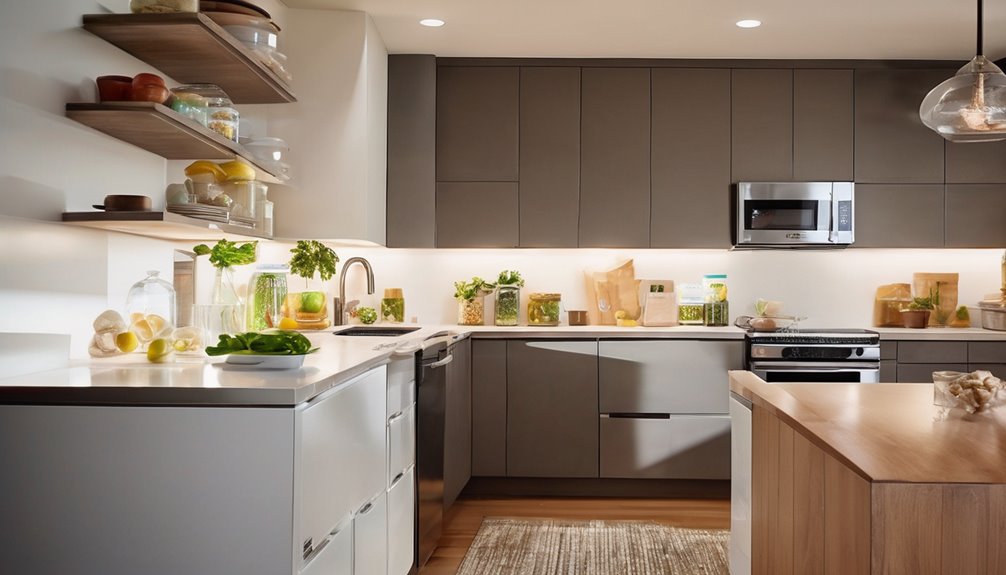
Small daily changes add up: start by making a habit of coordinating cookware use and burner sizes, using lids on pots and pans, and avoiding preheating for every recipe. You’ll uncover longer-term savings come from steady, simple adjustments—time saving routines that fit your life and your kitchen rhythm. By treating appliance maintenance as daily care, you keep efficiency high and frustration low. This mindset builds belonging: you’re part of a community that values practical, shared strategies for less waste and more comfort. You’ll notice cooler energy bills, faster meals, and fewer last‑minute scrambles. Small actions compound, so stick with it and invite others to join. Coordinate cookware to burner size for efficiency 4D adjustable armrests and ensure the lids stay on during simmering and boil-downs, while prioritizing routine over perfection.
Kitchen Smart-Home Tricks: Timers, Zoning, and Scheduling
Ever wonder how smart-home tricks can trim energy use without added hassle? You’re in the right place. Kitchen timers give you precise control over appliances, preventing standby waste and shortening operation times when you don’t need full power. Pair them with scheduling, so lights and vents run only during active tasks, not all day. Zoning strategies let you concentrate heat and cooling where you actually cook, avoiding waste in unused zones. This approach fits a community-minded mindset—everyone appreciates efficient choices that still feel familiar and welcoming. Implement simple routines: a timer for the oven when you’re multitasking, a switch for the range hood after use, and a monitored schedule for connected devices. Small, consistent steps add up, reinforcing belonging through daily, practical gains. Smart Home Ready features in some kettles can further optimize energy use with precise temperature control and app-based scheduling.
Budget-Friendly Upgrades That Preserve Performance
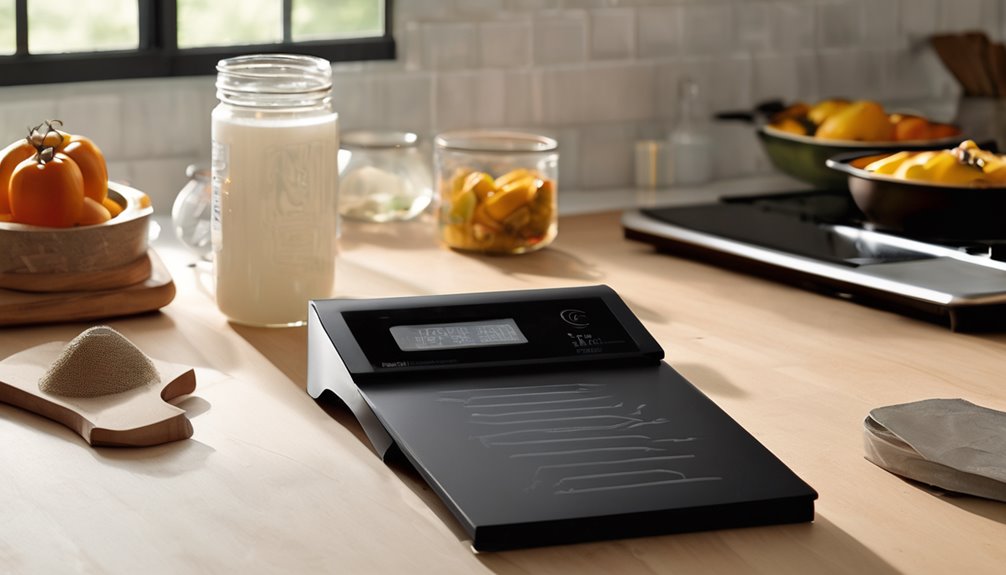
Smart-budget upgrades can boost kitchen efficiency without sacrificing performance. You’ll keep value in mind while choosing upgrades that feel natural to your routine, not gimmicks. With budget friendly options, you preserve performance while trimming waste and costs. Think simple swaps first, and you’ll notice smoother days at the stove and sink.
Smart-budget upgrades boost kitchen efficiency without sacrificing performance.
- Replace old seals and weatherstripping on doors and drawers to cut drafts and energy use.
- Opt for high-efficiency compact bulbs and task lighting to reduce heat and power draw.
- Choose reusable, well-insulated containers and cookware that conduct heat evenly, minimizing reheats and wasted energy.
These steps fit your lifestyle, support belonging, and prove that smart choices can be budget friendly without compromising performance preserving outcomes.
Quick Wins and Long-Term Payoff for Your Wallet
Want quick wins that save you money now and pay off in the long run? You’ll see fast gains by prioritizing small, repeatable changes. Start with simple thermostat discipline—setbacks when you’re away, modest temps at night—and you’ll notice bills drop without sacrificing comfort. Seal leaks around doors and windows, and you’ll feel the difference immediately. Efficient lighting and unplugging unused appliances add up to quick wins you can track on your monthly bill. Choose task-oriented upgrades that reduce heat gain and loss, like window coverings and energy-efficient fixtures, for the long term payoff. Plan upgrades in a logical sequence: climate control, insulation, then appliances. You’ll belong to a community that values smart choices, saves today, and enjoys a steadier, more affordable kitchen routine.
Frequently Asked Questions
How Can I Measure Real Kitchen Energy Savings Accurately?
You’re wondering how to measure real kitchen energy savings accurately, and you feel the suspense crackling as numbers settle. Start by tracking real energy use with your utility meter, note baseline consumption, then log kitchen-specific devices and times: measuring energy, running hours, and load. Compare month to month, adjust for weather, and compute percent changes. Use kitchen metrics like appliance wattage and total kilowatt-hours to verify savings, share progress, and stay motivated together.
Do Induction Stoves Require Special Cookware, and Is It Worth It?
Yes, induction stoves require induction cookware for efficient heating, and it’s worth it if you value fast, precise cooking. Look for pots and pans labeled induction cookware or with a magnetic base, ensuring energy compatibility with your burner. You’ll notice quicker heat, less wasted energy, and smoother control. If you already own compatible pieces, you’re set; if not, a small set can cover most tasks. Belonging matters here—cookware that works well brings the kitchen together.
Can You Retrofit an Older Fridge for Better Efficiency Cost-Effectively?
“Time is money,” so you can upgrade an older fridge for better efficiency cost-effectively. You can pursue upgrade options like door gaskets, insulation upgrades, LED interior lighting, fan and condenser cleaning, a thermostat upgrade, and a smart fridge controller. Aging fridge retrofits can cut energy use without a full replacement. You’ll save cash, reduce waste, and feel part of a community steering toward smarter choices. You’ll fit better with neighbors who value sustainable living.
What’s the Best Time to Run the Dishwasher for Savings?
You’ll save more by running the dishwasher in the evening, when demand is lower and rates may drop. Schedule it after dinner to avoid peak energy times, and use the eco or light-load settings. Keep in mind water heater impact: using hot water efficiently reduces overall energy use. Pair with full loads and air-dry if possible, so you feel part of a community that supports practical, shared savings. You’ve got this.
Are Gas Ranges More Efficient Than Electric for Budget Kitchens?
Gas ranges aren’t universally more efficient than electric for budget kitchens; it depends on usage. If you simmer often, gas favors quick heat control, but electric comparison often wins with consistent temp and slower heat loss in some models. Envision saving 10–20% on energy by choosing the right option. You’ll feel you belong in a smarter kitchen by prioritizing efficiency features, like precise burners and well-insulated ovens, regardless of fuel choice.