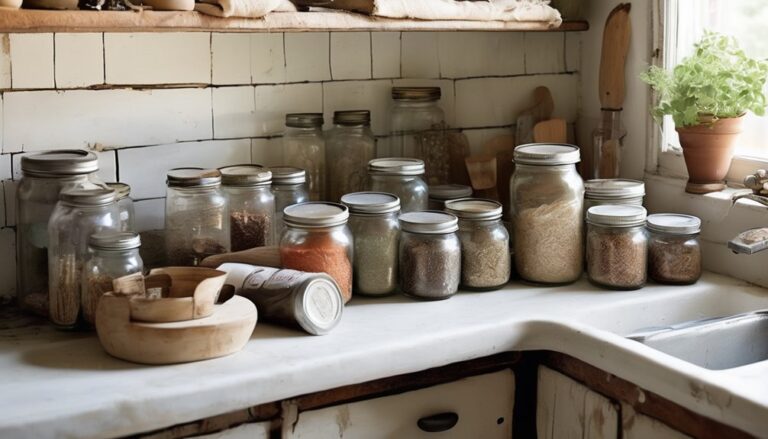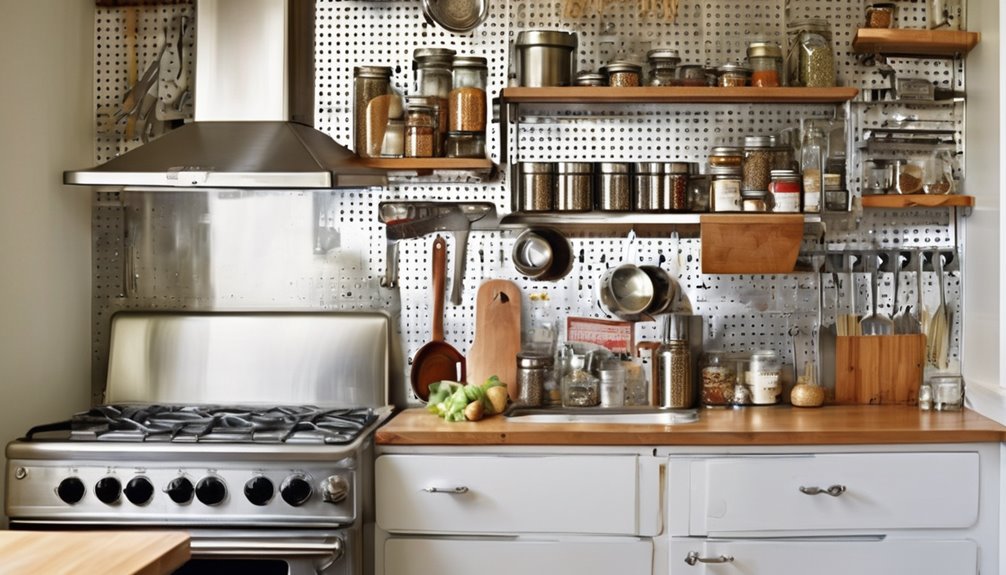
Tiny kitchen upgrades start with a quick space survey: map counters, inspect clearances, and note door swings. Identify essentials, repurpose gear, and spot bottlenecks from prep to cleanup. Use a simple repurposing framework: inventory items, plan small transformations, label what you do, and test for quick wins. Install budget-smart zones with modular containers, peg rails, and vertical storage. Track results, celebrate tiny wins, and expand only when value proves itself—more practical hacks await as you proceed.
Key Takeaways
- Start with a quick space assessment: measure counters, cabinet depths, and door swings to identify constraints and opportunities.
- Prioritize essentials in easy reach, with sentimental items tucked away, to streamline workflow and reduce clutter.
- Use repurposing ideas: stackable jars, magnetic strips, and collapsible tools to maximize vertical and drawer space.
- Create labeled zones and use modular, multi-use gear to minimize rummaging and surface clutter.
- Test small upgrades first, document results, and expand only when tangible value is proven.
How to Repurpose Kitchen Gear: A Step-by-Step Guide
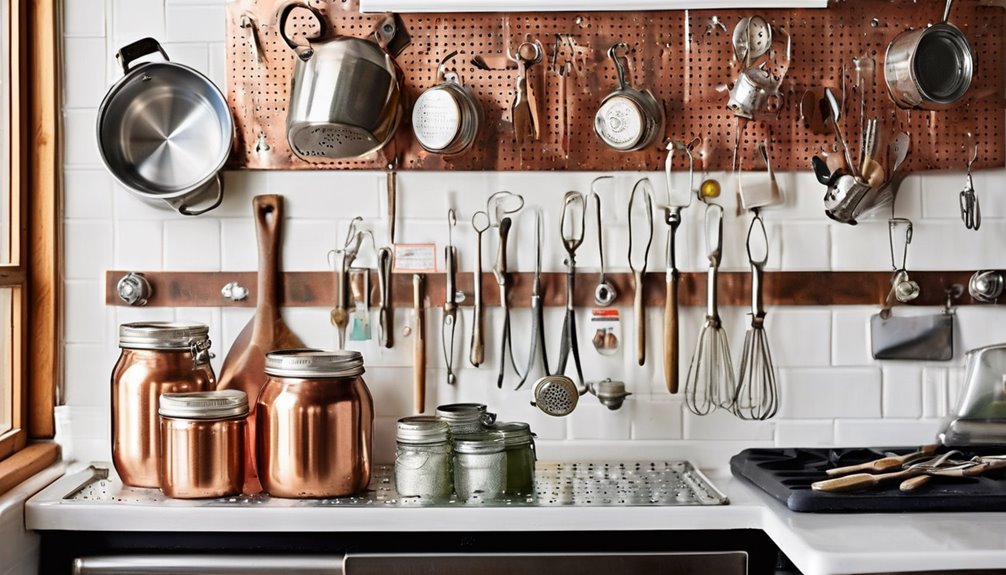
Ever wondered how to turn everyday kitchen gear into useful upgrades for a tiny space? You’ll approach this step by step, keeping goals clear and achievable. Start with a quickInventory: identify items you can repurpose for compact storage, like stackable jars, magnetic knife strips, and collapsible bowls. Next, plan simple transformations that don’t require heavy tools or big time. For each item, ask: will this improve energy efficiency or reduce clutter? If yes, draft a brief action note: what to do, what to reuse, and where to place it. Execute in short bursts, testing fit and access as you go. Finish by labeling solutions so you remember their purpose. Your tiny kitchen gains intentional structure, belonging, and calmer energy. Energy efficiency can be a guiding metric when selecting and placing repurposed items, ensuring each change saves space without sacrificing usability.
Assess Your Tiny Kitchen: Space, Needs, and Priorities
Wondering where to start with a tiny kitchen? First, take a honest look at your space. Do a quick measurement sweep: counters, clearances, cabinet depth, and door swings. This space assessment isn’t about perfection—it’s about clarity for smarter decisions. Map your workflow from prep to cleanup, noting where you actually need to reach and where things stall. Next, list your needs: what must stay, what can be repurposed, and what’s optional. Then translate that into priority mapping: essentials in easy reach, sentimental items tucked away, duplicative tools retired. Consider multifunctional gear that fits current gaps. By centering space, needs, and priorities, you create a blueprint you’ll actually use, feel confident with, and share with others who value a capable, cozy kitchen. For long sessions of cooking or meal prep, ensure your chair of choice supports posture and endurance during extended planning or recipe testing, aligning with the ergonomic principles of adjustable lumbar support and breathable seating. Multifunctional design can help maximize small-space versatility.
Smart Repurposing Ideas for Everyday Gear in Small Kitchens
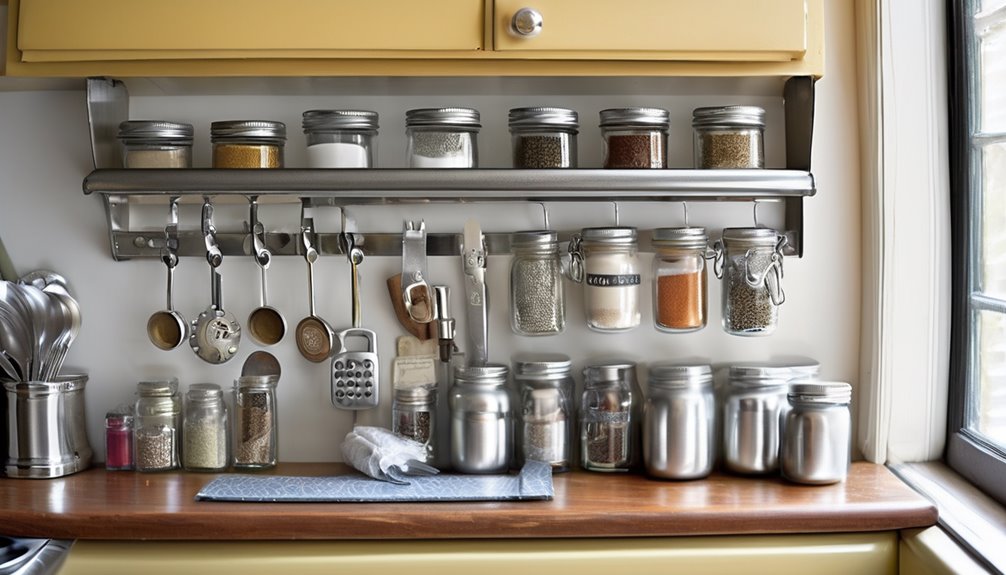
Smart repurposing isn’t just clever—it’s indispensable in small kitchens. You’re not just saving space; you’re building a shared culture of resourcefulness, where every tool earns its keep. Start with recycling cookware by pairing sturdy pots with sturdy lids for storage, or stackable inserts that become drawer organizers. Think multi use gadgets: a single grater that doubles as a zester, a blender jar that doubles as a portable cup, a colander that acts as a fruit bowl. Choose items that feel familiar, inviting, and easy to reach, so you’ll actually use them. Label surfaces and zones, keep essentials visible, and rotate gear seasonally to keep the kitchen welcoming. With intentional repurposing, you’ll enjoy efficiency, belonging, and quieter mornings. Important concept
Budget-Smart Upgrades: DIY Space-Saving Hacks That Work
You’ll start with space-saving essentials that make the most of every inch, from folding racks to modular containers. With budget-friendly upgrades, you’ll transform clutter into clear workflows, using DIY organization hacks that actually work. Ready to streamline your kitchen without breaking the bank, so every gadget has a rightful place and a clear purpose. In addition, consider how under-desk cable management concepts from desk setups can inspire tidy, hazard-free layouts in tight kitchen corners.
Space-Saving Essentials
Ever wished you could fit more gear into a tiny kitchen without breaking the bank? You can, with space-smart moves that feel like belonging. Think compact storage that tucks away essential, not clutter. Choose multi use utensils so one tool replaces several, freeing drawer real estate. Prioritize vertical placement and labeled zones to cut rummaging time. Simple, reusable organizers keep counters clean and efficient. With these budget-smart tweaks, you’ll own a kitchen that works as hard as you do.
- Use peg rails and magnetic strips for tools you actually reach
- Stackable containers + clear labeling for quick access
- Fold-down surfaces or removable trays to expand prep space
- Multi use utensils: spatula, tongs, and spoon-in-one design
Budget-Friendly Upgrades
Looking to stretch your kitchen on a budget? You can upgrade without overspending by choosing multipurpose gear and smart storage swaps. Start with durable, neutral basics and add small, color-conscious styling accents to keep the space feeling cohesive. Look for secondhand or repurposed items that still perform well, then tailor them with simple tweaks—new knobs, liners, or a fresh coat of paint. Prioritize essentials you use daily, and resist impulse buys that cause budgeting pitfalls. Install adjustable shelves, magnetic strips, and under-cabinet lighting to maximize usability without major remodeling. Keep a running list of needs versus wants to stay focused. The result is a space that feels intentional and inclusive, where you’ll enjoy cooking, hosting, and belonging in a compact, organized kitchen. 50,000 lift-cycle
DIY Organization Hacks
Ever thought small spaces could hide big organization wins? You can transform clutter into flow with budget friendly, diy organization ideas that keep you connected to the space you love. Use vertical shelves, clear bins, and pull-out organizers so every item has a home. Label subtly to reduce decision fatigue and boost belonging as you move through your kitchen. Install adjustable wall shelves to reclaim counter space and support efficient, multi-use setups air fryer organization for easy access to seafood-friendly appliances.
Safety and Maintenance for Repurposed Kitchen Gear
Safety and maintenance are non-negotiable when repurposing kitchen gear, as a small oversight can turn useful upgrades into hazards. You’ll stay safer when you commit to simple safety checks before each use—examine cords, seals, and fasteners for wear. Keep an eye on airflow and mounting stability, especially with DIY racks or repurposed appliances. Establish clear maintenance routines: wipe surfaces, lubricate moving parts where appropriate, and test outputs in a controlled burst before relying on them daily. Document reminders in a shared checklist so everyone in your kitchen feels included and confident. Build a routine that respects limits, avoids overloading, and traps potential faults early. When you prioritize safety checks and maintenance routines, you protect your space and foster belonging through trusted, dependable gear. Regularly verify that components like jars, lids, and blades remain securely attached to prevent unexpected detachments quiet-shield during operation.
Plan, Test, and Expand: Your Tiny-Kitchen Growth Roadmap
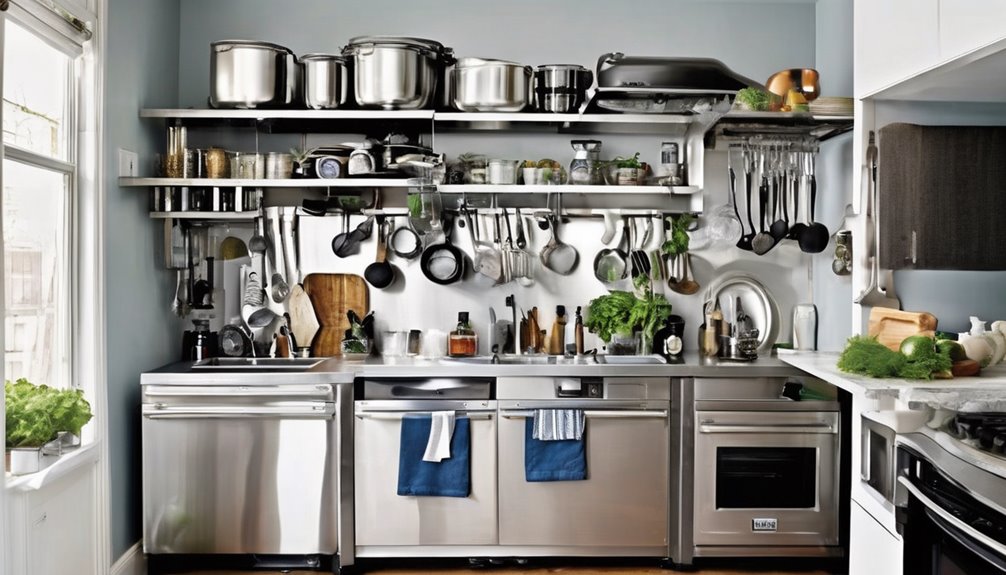
So, where does growth start in a tiny kitchen? It begins with a clear plan that fits your space, then moves to plan testing to prove ideas work before big changes. You’ll build a practical growth roadmap you can actually follow, not a fantasy list. Stay focused on what matters: how items fit, how you cook, and how you feel when you cook. Keep testing small tweaks, then expand only when they deliver value. Your roadmap should be repeatable, affordable, and adaptable to future needs. Embrace progress, not perfection, and invite others to share in the journey.
- Define a compact growth roadmap that targets one area at a time Build Quality and Steel Construction and priority is planning before investing
- Prioritize plan testing and quick wins
- Track results, adjust, and celebrate tiny wins
- Document lessons to spark future upgrades
Frequently Asked Questions
How Do I Measure Fit for Repurposed Gear in Tiny Kitchens?
To measure fit for repurposed gear in tiny kitchens, you start with precise measurements: width, depth, height, and clearance around doors or drawers. Use a tape measure, note margins for ventilation, and account for door swing. Now, plan space with clearances, visualize workflows, and adjust as needed. Your measurements determine fit and space planning, helping you choose gear that feels like it belongs. You’ll gain confidence, belonging, and a streamlined, functional kitchen you’re proud of.
Can Repurposed Items Affect Food Safety and Hygiene?
Yes, repurposed items can affect food safety and hygiene if you don’t sanitize, label, and separate them properly. Envision one stray drop turning a kitchen into a cautionary tale—small spaces magnify risk. You should use dedicated storage, avoid cross-contact, and clean surfaces between uses. Can repurposed gear work? Sure—but only when you follow strict sanitation, maintain organization, and stay mindful of temp, lids, and contamination to protect everyone sharing your space.
What Are Invisible Costs of Upgrading Tiny Kitchen Storage?
Invisible costs of upgrading tiny kitchen storage creep in quietly, but you feel them in time. You’ll notice tighter budgets, more maintenance, and the urge to rehome clutter as you chase storage optimization. You might invest in new small tools, reconfigure workflows, and adjust routines around access and safety. Yet these tweaks pay back with smoother cooking, belonging, and less mess—an ongoing payoff you can visiblely savor, every meal you create together.
How Do I Responsibly Source Repurposed Gear?
You’ll want to source repurposed gear responsibly by verifying provenance, choosing items with clear origin, and prioritizing suppliers who share transparent sourcing ethics. Follow reuse guidelines that emphasize repairability, minimal waste, and long life cycles. I’m inviting you to ask about material safety, restoration options, and fair-trade practices to foster community trust. By choosing vetted sources, you create belonging for others who value sustainable, thoughtful design and a shared commitment to responsible repurposing.
Which Items Are Best Avoided for Repurposing in Kitchens?
Did you know that 38% of kitchen injuries come from using improvised tools? You should avoid items to avoid that aren’t food-safe or heat-resistant. Specifically, don’t repurpose old metal hobby tools, untreated wood, buggy plastic, or porous ceramics for cooking surfaces. Safety concerns include chemical coatings, rust, and bacteria harboring cracks. If you’re unsure, don’t use it—opt for purpose-built tools. Prioritize safe, sturdy gear to feel you belong in a confident, shared kitchen.