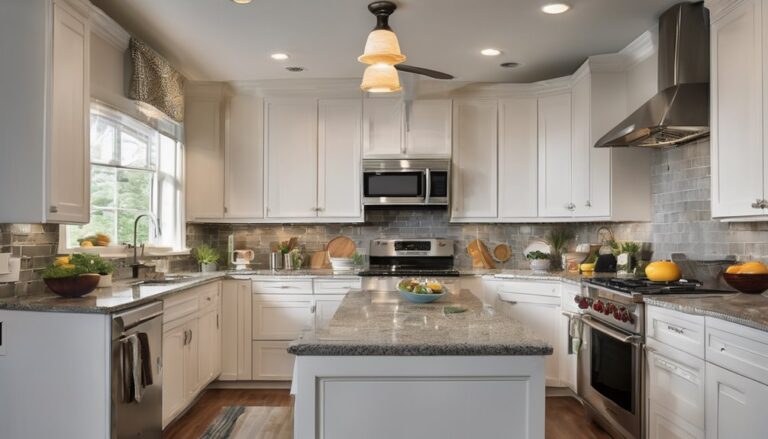
You can cut kitchen energy use as a renter by choosing lease-safe, low-cost upgrades with clear payback. Start with non-permanent options like LED lighting, efficient faucet aerators, smart plugs, and energy-efficient appliances that don’t require walls or permits. Track baseline usage, estimate savings, and keep a simple budget with a contingency. Focus on measurable results, landlord-friendly framing, and deposit protection. If you stick with practical, temporary tweaks, you’ll uncover steady gains and practical strategies you can apply next.
Key Takeaways
- Upgrades can be non-permanent and landlord-friendly, avoiding structural changes while cutting energy use.
- Focus on removable, adjustable solutions with quick payback, like LED lighting and smart plugs.
- Sharing benefits with landlords—lower utility bills and attractive, competitive rentals—facilitates collaboration.
- Trackable, simple actions (baselines, meters, monthly comparisons) quantify savings without deposits at risk.
- Use ENERGY STAR appliances and modular options that preserve lease flexibility and security deposits.
Identify Energy Goals and Lease Constraints
Before you start upgrading, clearly define your energy goals and the lease constraints that could affect what you can do. You’ll map what matters most: lower utility bills, faster cooking, or less energy waste. Then translate those goals into measurable targets, like a percentage reduction in energy use or hours saved per week. Next, list lease constraints: restrictions on alterations, required permission, and safety codes. Prioritize actions that satisfy both goals and constraints, such as appliance upgrades that don’t require wall modifications or venting changes. Collect data on current usage, estimated savings, and payback periods to compare options. This disciplined approach builds a shared language with landlords and neighbors, fosters belonging, and keeps you focused on practical, rent-friendly gains. energy goals and lease constraints guide every smart choice energy management you pursue.
Budget for Lease-Safe, Energy-Saving Upgrades
How will you make the numbers work? You’ll build a practical budget that aligns with your energy goals while respecting lease constraints. Start with a baseline: list every upgrade idea, then estimate costs, savings, and payback. Prioritize high-impact, removable options—LED lighting, efficient faucet aerators, and temporary insulation aids—that don’t require permanent changes. Compare purchase costs to monthly energy savings, using realistic usage patterns. Include a 10–15% contingency for surprises and a clear timeline to avoid scope creep. Favor options that require little maintenance and can be reversed. Track progress with a simple spreadsheet: cost, expected annual savings, and net impact. This approach keeps you focused, budget-conscious, and confident in your lease-safe upgrades. energy savings


Fast, No-Permission Energy Wins for the Kitchen
You can start saving energy in the kitchen with quick, non-permitted tweaks that don’t require landlord approval. In practice, you’ll target small, low-risk changes that unlock measurable gains without major renovations. We’ll compare options by cost, expected savings, and ease of implementation to help you pick the fastest wins. Energy-efficient seating and the idea of compact, space-saving approaches can inspire smarter layout choices that support efficient use of appliances and workflows.
Quick Energy Wins
Ever wondered how renters can slash energy use in the kitchen right away? You can achieve quick wins with simple, measurable steps that don’t require permission or major upgrades. Begin with a quick energy audit mindset: identify the top hotspots where heat, cold, or standby power leaks occur. Track your fridge’s seal integrity, door usage, and temperature settings, aiming for 35–38 degrees Fahrenheit for fresh food and 0–5 for freezers. Replace incandescent lighting with efficient LEDs and ensure bulbs aren’t overlit for tasks. Check appliance efficiency by choosing models with ENERGY STAR labels when replacements happen, and use power strips to cut standby draw on rarely used devices. Small tweaks add up, proving energy data translates into practical savings and a sense of belonging in a mindful kitchen. windowed monitoring can further help you avoid unnecessary heat loss and optimize cooking routines without changing your current setup.
Non-Permitted Upgrades
Non-Permitted Upgrades can still deliver fast, meaningful energy wins in a renter’s kitchen. You’ll find real gains by focusing on behavior, layout, and select, low-commitment changes that don’t require landlord sign-off. Concrete steps include switching to LED lighting, sealing gaps around cabinets, and optimizing appliance use with smart timers. In practice, these actions address rental specific constraints while delivering measurable results, such as lower monthly consumption and improved comfort. Track usage with a simple meter or app to quantify impact, then adjust routines before considering more intensive shifts. This approach values belonging: you’re part of a community pursuing practical efficiency within limits. Remember to document changes and respect policy, ensuring energy gains don’t compromise your rental relationship or security deposits. memory presets can help maintain efficient workstation layouts across different setups.
Energy-Saving Appliances That Suit Rentals
You can score energy savings with appliances that are energy-efficient, rent-friendly, and cost-effective for rentals. Data shows these options reduce monthly use without permanent changes, making upgrades practical for renters. We’ll explore concrete picks and real-world costs to help you choose smart, transferable upgrades. Additionally, ergonomic office chairs with adjustable lumbar support and 90–120° backrest tilt can boost productivity and comfort for sustained work sessions, with models offering 5-year warranties and breathable mesh for long-term durability 5-year warranty.
Energy-Efficient Appliances
Are energy-efficient appliances worth the switch in a rental? Yes—these options reduce utility bills and fit tight budgets without sacrificing comfort. When you choose energy-efficient kitchen appliances, you’ll see measurable results: lower monthly use, less heat in summer, and easier maintenance. Key stats show Energy Star models often cut consumption by 10–30% compared with standard equivalents. Practical picks include compact, quiet refrigerators, and efficient dishwashers and ranges that fit rental kitchens. Use the table below to compare features quickly.
| Feature | Benefit |
|---|---|
| Energy Star rating | Lower running costs |
| Compact size | Fits smaller spaces |
| Quiet operation | Less disruption |
| Simple maintenance | Fewer surprises |
| Durable build | Long-term value |
Energy Star standards help ensure that appliances deliver consistent performance while minimizing energy use, which is especially valuable in rental properties where utility costs are a shared concern.
Rent-Friendly Upgrades
Energy-saving appliances that fit rental kitchens strike the right balance between impact and ease of approval. In this space, you’ll find options that are cost effective and lease friendly, designed to minimize landlord friction while maximizing daily efficiency. Switching to compact, Energy Star refrigerators with adjustable shelves can further reduce standby energy waste and fit tight spaces without sacrificing storage flexibility. Portable induction cooktops or single-oven units boost cooking efficiency without permanent installation, making it easy to trial upgrades. Smart plugs and energy meters for existing appliances enable data-driven adjustments without buying new heavy gear. These choices focus on practical gains you can verify with utility data and real-world usage, keeping upgrades affordable and scalable. You gain predictable performance, simpler approvals, and a kitchen that feels more yours—without major commitments. Energy Star
Cost-EffectiveChoices for Rentals
What makes a rental-friendly upgrade truly cost-effective? You’ll prioritize energy budgeting to align costs with anticipated savings, selecting appliances with high efficiency, adaptable sizing, and minimal installation fuss. Think compact, plug-in devices for quick wins that don’t require extensive remodeling. In practice, target ENERGY STAR models and smart features that help monitor use without locking you into a fixed layout. When you discuss upgrades with your landlord, frame proposals around predictable payback, durability, and protection of security deposits. This is where landlord negotiation matters: offer shared benefits, like reduced utility bills or longer unit competitiveness. By choosing modular, transferable solutions, you preserve flexibility, keep costs predictable, and create a kitchen that feels welcoming and efficient for everyone involved. 50,000 lift-cycle durability metrics from manufacturers can reassure both tenants and landlords about long-term reliability in adjustable setups.
Bright, Efficient, Safe Kitchen Lighting
Bright, efficient, safe kitchen lighting starts with choosing fixtures and bulbs that deliver strong task illumination whereas trimming energy use. You’ll compare lumen output, color temperature, and fixture placement to reduce shadows and glare while keeping safety in mind. Evidence shows that layered lighting boosts accuracy on prep tasks and cuts overall energy when paired with efficient bulbs. A practical renters-friendly approach also includes selecting fixtures with low heat emission to maintain safety and comfort in small kitchen spaces.
Bright, efficient kitchen lighting avoids shadows and cuts energy with layered, task-focused illumination.
This approach respects renters’ limits, prioritizes reliability, and builds a shared sense of belonging through practical, data-driven choices.
Lease-Friendly, Non-Permanent Upgrades
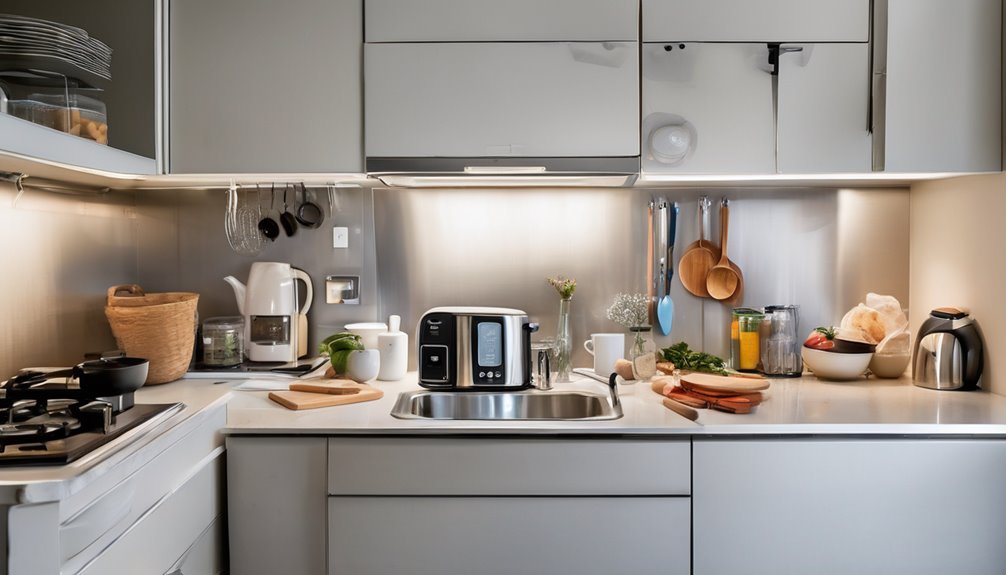
Lease-friendly, non-permanent upgrades focus on tweaks you can implement without altering the structure or risking your security deposit. You can cut energy use with removable, trackable changes that don’t require permits or major renovations. When you select options, prioritize budget conscious choices that are easy to revert. Small, measurable gains add up: quick-seal gaps, LED swap-outs, and smart plugs can reduce standby loss and usage variability. The table below shows a concise approach to evaluating options by cost, impact, and reversibility.
| Option | Estimated Cost | Reversibility |
|---|---|---|
| LED bulbs | $-$$ | High |
| Power strips/Smart plugs | $-$$ | High |
| Draft sealing film | $-$$ | High |
Track Savings and Maintain Momentum
Tracking savings is where momentum turns into results. You’ll quantify every kilowatt hour saved and every dollar reduced, turning abstract goals into concrete proof. Use simple tracking tools you trust, and keep them visible to reinforce progress.
Tracking savings turns momentum into results by quantifying every kilowatt hour saved and every dollar reduced.
1) Set a baseline: measure current usage and costs, then compare monthly to spot true changes.
2) Record wins: log every appliance or tactic that delivers savings, no matter how small.
3) Review and adjust: monthly, challenge assumptions, reallocate effort to the most effective actions.
This approach is data-driven, practical, and accessible, reinforcing a sense of belonging as you share metrics with roommates or neighbors. track savings, 유지 momentum, and celebrate steady gains that compound over time.
Frequently Asked Questions
How Can I Measure Return on Investment for These Upgrades?
You measure ROI by comparing upfront costs to annual savings, plus any energy budgeting benefits you notice. Start with cash flow: estimate annual utility reductions, then subtract maintenance. Include appliance depreciation to account for value decline on tax or resale. Track total cost over time and divide net savings by total investment. Don’t forget non-financial gains like comfort and consistency, which boost belonging. Reassess annually to refine projections and stay confidently informed.
Are There Any Landlord Consent Templates I Can Use?
Yes—there are consent templates you can use. For example, imagine a tenant who documents a shared energy-saving hood upgrade with a simple, dated form. You can customize consent templates to fit your lease, then attach landlord agreements outlining scope, costs, and timelines. This approach keeps everyone aligned, speeds approvals, and provides audit-ready records. Ask your landlord for a ready-made template or adapt a standard consent form to ensure clear, compliant consent.
What Grants or Rebates Cover Rental-Specific Improvements?
You can access energy audits and appliance rebates for rental-specific improvements. Many programs offer rebates for energy-efficient appliances and upgrades tied to audits or efficiency upgrades in rental units. Look for utility-sponsored rebates, state incentives, and local grants that don’t require full ownership, plus landlord-tenant energy efficiency partnerships. You’ll gain practical savings data, trackable metrics, and a sense of belonging with neighbors pursuing similar upgrades. Apply early, document improvements, and keep receipts for claim verification.
How Do I Track Energy Savings Without Permanent Changes?
Consider small, subtle tweaks like smart plugs and LED upgrades to track your energy savings without permanent changes. You’ll see home electrification benefits through real-time meters and monthly bills, then compare before-and-after usage. Document appliance efficiency improvements you test, and use an energy-tracking app to quantify changes. You’ll feel connected as data guides choices, proving you belong in a community that values practical, measurable progress toward efficient living.
Can Renters Access Utility Data to Verify Savings?
Yes, you can access utility data with proper steps. Start by requesting energy data access from your utility provider and your landlord, using clear timelines and allowed uses. Use landlord consent templates to formalize permission, ensuring privacy protections are respected. Track savings by comparing baselines before upgrades to post-implementation bills or interval data. Data-driven sharing builds trust, helps you quantify benefits, and strengthens your sense of belonging in a responsible, collaborative housing community.