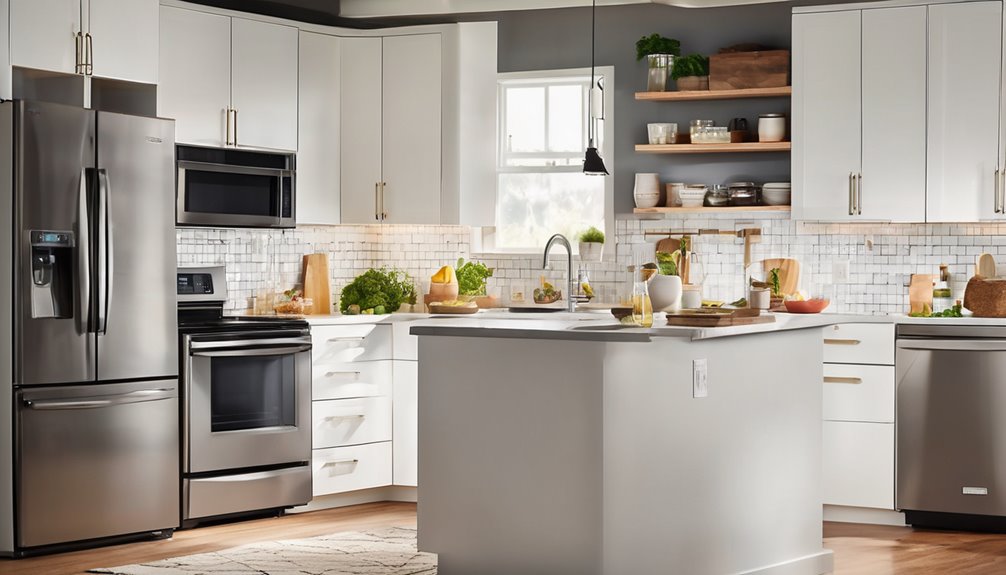
Kick off with quick wins you can do now: track a week of appliance use to spot energy sinks, switch to Rent-Safe LEDs, and pair them with smart plugs to curb standby power. Seal obvious drafts around doors, windows, and outlets without permits, and keep the fridge at 37–40°F with proper airflow. Use power strips, plan meals to cut waste, and schedule dishwashing off-peak. Next steps build on these with budget upgrades and measurable savings. More tips await.
Key Takeaways
- Prioritize rent-friendly LED lighting upgrades and smart controls to reduce usage without wiring changes.
- Use power strips with shutoff to eliminate phantom loads and group related appliances.
- Seal doors, windows, and outlets to curb drafts and boost kitchen insulation affordably.
- Optimize fridge habits (37–40°F, organized, rotate stock) to cut energy waste and spoilage.
- Plan meals around existing ingredients, freeze leftovers, and reuse scraps to minimize waste and energy.
Baseline Kitchen Energy: Quick Wins You Can Do Now
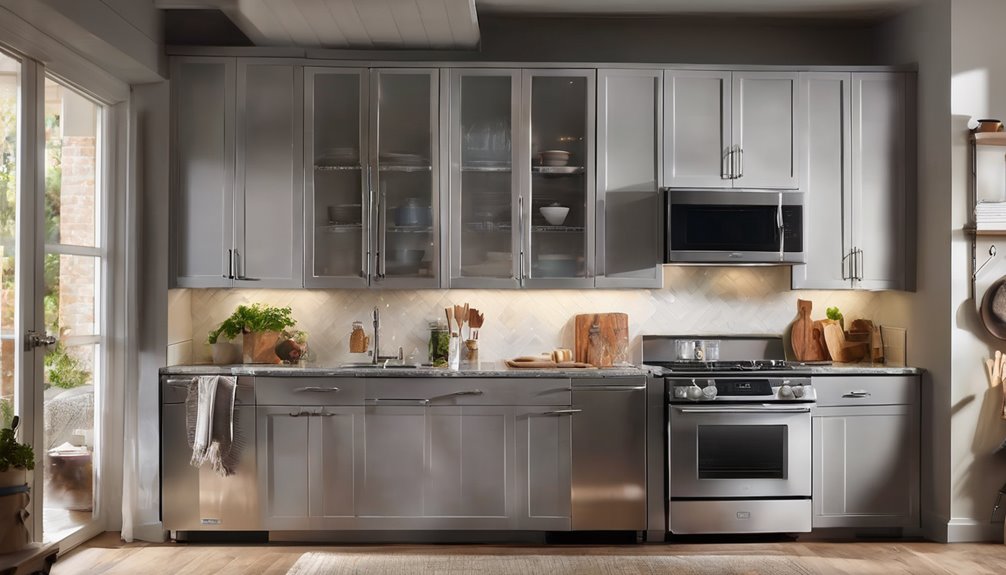
Are there quick wins you can snag in your kitchen energy usage today? You can start with a clear baseline: track a week of appliance use and identify the top energy sinks. This data helps you set realistic targets and share progress with housemates, fostering a sense of belonging. For efficiency, switch to task lighting over cooking zones, and run dishwashers only with full loads. When budgeting tips matter, compare energy labels and choose the most efficient options within your renter considerations, avoiding long-term commitments that don’t align with your lease. Simple habits—preheating only when necessary, simmering on lower heat, and turning off appliances when idle—add up. Establish a baseline, measure, adjust, and celebrate small wins together. Energy labels can guide quick, renter-friendly choices by highlighting efficiency levels for common appliances.
Rent-Safe Lighting Upgrades for Real Savings
Switch to Rent-Safe LEDs to cut energy use without rewiring, and compare options by lumen output, color temperature, and lifetime to estimate long-term savings. We’ll evaluate temporary lighting fixtures for quick swaps that require no permanent changes, focusing on plug-in and adhesive solutions that tenant-friendly. Pair these with smart, low-impact installations to automate lights and monitor usage, so you can quantify savings and justify upgrades. The compact design of some LED options can also help minimize heat output in small rental kitchens, improving overall comfort and efficiency. lumen output
Rent-Safe LED Options
Rent-safe LED options deliver noticeable savings without requiring major changes to your rental. You’ll optimize lighting by choosing high-efficacy LEDs and smart controls that fit standard fixtures, reducing energy use without costly remodels. Data shows LED options can cut electricity bills by 20–50% compared with incandescent or halogen equivalents, especially in kitchens with long daily run times. Pick bulbs with a high color-rendering index (CRI) for true food colors and choose dimmable models where you want mood and task accuracy. Pair LEDs with timer or occupancy sensors to avoid waste when you’re away. Consider battery backups for essential tasks during outages, ensuring safety and continuity. These practical upgrades promote a sense of belonging through consistent, reliable light you can trust.
Temporary Lighting Fixtures
Temporary lighting fixtures can deliver immediate, rent-friendly savings by swapping in basic, portable options that don’t require ceiling work or permanent changes. You’ll measure impact with simple metrics: wattage reductions, lumens delivered, and fixture count per room. Choose LED portable lamps or plug-in pendants to replace inefficient ceiling cans, tracking kilowatt-hour reductions over a 30-day window. Prioritize units with dimming capabilities and interchangeable bulbs to adapt to tasks, moods, and kitchen zones. This approach supports rental agreements, minimizes disruptions, and preserves security deposits. Document setup dates, costs, and energy savings for future reference. Two word discussion ideas: temporary lighting, rental fixtures. You’ll build a catalog of reusable options that bolster belonging among tenants who value practicality, efficiency, and predictable upkeep. Energy savings guide the selection process by focusing on measurable reductions and adaptable, renter-friendly designs.
Smart, Low-Impact Installations
Ever wonder how small, smart upgrades can cut kitchen energy use without disrupting a rental agreement? You’ll see how low-impact choices add up. Smart, low-cost installations give immediate data about consumption, helping you feel in control without big changes. Idea one: swap outdated bulbs for high-efficiency LEDs with dimming caps and motion sensors in key zones, so you’re not lighting empty space. Idea two: install plug-in smart adapters and timers to limit phantom loads on appliances you use frequently, aligning usage with off-peak rates where available. Pair these with a simple energy log, so you can track progress and stay connected with neighbors and landlords. The result is tangible savings, better comfort, and a shared sense of responsible, community-minded living.
Power Smarts: Smart Strips and Scheduling for Your Kitchen
Smart strips can group related appliances and cut idle power, saving energy without you thinking twice. Timed kitchen scheduling keeps high-use devices on when you actually need them, reducing phantom loads. Start with a basic smart strip setup and a simple timer routine to measure immediate savings. 360° swivel base
Smart Strip Basics
Are your kitchen appliances sipping energy when you’re not looking? Smart strip basics let you cut idle power without hunting for outlets or unplugging devices. A smart strip plugs into a single wall outlet and distributes power to a bank of controlled outlets. The core idea is simple: when you power down a device, the strip cuts its standby draw, and when you flip a master switch or schedule, peripherals follow suit. Data shows substantial savings come from devices with phantom loads, like chargers and always-on hubs. For practical use, group similar devices, label zones, and enable energy scheduling during off-peak hours. This approach boosts efficiency, reduces clutter, and helps you feel confident you’re actively managing your home’s energy footprint.
Timed Kitchen Scheduling
Timed Kitchen Scheduling: you can shave energy use by timing when your appliances run, not just whether they’re on. This approach utilizes predictable loads, letting you shift power to off-peak hours and reduce demand charges. Start with a simple routine: run the dishwasher and washing machine during low-demand windows, or batch-cook and reheat in one session. Timed scheduling integrates with kitchen automation, so smart outlets or a hub can trigger groups of devices together, avoiding overlap and idle heat. Track results week to week using your utility’s data or a simple chart; you’ll notice savings compound as you adjust times and cycles. This practice supports belonging: you contribute to a shared, efficient kitchen culture Safety/Auto-off features and energy-aware habits that extend appliance life and reduce peak demand.
Draft-Proofing the Kitchen: Seal Leaks Without Permits
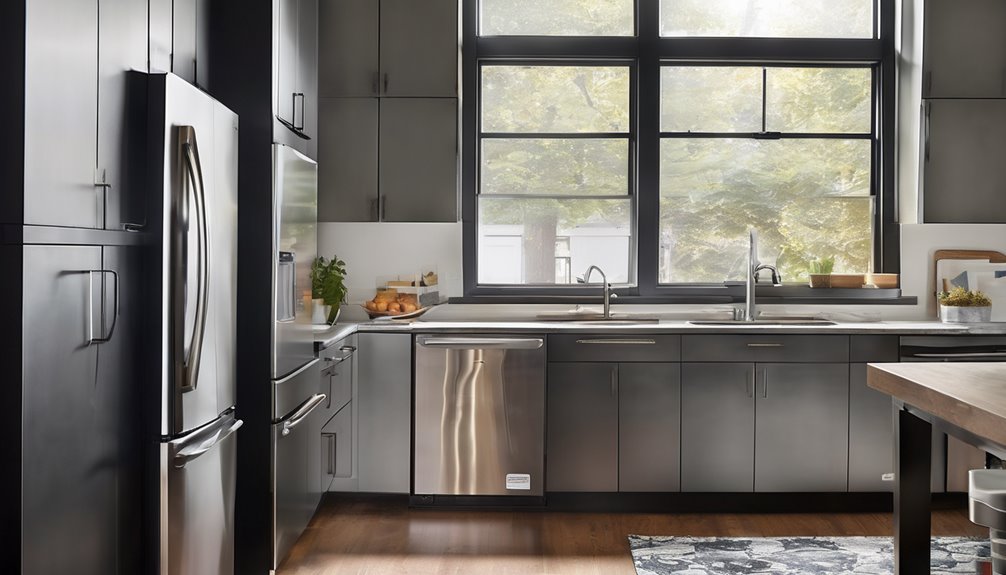
Draft-proofing the kitchen is a practical, cost-effective step you can take without any permits. You’ll reduce drafts, save energy, and feel more at home knowing you control comfort without formal approvals. Data show that sealing gaps around doors, windows, and cabinets cuts heat loss by measurable margins, contributing to lower monthly bills. Focus on high-impact leaks first: around the toe kicks, baseboards, and electrical outlets. Use affordable sealants, weatherstripping, and foam gaskets; replace deteriorated weatherstripping on exterior doors. Take a quick, repeatable approach: test with a simple candle or tissue to locate drafts, then seal and re-test. Maintain a tidy, organized kitchen space so improvements stay effective. You belong here, contributing to a warmer, more efficient home for everyone. draft proofing, seal leaks.
Energy-Smart Storage: Fridge Habits and Food Waste Reduction
You can build on the draft-proofing you’ve done by optimizing fridge use and cutting food waste. In practice, your storage habits dictate energy use and freshness. Keep temperatures steady at about 37–40°F (3–4°C) and avoid overfilling, which hampers airflow. Use clear, labeled containers to monitor portions and reduce spoilage risk. Place ready-to-eat foods toward the front and raw or high-wug items away from heat sources. Schedule weekly audits: rotate stock, use oldest items first, and note nearing-expiry foods. Implement waste prevention by planning meals around existing ingredients, freezing leftovers promptly, and repurposing scraps for stock or sauces. These small, consistent adjustments save energy, lower bills, and foster a sense of shared responsibility in your household. ETL safety also matters when selecting compatible equipment to ensure long-term reliability and safe operation.
Budget-Friendly, Rent-Friendly Upgrades for the Kitchen
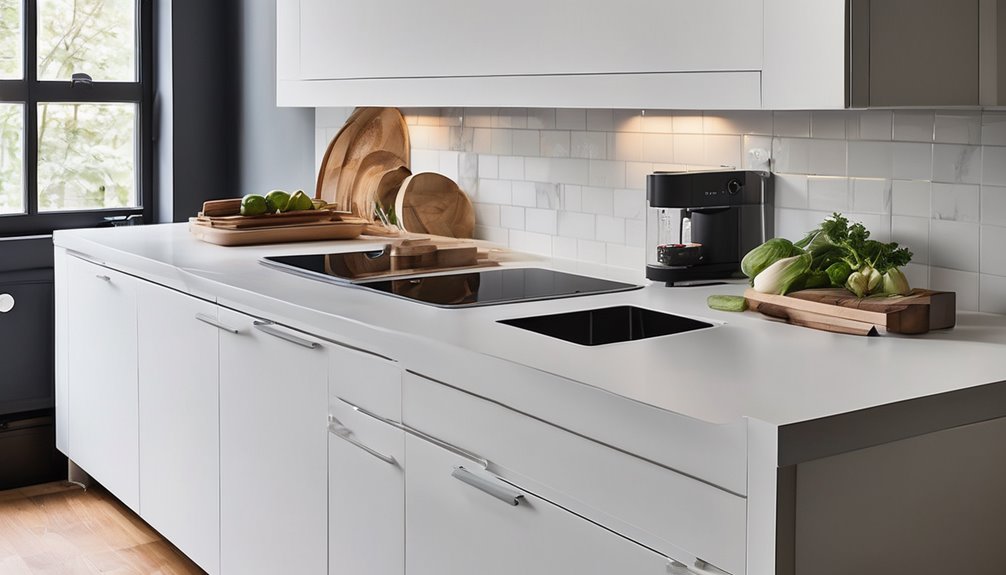
Looking to cut costs without a full remodel? You can upgrade your kitchen with budget-friendly, rent-friendly changes that still move the needle on energy use. Small swaps and smart habits deliver measurable impact without altering walls or permanent fixtures. Prioritize efficiency data: LED under-cabinet lighting, power strips to curb phantom loads, and seal gaps around doors and outlets. These steps cut both utility bills and waste, reinforcing a belonging mindset—everyone saves when the space feels manageable and supported. Implementing portable, rental-safe upgrades keeps you compliant and proactive, not disruptive. Adding removable, energy-efficient upgrades like LED lighting and programmable power strips can further reduce consumption and maintain flexibility without renovations energy efficiency data.
How to Track Your Savings and Set Next Steps
To turn your energy-saving efforts into measurable results, start by tracking usage and setting clear, actionable next steps. You’ll monitor appliance run times, seasonal electricity, and water use with simple tools, then translate data into concrete goals. Use a monthly dashboard to visualize trends and identify efficiency gaps, such as standby power or uneven load during peak hours. Pair each finding with a specific action—swap to energy-saving modes, schedule dishwashing after 9 pm, or seal leaks around cabinets. Track progress weekly, celebrating small wins to reinforce belonging and momentum. For ongoing momentum, create a two-step plan: savings tracking to quantify impact, and next steps planning to prioritize improvements. This approach keeps you focused, accountable, and steadily saving.
Quick Comparison: What to Do This Month vs. Later Investments
When budgeting for energy upgrades, market what you can implement this month versus what should wait for later investments. You’ll see a quick comparison between immediate wins and longer-term gains, helping you plan confidently. This month, focus on low-cost, high-impact changes that fit a renter’s constraints, then map to larger upgrades that require more time or permission. Two word discussion ideas emerge from the data: efficiency quick wins, gradual investments. Later, you can scale based on observed savings and comfort gains. The goal is measurable impact, not overwhelm, so choose options with reliable payback and minimal disruption.
- Immediate fixes with documented savings and comfort gains
- Permissions-friendly, scalable upgrades for later
- Clear milestones linking actions to ongoing costs and benefits
Frequently Asked Questions
Can Renters Negotiate Energy Upgrades With Landlords Effectively?
Yes, you can. You’re steering a tight ship, and clear data backs you up: negotiating leases and energy upgrades often yields cost savings, happier tenants, and steadier property value. Present a concise plan: outline retrofit options, payback periods, and utility bills; cite local incentives; propose shared costs if needed. Stay cooperative, document promises, and track progress. Your approach builds belonging by showing you’re informed, practical, and committed to mutually beneficial, energy-smart upgrades.
What Grants or Rebates Cover Kitchen Energy Improvements for Renters?
Grants or rebates cover kitchen energy improvements, but eligibility varies by location and program. You can look for federal, state, and utility programs listing energy improvements like efficient appliances, insulation, and smart controls. Grants rebates may require project estimates, contractor docs, and timelines. You’ll find databases and filters for renters, including energy efficiency retrofit incentives. Apply promptly, compare timelines, and track costs; these incentives help you reduce upfront expenses while you pursue practical, data-driven energy improvements.
Which Upgrades Have the Fastest Payback in Rent Properties?
The fastest payback in rent properties comes from low-cost, high-impact upgrades like LED lighting, smart thermostats, and efficient appliances you can negotiate with the landlord. Look for quick wins: faucet aerators, low-flow fixtures, and programmable schedules. These rent friendly improvements reduce utility bills fast, often within months. You’ll gain data-driven proof of savings, and tenants like you feel a stronger sense of belonging when you drive practical, measurable energy performance together.
How to Measure Landlord-Approved Energy Savings Without Home Improvements?
Ever wondered how you can measure landlord-approved energy savings without home improvements? You can, by tracking your daily usage against your lease terms and documenting changes in behavior. Start with measuring energy savings through bill comparisons and set clear targets in your landlord agreements. You’ll build trust, prove value, and belong. This data-driven approach keeps both parties aligned, transparent, and confident in shared benefits, even before any upgrades.
Are There Acceptable Temporary Energy-Saving Hacks That Don’T Risk Deposits?
Yes—there are temporary hacks that are deposit-safe. You can optimize with smart habits like batch cooking, energy-aware appliance use during off-peak hours, and sealing leaks around doors or outlets with affordable strips. Track your monthly usage to prove impact, and keep receipts of any non-permanent tweaks. This approach is data-driven and practical, helping you feel you belong in a budget-conscious community while pursuing temporary hacks that won’t risk your deposit.