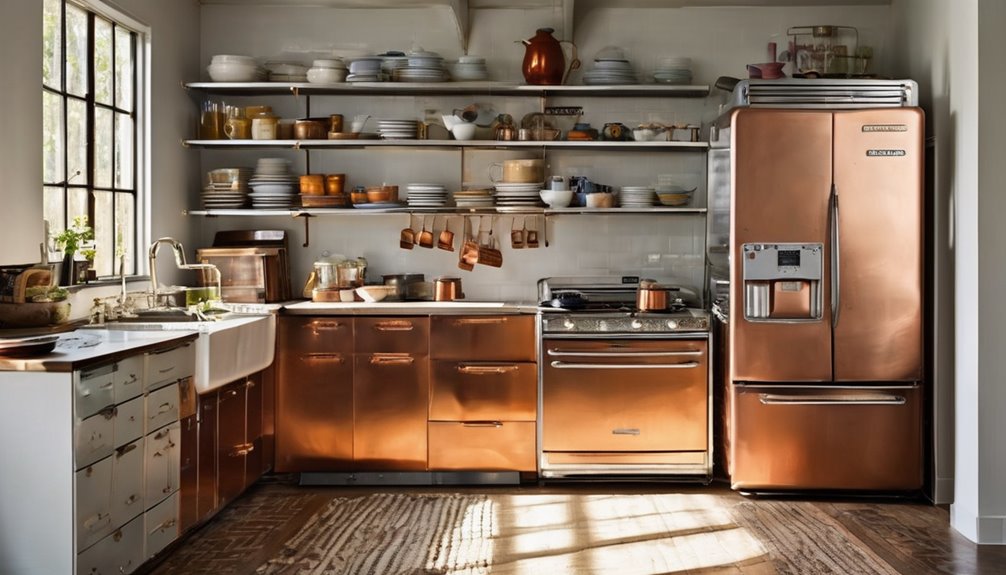
Repurposing old appliances for an efficient kitchen starts with safety and planning. Choose items with minimal wear, sturdy housings, and removable parts for cleaning or replacement. Measure your space precisely, note door swings and ventilation, and map zones for fridge, pantry, and fermentation. Convert an old fridge into a controlled pantry or fermentation nook, and build a cold-storage area with proper airflow. Upgrade affordably with modular parts, monitor energy savings, and document costs to maximize payoff—you’ll learn practical steps that further optimize your setup.
Key Takeaways
- Reuse safety: prioritize sturdy housings, removable parts, and documented maintenance history; inspect for frayed cords, damaged seals, and aging components.
- Plan layout first: map space with precise measurements, note door swings, clearances, and ventilation to avoid installation surprises.
- Convert wisely: turn old fridges into pantry or fermentation spaces with temperature control, labeling, and airflow optimization.
- Create a modular system: favor upgrades like LED lighting, smart thermostats, and programmable timers that preserve function and offer payback.
- Safety and compliance: verify certifications, follow local codes, document modifications, and ensure proper grounding, ventilation, and disposal of nonrepairable parts.
Which Kitchen Appliances Are Safe to Reuse (and Why)
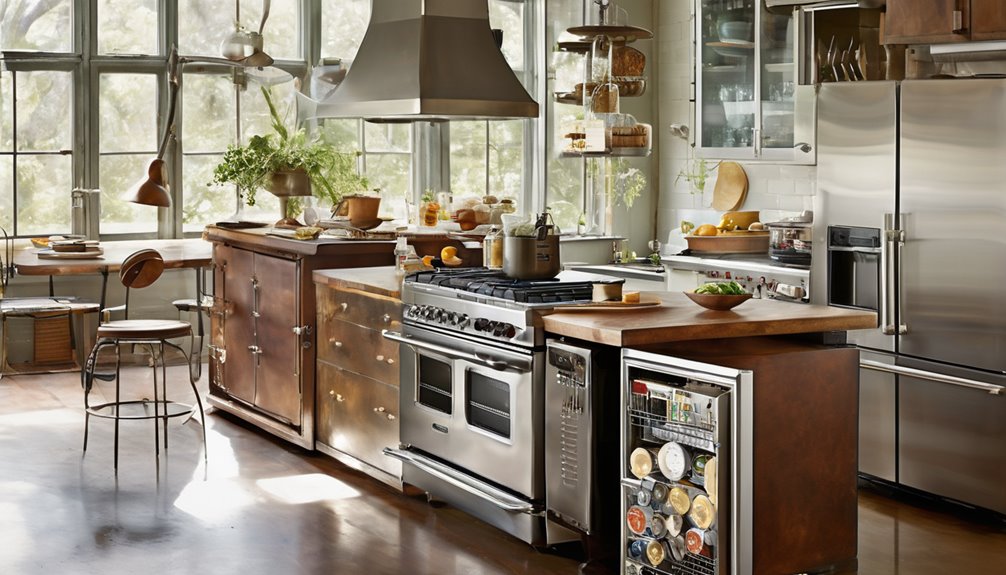
Some kitchen appliances are safer to reuse than others, mainly because of electrical safety, material age, and hygiene considerations. You’ll want to target items with minimal internal wear, sturdy housings, and removable parts you can clean or replace. Small, non-heat-generating tools are often safe to reuse, while heat elements, cords, and gaskets show fatigue quickly. Check for frayed cords, cracked insulation, and damaged seals; if any doubts exist, don’t risk it. When asking “why reuse is safer,” you’re weighing reliability, energy efficiency, and contamination risk. Proper testing, cleaning, and, where possible, parts replacement make reuse practical. Prioritize appliances with manufacturer guidance supporting reuse and maintain a documented history. This approach keeps your kitchen efficient, safe to reuse appliances, and aligned with responsible resource use. Independent adjustment
How to Measure Your Kitchen for Built-In Reconfigurations
To plan built-in reconfigurations efficiently, start by mapping your available space with precise measurements and clear objectives.
- measure existing alcoves, doorways, and appliance depths to avoid surprises
- note wall material, electrical outlets, and plumbing access for future placements
- sketch a grid with inches, labeling zones for fridge, oven, and storage
- include clearances: 1–2 inches for ventilation, 3–6 inches for doors to swing
- verify ceiling height and cabinet depths align with your chosen built ins
- consider the desk-like stability concept with a solid, one-piece surface to minimize warping and ensure a firm work area when reconfiguring layouts one-piece surface
Repurposing an Old Fridge or Freezer Into a Pantry or Fermentation Space
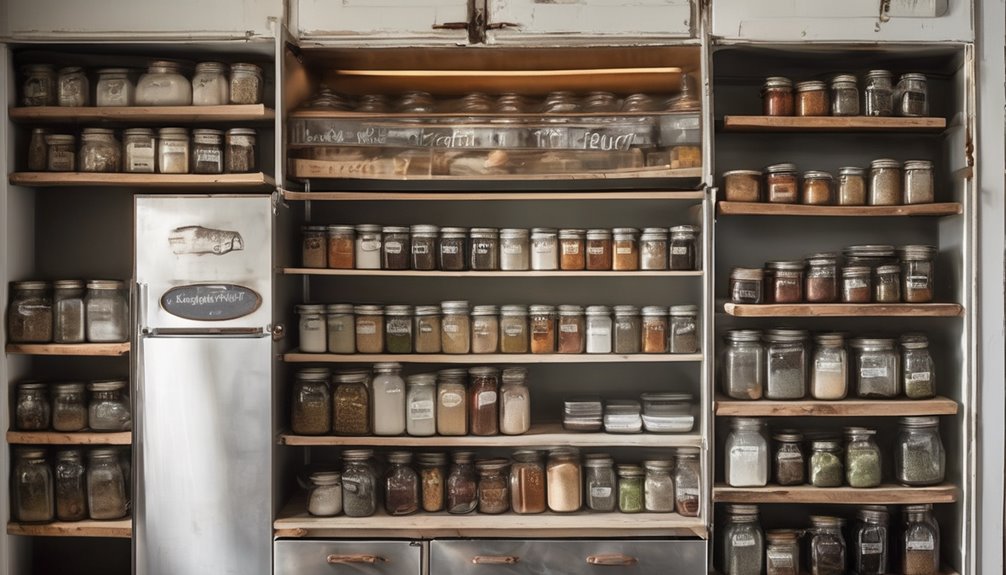
Turning an old fridge or freezer into a pantry or fermentation space can stretch storage during reducing waste. Plan a fermentation-friendly setup with stable temp zones, moisture control, and clear organization so you can easily locate jars and kits. Prioritize evidence-based practices like labeling, using breathable containers, and monitoring temperatures to keep foods safe and flavors consistent. Ensure the space remains BIFMA-certified durability standards are considered when selecting shelves 3D headrest and consider durable high-density foam seats for ancillary kitchen chairs as needed.
Converted Pantry Space
Converted pantry space can be a pivotal shift for compact kitchens, transforming an old fridge or freezer into organized storage or a controlled fermentation station. You’ll gain predictable access, reduce clutter, and streamline meal prep with clearly labeled zones. To start, plan where shelves and bins go, and remember reusing safety is non-negotiable when repurposing appliances.
- Inspect seals, hinges, and coolant safety before use
- Map measurements for shelves, bins, and vents
- Label foods by type and date for easy FIFO
- Lock in ventilation to prevent humidity buildup
- Allocate a dedicated fermentation corner with temperature control
Fermentation-Friendly Setup
Could an old fridge become your fermentation ally? Yes, with a fermentation-friendly setup that emphasizes stability, cleanliness, and accessibility. Start by choosing a non-drawer, straightforward space inside the unit for jars and fermenting vessels, keeping heavy items on shelves at waist height to avoid spills. Control temperature with a dedicated thermometer, aiming a steady range around 60–72°F for most ferments, and use a fan or airlock diet to manage humidity as needed. Safety considerations include sealing gaps to prevent cross-contamination, labeling ferments, and keeping a cleaning routine that uses food-safe sanitizers. Install a small, adjustable shelf for organized staging. Prioritize airflow, avoid heat sources, and document batches for traceability. This practical setup supports consistent results and a sense of belonging to your kitchen community. Stability
Build a Cold-Storage Nook Using Reused Doors and Shelving
If you’re trying to keep produce fresh and drinks cold without a full setup, a cold-storage nook made from reused doors and shelving can be a practical solution.
- reused doors create a compact, customizable entry to your fridge-free zone
- shelving optimization ensures airflow and even cooling for jars and produce
- recovery and reuse minimizes waste while maximizing storage potential
- build ins for cold storage integrate with nearby counters and pantry spaces
- simple ventilation gaps prevent moisture buildup and odors
Think through placement: locate near prep area, use sturdy brackets, and seal edges to reduce drafts. Label zones for dairy, greens, and beverages so everyone contributes. Trust that small changes add up over time, delivering steady organization and better meal planning without waste.
Low-Tech Ways to Make Appliances Save Energy
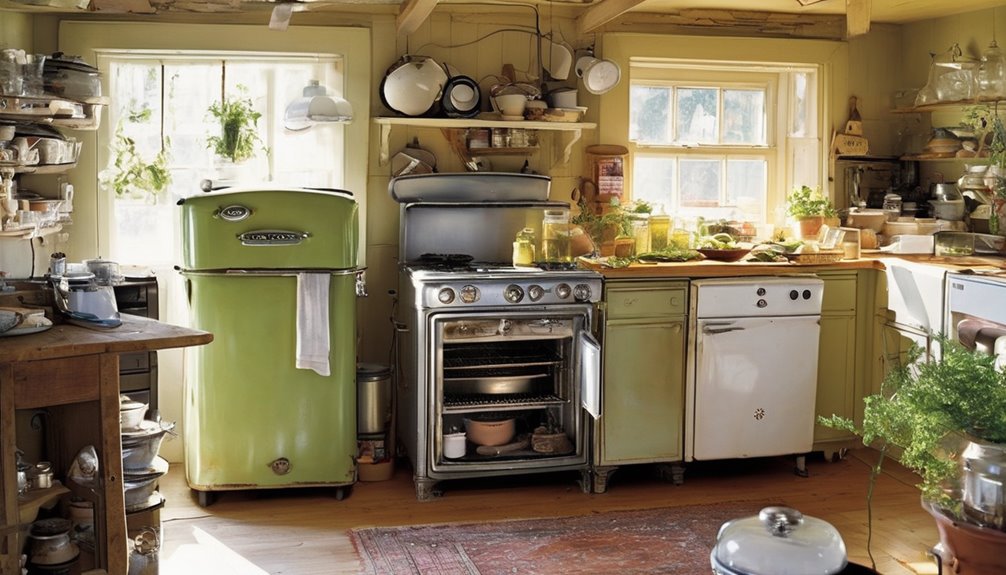
Even small, low-tech tweaks can shave energy use without costing a lot or adding complexity. You’ll boost low tech efficiency by simple habits: run full loads, pre-plan meals to minimize oven heat, and use microwaves for small tasks where appropriate. Keep doors closed, unplug idle devices, and use lids on pots to cut energy without sacrificing flavor. For repurposing safety, check cords and seals before reuse, and avoid overloading outlets or adapters. Clean coils and filters regularly; airflow matters as much as you’d expect. Use programmable timers to avoid unnecessary cooling and heating, especially with old appliances. When in doubt, test one change at a time to measure impact, share your results, and encourage others to join in a practical, energy-conscious routine. Also consider choosing compact variants with wheels and adjustable heights that keep workspaces flexible and energy-efficient due to their streamlined, stable designs. energy-conscious routine
Improve Efficiency With Seals, Insulation, and Reflective Surfaces
Seals, insulation, and reflective surfaces can dramatically cut kitchen energy use by reducing heat loss and repurposing heat efficiently. You’ll feel the difference when gaps are sealed, insulation upgrades are prioritized, and surfaces bounce heat where needed. Practical, evidence-based steps keep you connected to a more efficient kitchen and a sense of belonging in mindful living. Prioritizing high-capacity, multi-zone appliances can further optimize batch cooking for athletes while maintaining energy efficiency dual-basket design and independent zone control.
Budget-Friendly Replacement Parts and Upgrades Without Waste
As you maintain an efficient kitchen without waste, focus on budget-friendly replacement parts and upgrades that pay for themselves over time. Start by targeting high-impact components, like door seals, gaskets, and insulation upgrades, which reduce energy use without costly overhauls. Look for compatible, reputable parts from original manufacturers or trusted aftermarket sources to ensure longevity, not one-off fixes. Compare energy savings, part price, and install effort, then choose the option with the best payback period. Prioritize modular upgrades—LED lighting, smart timers, and programmable thermostats—that improve performance while preserving your appliance’s core function. Document costs and savings to build confidence with future decisions. You’ll feel a sense of belonging through smarter choices that minimize waste and maximize value. budget friendly replacement parts, practicality. Lumbar support
Maintenance, Safety, and Legal Considerations for Repurposed Gear
Repurposing gear adds value, but careful maintenance, safety checks, and legal compliance are non-negotiable. You’ll reduce risk and extend life by prioritizing maintenance safety and understanding legal considerations.
- Inspect structural integrity and wiring before use
- Verify appliance certifications and comply with local codes
- Document modifications for future repairs
- Use proper grounding, ventilation, and outlets
- Dispose of nonrepairable parts responsibly
Maintenance tips you can trust: schedule periodic checks, test safety interlocks, and replace worn components promptly. Safety-first habits protect you and your household, building confidence in repurposed gear. Legal considerations matter: know ownership rights, resale rules, and any warranty limitations that could affect liability. When in doubt, consult a professional. By combining careful upkeep with compliant practices, you create a kitchen that feels like home, where everyone belongs and contributors can share responsibility confidently.
Frequently Asked Questions
Can Repurposed Appliances Affect Food Safety Standards?
Yes, repurposed appliances can affect food safety standards if you don’t apply proper hygiene and sanitation. You must ensure appliance sanitation, including thorough cleaning, removing crevices, and testing temperatures. Regularly sanitize surfaces, avoid cross-contamination, and verify that modified units meet current food safety guidelines. Use evidence-based practices, document sanitation steps, and share tips with your household for belonging and trust. When in doubt, consult local health codes before reuse.
How to Legally Discharge or Recycle Old Refrigerants?
Disposing old refrigerants must follow legal channels: use certified recyclers who reclaim or properly evacuate refrigerants, avoiding illegal venting. You’ll ensure legislation compliance and minimize regulatory liability. Start by checking your state or country’s environmental agency for licensed technicians and approved drop-off sites. Keep records of service receipts, tank IDs, and waste manifests. This shows you value responsible stewardship, fosters belonging, and demonstrates practical, evidence-based refinement of your appliance lifecycle.
What Are Cost Comparisons for DIY vs. Professional Repurposing?
A cost comparison favors DIY when you have time, basic tools, and small-scale projects, but professional help often saves money on mistakes and permits. DIY vs professional hinges on project scope, safety, and warranties. Expect DIY to be cheaper upfront, yet professional services may reduce long-term costs from errors. You’ll value guidance on efficient setup, tool reuse, and energy savings, reinforcing a sense of belonging as you compare options and share practical, evidence-based tips.
Are There Warranties or Insurance Implications for Repurposed Gear?
Repurposing gear is like tacking a strong anchor, so you should know this: yes, there are warranty considerations and potential insurance implications. Check manufacturer terms, as many void warranties when appliances are repurposed outside original use. Contact your insurer to confirm coverage and disclose changes. Keep documentation, safety retrofit s, and professional guidance on file. You’ll protect value, align with policy requirements, and keep your DIY kitchen community confident in your thoughtful, evidence-based approach.
How to Handle Electrical Code Compliance in Renovations?
You should secure electrical permits and follow non technical compliance guidelines before renovations. Check local codes, consult a licensed electrician, and document inspections to stay aligned with safety standards. Don’t skip permits, as they prove your space is safe and lend trust to neighbors and guests. Use practical, evidence-based steps: verify panel capacity, avoid overloading circuits, label modified wiring, and keep a clear upgrade plan for ongoing accessibility and future upgrades.