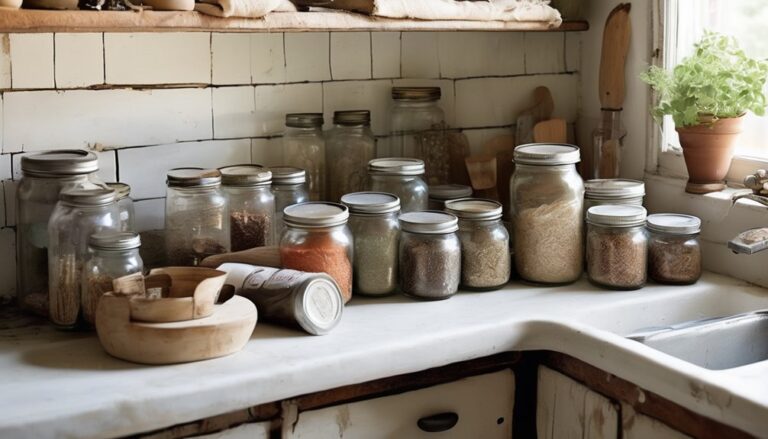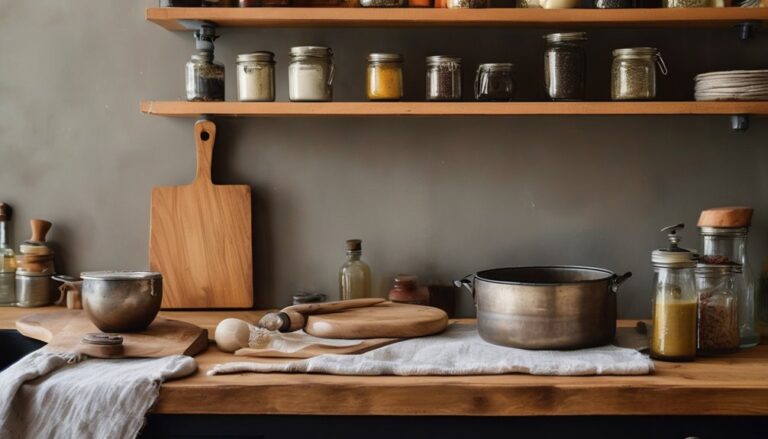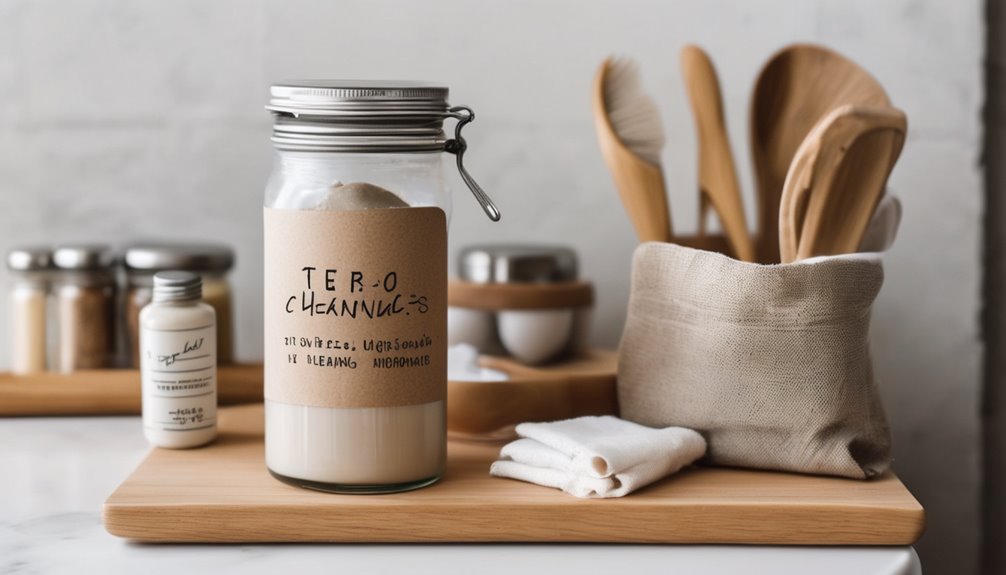
Start with reuse before buying: repurpose jars as storage, mugs as scoops, and trays as boards. Swap to durable, repairable basics—stainless steel, tempered glass, matte finishes, full-tang knives—and repair instead of replace. Cut waste with cloth napkins, reusable bags, and clear, stackable containers. Batch cook to save energy, use smart power strips, and choose ENERGY STAR appliances when affordable. Label everything to curb spoilage, and swap or sell what you don’t need. Curious what else to tweak on a budget? You’ll find more ideas below.
Key Takeaways
- Prioritize reusable basics: cloth napkins, tote bags, and glass jars to replace disposables and cut ongoing costs.
- Reuse-first upgrades: repurpose existing items (jars as storage, mugs as scoops) before buying new.
- Buy secondhand when possible: thrift containers, utensils, and racks to minimize spend.
- Label and organize to reduce waste: clear, stackable containers improve freshness and curb disposal.
- Focus on durable, repairable designs: choose stainless steel, tempered glass, full-tang knives, and repair instead of replace.
What a Budget Zero-Waste Kitchen Looks Like
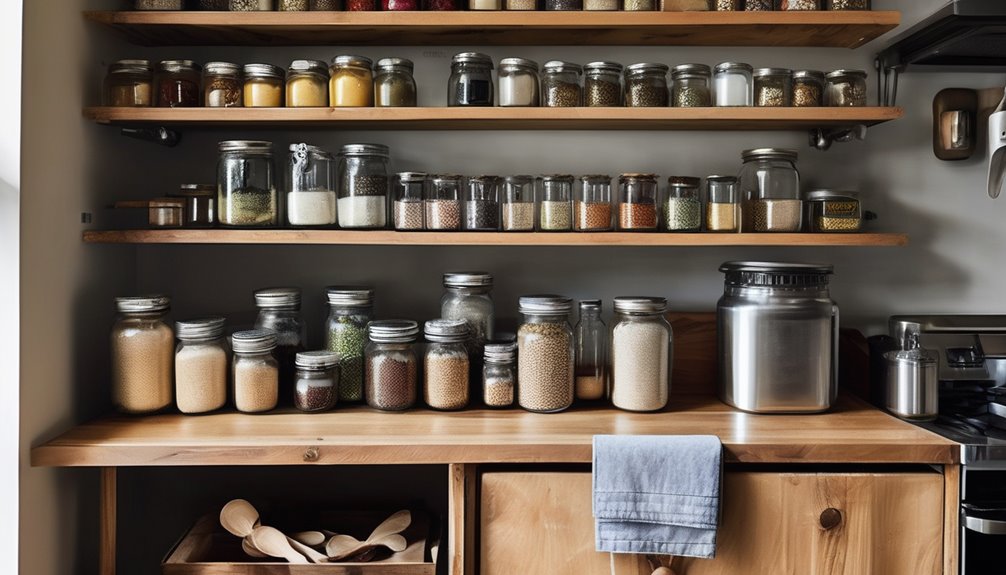
A budget zero-waste kitchen isn’t about perfection; it’s about practical choices that trim waste and costs whereas still working for real life. You’ll focus on simple, communal routines: reuse containers, shop bulk, and plan meals with leftovers in mind. Our approach debunks recycling myths by treating every item’s end-of-life option clearly—glass jars become storage, metal lids seal freshness, and labels come off in one wash. Composting myths fade when you start with a small, accessible bin and kitchen scraps get diverted to a neighbor’s tumbler or a community program. You’ll feel connected, supported, and capable as you choose what works now. Small constants beat big, costly upgrades, and thrift-friendly shifts keep your home welcoming and waste-light. App-controlled high-wattage sous vide units demonstrate how power-use awareness can align with efficiency in a busy kitchen.
Reuse First: Simple Upgrades From What You Already Have
Start by scanning what you already own and repurposing it before buying new. Think simple swaps—glass jars as storage, jars or mugs as scoops, or a mug as a plant pot—to cut waste and costs. With a little creativity, you can repurpose items you have on hand into practical upgrades that trim your budget. Prioritize lightweight, compact solutions that don’t compromise stability and safety for your setup, and consider using adjustable-height desks or components with memory presets to maximize ergonomics within a tight budget memory presets.
Repurpose Before Replacing
What if you could stretch your budget by repurposing what you already own rather than buying new? Start simple: look at durable basics and ask, can this serve another purpose today? Switch uses in your home, swap handles or lids, and give tired items a fresh role rather than replacing them. Replacing pills with persistence saves money and reduces waste, while repurposing keeps the cycle tight. As you repurpose, be mindful of recycling myths—some items aren’t recyclable through curbside programs, so keep them out of the landfill by finding honest reuse options. Also learn basic composting etiquette for kitchen scraps, so your waste stream stays clean and efficient. Small shifts add up, building belonging through thoughtful, shared stewardship. Reuse concept is a helpful lens for evaluating what you already own before buying new.
Budget-Friendly Repurposing Ideas
You don’t need to buy new to get a fresh look or smarter function—start with what you already own. Budget-friendly repurposing ideas put you in control, saving money while boosting everyday usefulness. Look around for items that can be reimagined: jars become storage with labels, old jars with lids become spice organizers, a chipped tray becomes a wall-mounted message board. Swap uses between rooms to avoid buying duplicates, and group similar pieces to create cohesive zones. Simple tweaks—paint, new hardware, or fabric covers—offer budget upgrades without guilt. Embrace zero waste by keeping useful leftovers and reusing containers. This mindset builds belonging: you’re part of a practical community that values clever, low-cost fixes that respect resources and your space. Your home, your budget, your footprint. Austere durability informs how a sturdy, one-piece desktop and steel-frame setup—like HUANUO’s design—can maximize longevity and stability while keeping costs reasonable.
Low-Cost Substitutes That Cut Waste (And Save Money)
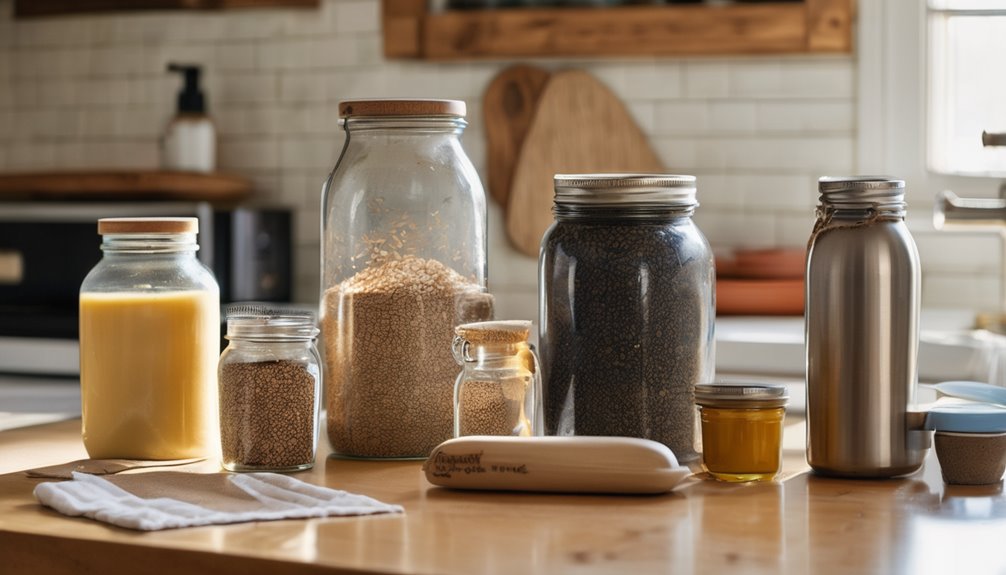
You can slash waste and costs by swapping in reusable, low-cost substitutes that last longer than disposable options. Start with simple, affordable choices that replace single-use items—think cloth napkins, refillable bottles, and durable jars. Each swap saves you money over time and cuts clutter, so you’ll feel the benefit fast. For petite workspaces, consider an ergonomically designed chair that fits a smaller frame to reduce the need for frequent replacements. petite fit
Reusable Swap Costs
Saving money during cutting waste doesn’t have to be stylish. You’ll gain more by choosing a reusable swap that fits your routine, not something flashy. Start with a simple cost comparison: tally the upfront price of a reusable item versus ongoing disposables over a year. For a mug, water bottle, or beeswax wrap, the break-even point is sooner than you think, especially if you already use those items daily. Look for durable options with repairable parts and a universal fit. Buy once, reuse often, then pass along what works to neighbors or friends to reinforce a sense of belonging. Track your savings month by month, and celebrate the minor wins as practical proof that small swaps add up.
Cheap Waste-Wise Alternatives
Ever wonder how to trim waste without trimming your wallet? You’re not alone, and small, smart moves add up. Cheap waste-wise alternatives lean on simple swaps that feel familiar, friendly, and doable.
- budget swaps: swap disposable items for durable, repairable versions you already own
- thrift hacks: shop secondhand for kitchen tools and containers that function like new
- reusables first: choose cloth napkins, tote bags, and jars over disposables
- label and store: organize leftovers in clear, stackable containers to reduce spoilage
- DIY fixes: repair rather than replace quick-to-break items; season with simple maintenance
These steps create belonging: practical, thrift-minded choices that save money and reduce waste, one thoughtful swap at a time.
Durable, Kitchen-Specific Materials That Last
Durable, kitchen-specific materials can stretch your budget without sacrificing performance. You want lasting gear, not disposable fix-ups, so pick items designed for steady use. Look for stainless steel or tempered glass that resists heat, stains, and chips, and opt for reinforced silicone or ceramic blends where you handle frequent prep. When you shop, prioritize simple, repairable designs over flashy features, so you can extend the life of each piece. Choose knives with full tangs, and keep them sharp to avoid premature replacements. Seek matte finishes or brushed textures that hide wear and resist fingerprints, helping you feel confident in a shared space. Durable materials reduce waste and create a kitchen you’re proud to call home. durable materials, kitchen specific. Built-to-last construction and features like built-in strainers or seed catchers can further extend the life of manual juicers and other prep tools.
DIY Energy-Saving Upgrades for the Kitchen
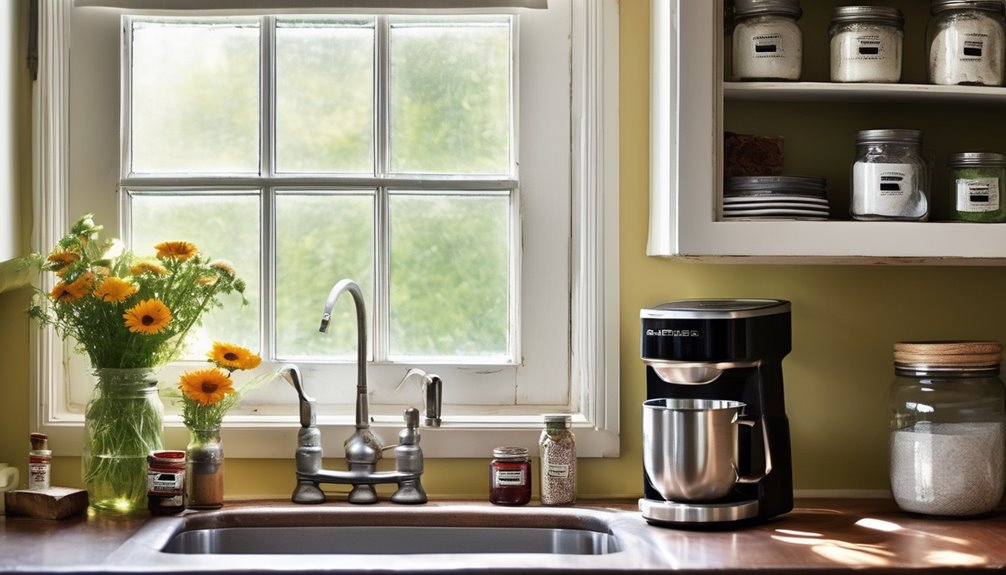
Could you trim your energy bill with a few smart kitchen upgrades? You can squeeze more efficiency without overspending. Start with simple habits—swap to LED under-cabinet lighting and unplug idle appliances to tighten your waste free budgets. Track progress with budget analytics, so every saved watt counts toward long-term goals. Sealing air leaks around cabinets and doors reduces heat loss and drafted cold air, quietly lowering costs. When replacing, choose energy-efficient models with the best ENERGY STAR rating you can afford, prioritizing set-and-forget features. Use smart power strips to cut standby energy, and batch cooking to minimize oven heat. Small changes compound, building a kitchen you’re proud to share with neighbors and friends. Lumbar Support
Local, Circular-Economy Tips: Buy, Sell, and Upcycle
Want to stretch your budget though cutting waste? Local buying and selling taps into circular economy basics without overhauling your life. Start with thrift store finds for everyday needs: sturdy containers, utensils, and a simple wardrobe overhaul that lasts. Before purchasing, ask if you truly need it and what you’ll repurpose if plans change. Sell or swap items you no longer use to fund new buys, turning clutter into cash and momentum. Look for recycled ingredients in household products—cleaning supplies, scrubs, or pantry staples—often cheaper when sourced from bulk or local makers. Repair instead of replace: a loose zipper, a cracked mug, a chipped bowl can become a feature with a tiny fix. Build habits around reuse, sharing, and upcycling to feel connected and purposeful. Localized markets can also support BPA-free materials and durable components, helping ensure safer, longer-lasting choices.
Quick Routines to Maintain Zero-Waste Habits on a Budget
Ever wonder how to keep zero-waste habits steady without blowing your budget? You can build simple routines that stick, today and tomorrow, with minimal fuss and maximum payoff. Start small: rinse and reuse, then stash items in reusable containers so you always have a no-wrap option ready. Make composting basics part of your routine—set a steady, weekly bin-emptying moment so scraps never pile up. When you choose chairs for neck comfort or monitor alignment in a workspace, prioritize adjustable features that support a neutral posture and reduce strain over time Purposeful Adjustability. Use reusable containers for lunches and groceries
- Plan meals to cut impulse purchases
- Carry a compact bag for purchases to avoid wrappers
- Dedicate a 5-minute post-meal cleanup for composting basics
- Label and rotate containers to reduce waste and mystery items
Measure Your Impact: Tracking Savings and Waste Reduction
Tracking your progress is where the payoff shows up. You’ll see small wins add up when you measure savings and waste reduction, so stay purposeful and steady. Start with simple budget tracking: log every zero-waste swap, then total the monthly money saved. Pair that with waste metrics like bags saved, liters diverted, or items repurposed. This isn’t about perfection—it’s about momentum and belonging to a thrift-minded community. Use clear, repeatable steps, so your effort compounds over time. Regularly review results to adjust priorities and continue improving enclosure design efficiency and impact. Below is a quick tracker you can copy and reuse.
Frequently Asked Questions
How Do I Start Zero-Waste on a Tight Budget Quickly?
Start small, you can begin zero-waste on a tight budget quickly by focusing on quick start ideas like reusable bags, bottles, and utensils. Swap closet habits for budget friendly swaps, like thrifted containers and DIY cleaning products. You’ll save money and feel you belong in a community of thrifty, mindful shoppers. Track one week at a time, share tips with friends, and celebrate progress. This practical, thrifty approach builds confidence and steady, budget-friendly momentum.
Which Common Kitchen Items Replace Single-Use Plastics?
Switch to reusable containers and metal utensils to replace single-use plastics. Think of it like a pantry compass: one sturdy, reusable option points you toward every meal. I once swapped a takeout box for a jar, and saved enough to buy a real set of metal utensils after a month. Practical tip: wash jars and bowls between uses, line with a cloth to keep metal pristine, and label lids for easy sorting. Belonging grows from simple, shared habits.
Can I Retrofit What I Own Instead of Buying New?
Yes, you can foster what you own instead of buying new. You’ll transform what you’ve got by cleaning, repurposing, and repairing, turning clutter into treasure. Embrace reusing existing items and seek budget friendly swaps to trim waste. Fix seals, switch liners, and swap out disposables for durable, already-available pieces. This practical approach retrofit belonging—your space reflects shared values, saves money, and proves that smart, thrifty choices still feel like home.
What Are the Cheapest Durable Materials for a Kitchen?
You want cheap, durable kitchen materials, so start with reusable storage and durable cookware that outlasts trends. In a world of flashy, disposable choices, you’ll feel grounded when you pick solid stainless or cast iron, and glass jars you can reseal forever. This is practical thrift: invest once, cook often. You’ll save money, reduce waste, and belong with neighbors who value lasting quality. Stay intentional, repurpose where you can, and build a kitchen that endures.
How Do I Track Savings From Zero-Waste Swaps?
You can track savings from zero-waste swaps by measuring your monthly spend before and after each swap. Use simple labels like “reusable bottle” or “bulk purchases” and document progress in a shared notebook or app. Start with how to measure savings for staples, then total monthly waste costs. Look for patterns, celebrate small wins, and adjust as you go. Your thrift, belonging, and practical actions keep you motivated and on track.