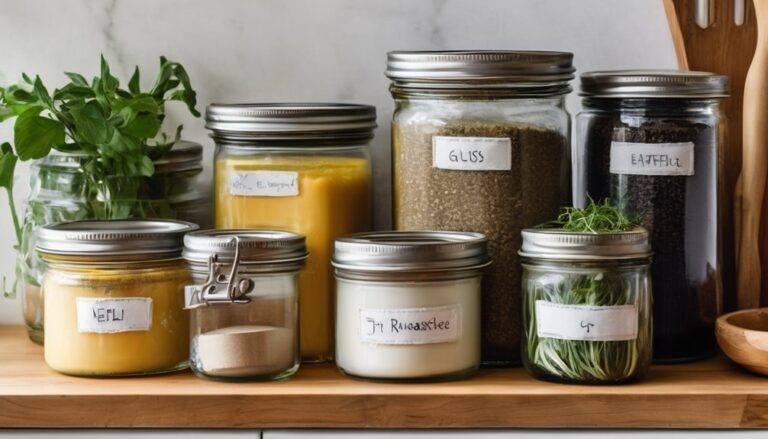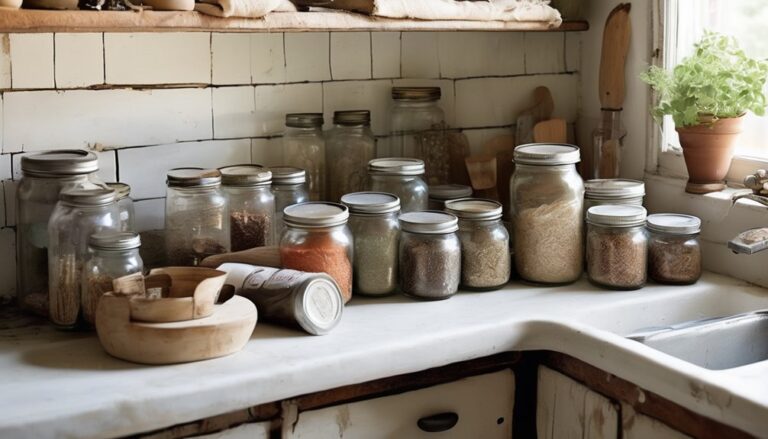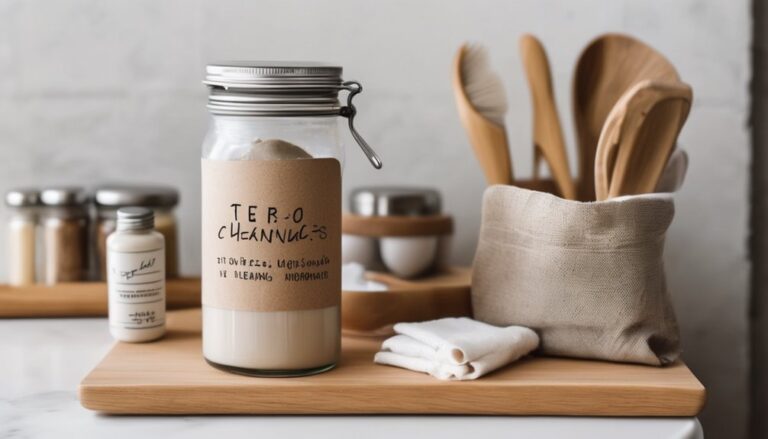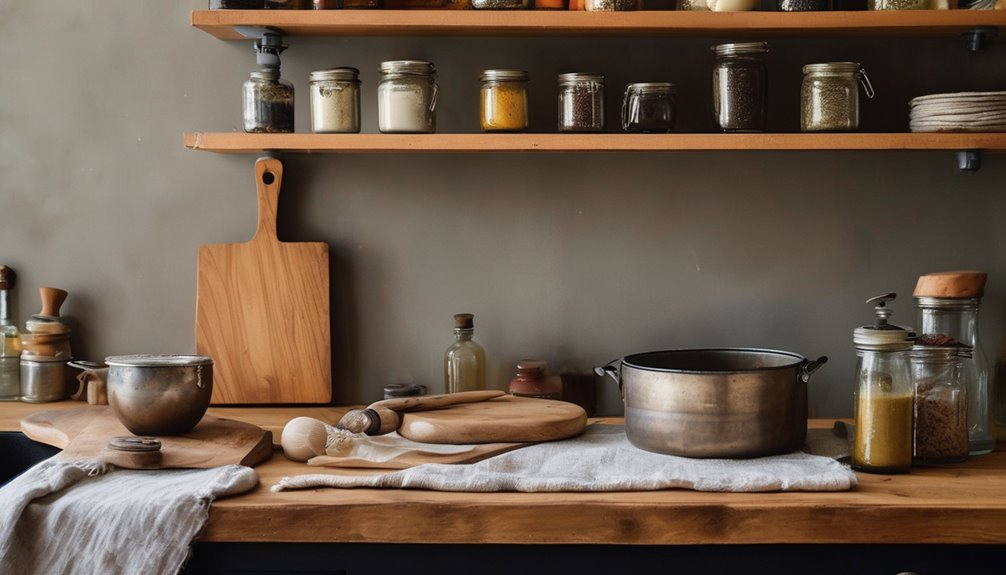
A history of frugal zero-waste kitchen upgrades unfolds as a living archive you curate: durable, repairable tools, shared jars, and cloth towels replace disposables, turning daily meals into memory. You favor modular, repairable gear and repurposing, from reinvented kettles to jar-lid funnels, each choice measured for lifecycle and reuse. Budgeting, batch cooking, and mindful planning become archival methods, while pantry design and tracking impact document small, meaningful wins. If you keep exploring, more practical histories await.
Key Takeaways
- Frugal zero-waste upgrades prioritize durable, repairable tools that reduce disposables and emphasize modular, reusable components.
- Archival practice turns kitchen decisions into a living record, documenting fixes, costs, and outcomes for continuous improvement.
- Baseline gear centers on jars, cloth towels, stainless bowls, and a steel skillet to minimize waste and maximize reuse.
- Repurposing existing tech (e.g., kettles, temp-control rigs) extends utility, cutting new purchases and waste.
- Meal planning, batch cooking, and mindful container tracking form a practical, community-oriented waste-reduction lifecycle.
Start Here: What Frugal Zero-Waste Cooking Really Means
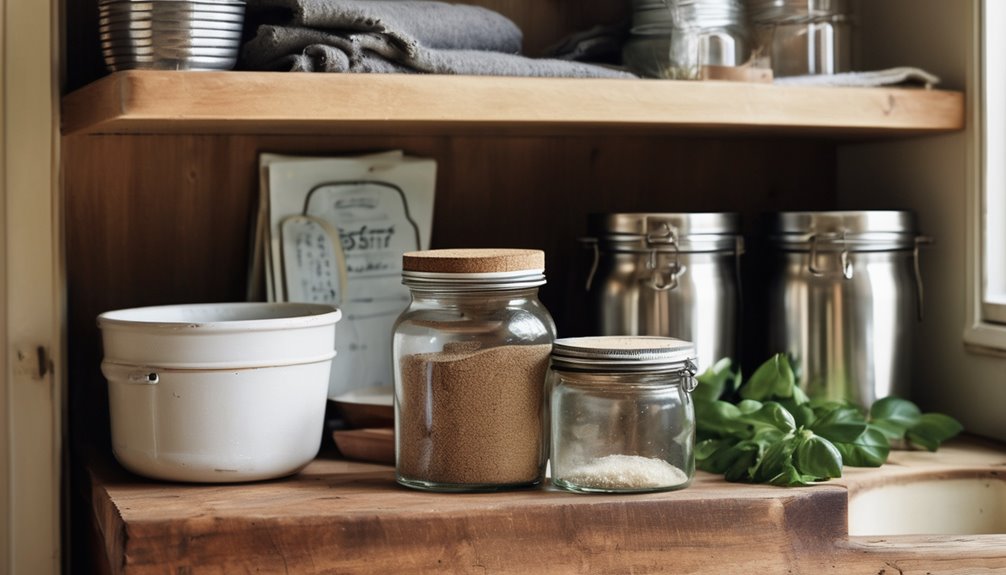
Frugal, zero-waste cooking isn’t radical asceticism so much as a practical change in how you see pantry staples, tools, and time. You’re observing everyday choices that accumulate into systems: scraps become stock, imperfect produce becomes compost, and reused containers map memory onto the routine. This isn’t mysticism; it’s frugal cooking as method, an archive of small decisions that keep resources circulating. Zero waste reasoning invites you to question defaults, reframe value, and layer techniques from kitchen to community. The aim is belonging through shared constraints: you learn to measure, preserve, and improvise with intention. In this view, waste isn’t failure but data, guiding smarter buys, kinder consumption, and a calmer, more connected kitchen rhythm. Resource management informs every step from planning to plate, encouraging mindful preparation and reuse.
Baseline Gear for a Frugal Zero-Waste Kitchen
You’ll start with the baseline gear that quietly anchors a frugal, zero-waste kitchen, from core tools to reusable systems. Observing across disciplines, the essentials—sturdy knives, glass storage, fabric wraps, and a reliable pot—reveal how resourcefulness scales into everyday practice. This archival snapshot invites you to weigh choice, durability, and cost as you map your own frugal toolkit. Auto shut-off safety features in efficient kettles also enhance practical, low-wuss use in small-batch brewing and tea/coffee rituals, underscoring how purposeful design supports frugality and sustainability auto shut-off
Baseline Kitchen Essentials
So what counts as the baseline for a frugal, zero-waste kitchen? You’re observing a quiet archive of essentials that endure, layer by layer. Baseline gear is modest, durable, reusable, and easy to repair, the backbone of frugal upgrades and zero waste budgeting. You’ll notice jars, cloths, and simple tools that minimize disposable waste while maximizing function. This is not about excess; it’s about context, memory, and minimalism with purpose. 5-zone support and the rest of the seating concepts from the ergonomic chair knowledge remind us that solid, reliable foundations support long-term use and comfort, just as sturdy baseline kitchen items support consistent, waste-free cooking.
| Item | Purpose | Benefit |
|---|---|---|
| Mason jars | Storage | Versatility, reuse |
| Cloth towels | Drying, wiping | Replaces disposables |
| Stainless bowls | Mixing | Longevity |
| Steel skillet | Searing | Even heat, durable |
Frugal Zero-Waste Tools
From the baseline established by reusable jars, cloths, and sturdy bowls, the Frugal Zero-Waste Tools section narrows its focus to the gear that preserves utility whereas minimizing waste. You observe tools that endure: a simple, repairable grater; a robust cutting board; a hand-powered mixer; an all-purpose jar lid that doubles as a funnel. The aim is frugal vs. zero waste—to trade disposables for durable reuse, not novelty. We catalog practical, cost-conscious options, prioritizing modularity and repairability over trendiness. Each item is assessed for lifecycle, ease of cleaning, and repurposing potential, supporting cost conscious waste reduction. You feel belonging in a practice that values quiet efficiency, cross-disciplinary insights, and shared stewardship of resources. The collection remains adaptable, ready for evolving kitchens and communities.
DIY Upgrades That Save Money and Cut Waste
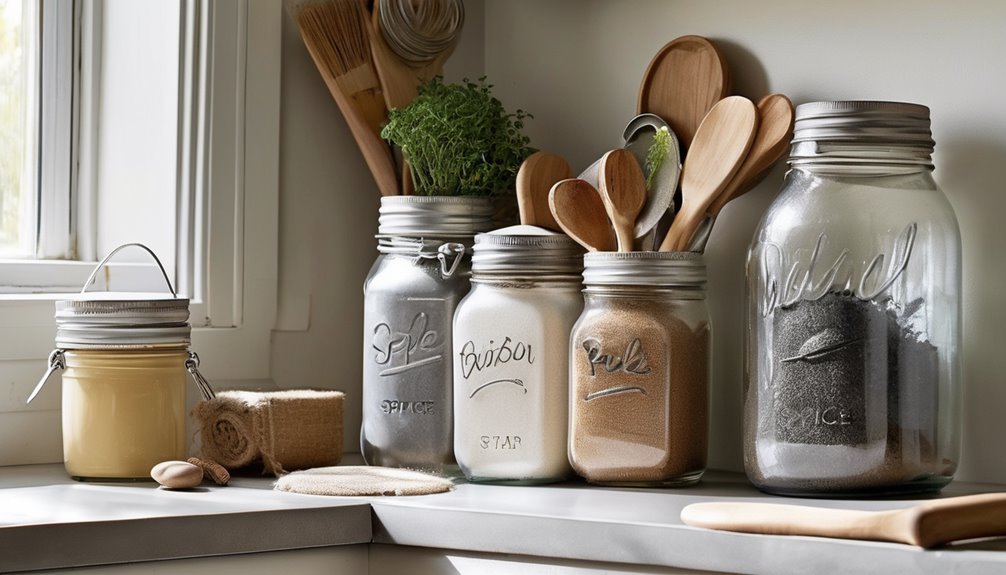
Curious how small changes add up over time? You discover that DIY upgrades aren’t just craft moments; they’re archival gestures, tracing how households shape waste reduction through everyday tinkering. You’ll notice patterns: simple swaps, reused materials, measured efficiency. The kitchen becomes a living notebook of frugal upgrades, where experimentation meets community memory. The approach is interdisciplinary, blending craft, ecology, and design as you document outcomes, costs, and benefits. You’re not chasing perfection, but a shared ethos: align convenience with care, save money, honor limits. In this mood, your choices reflect belonging—conversations with neighbors, family, and critics alike—each note adding to a collective history of mindful, durable living.
Kitchen experiments become a living notebook of mindful, durable living.
- Repurposed jars and containers for storage
- Cloth towels and beeswax wraps for packaging
- Bulk buying and portioning to minimize waste
Repurposing Old Kitchen Tech for Efficiency
Repurposing old kitchen tech isn’t about nostalgia alone; it’s about engineering efficiency from what already exists. You glimpse archival seams where devices once served a single task, now redesigned to reduce waste and stretch utility. This is an interdisciplinary conversation—engineering notes, household myths, and material histories converge as you trace repurposing kettles morphing into heat-retentive storage, or DIY temperature-control rigs that keep slow pastries from drying out. You witness communities sharing sketches, photos, and fixes, signaling belonging through collective tinkering. Reusing toasters becomes a case study in modular adaptation: coils, mounts, and crumb trays repurposed for small-scale warming or herb drying. The approach remains pragmatic, measurable, and human, honoring constraints while inviting mindful experimentation that respects both craft and environment. Pulse-control informs how compact vacuum sealers with external suction and canister use can inspire safer, controlled preservation workflows in repurposed setups.
Budget-Friendly Habits for Cutting Waste and Costs
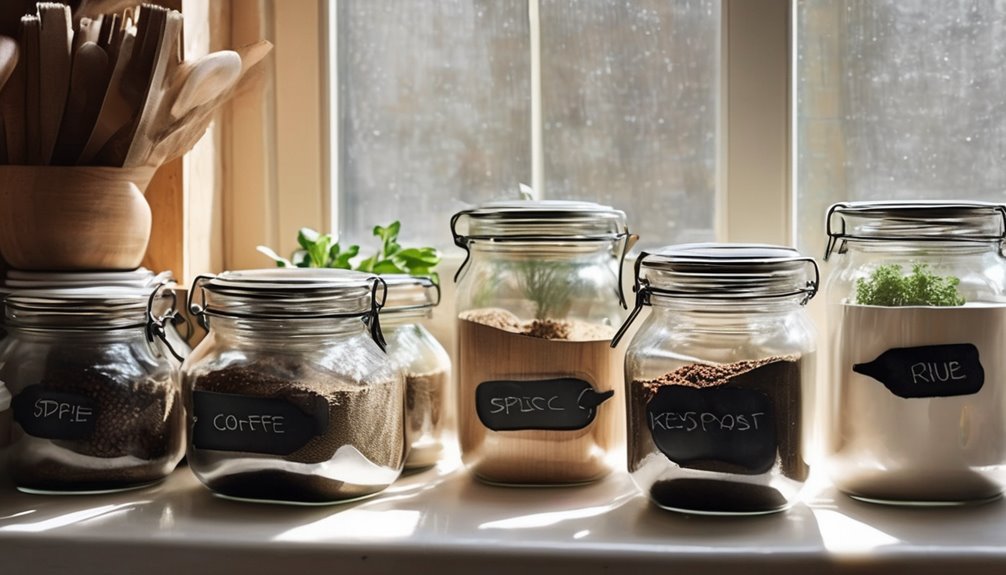
You’ll notice simple frugal habits stacking up over time, quietly shaping how you shop, cook, and store. From meal-planning grids to mindful reuse, these routines trim waste and lower costs without sacrificing quality. This cross-disciplinary lens—history, economics, and everyday practice—frames a practical conversation about what works and why. 300 lb capacity
Simple Frugal Habits
Ever wonder how small, steady shifts can reduce both waste and costs in a kitchen? You’ll notice that everyday choices accumulate, shaping a shared, practical archive of frugal habits and simple upgrades. By tracking old containers, repurposing scraps, and planning meals with a calendar, you turn routine into resilience. This approach treats waste like a clue, guiding smarter purchases and less clutter. You’re not chasing perfection; you’re cultivating belonging through thoughtful routines that respect resources and time. The atmosphere becomes collaborative, where each small win echoes through family meals and community kitchens. Simple, repeatable steps anchor a living tradition. Reuse containers and jars waste reduction, plan meals to minimize leftovers, batch-cook and freeze portions
Waste-Cost Reduction Tricks
Waste costs often reveal themselves in small, everyday choices, and tracking those choices turns frugality into documentation. You adopt simple rituals: label leftovers with dates, reuse jars, and plan meals around near-expiry finds. Frugal techniques emerge as quiet science—testing storage methods, rotating stocks, and pairing ingredients to minimize spoilage. This approach feels archival, as if you’re curating a kitchen history of decisions, not merely chasing savings. Belonging comes through shared language and collective curiosity—neighbors swapping tips, coworkers comparing waste metrics, families validating each tiny win. The result is a pragmatic, interdisciplinary practice that tightens budgets while honoring resourcefulness and care. Shipped inventory and deliberate planning further anchor these habits, turning daily choices into measurable improvements.
Build a Pantry That Serves You, Not Waste Your Budget
A pantry that serves you, not your budget, is a quiet map of daily routines and long-term values, revealing how we choose, store, and reuse. You chart cycles of freshness and use, turning impulse into routine, waste into lesson, dish into memory. This pantry mindset frames decisions as relationships, not rules, inviting collaboration with your kitchen’s history. You’ll blend budgeting strategies with instinct, portioning, rotation, and neighborly sharing, so abundance feels earned rather than imposed. Archival notes whisper of bulk bins, glass jars, and labeled shelves as evidence of care. The goal isn’t perfection but continuity: a living archive you update through need, taste, and time, optimized storage practices.
Track Your Impact: Small Changes, Big Savings
Track your impact by treating small changes as data points in a living archive: a log of every discarded wrapper, every reusable jar, every savings line on the grocery bill. You observe patterns emerge—tiny choices compounding into steadier habits, a ledger of values shaping daily meals. This isn’t abstract; it’s an interdisciplinary record, linking anthropology of consumption with practical kitchen science. You translate friction into insight, labeling fixes like frugal substitutions and noting outcomes with honest metrics. Your budget becomes a map, not a punishment, guiding waste aware budgeting without guilt. Over time, marginal tweaks cohere into a recognizable method: batch cooking, smarter sourcing, inventive preservation. You belong to a community that values thrift, clarity, and intention, one data point at a time. Breathable mesh back and adjustable lumbar support become part of a comfortable standard for long, focused meal planning sessions.
Frequently Asked Questions
How Did Frugal Zero-Waste Kitchens Originate Historically?
You’ll find that historical origins trace back to early households trading scarcity for clever frugal innovations, with stats like a 40% waste reduction in resource-poor kitchens becoming a norm in many communities. You see how frugal innovations emerged across cultures, from reuse-first rituals to modular design—an archival, interdisciplinary thread. You’ll feel you belong in this shared lineage, observing how practical, community-centered practices shaped zero-waste kitchens into a durable, evolving tradition.
What Everyday Foods Drive the Most Waste in Budgets?
You’re asking what everyday foods drive the most waste in budgets, and the answer is: daily staples can become waste drivers when purchased in excess or not stored properly. You’ll notice budget essentials often slip into disposal myths, as imperfect produce earns compost, while leftovers pile up. By tracking portions, planning meals, and honoring value, you create a shared, archival-worthy practice. The goal is belonging through mindful choices, not perfection.
Which Overlooked Tools Maximize Efficiency Without Costing More?
You’ll find overlooked tools maximize efficiency without costing more: thrifted gadgets and simple habits that whisper smart conservation. You’ll observe how old scales, silicone lids, and reusable jars quietly steady waste, while modern timers, cloth napkins, and carbon-filter pitchers blend into daily rituals. You’ll feel belonging as communities swap tips, mend, and repurpose. In this archival, interdisciplinary view, you’ll notice small efficiencies compound, creating durable routines that honor history and future alike.
How Do Cultural Practices Influence Frugal Waste-Cutting Methods?
Cultural practices shape how you cut waste by guiding what you keep, reuse, and share. You observe traditional etiquette around saving scraps, ceremonial leftovers, and repurposing bones or stems within family meal rituals. Regional pantry norms influence how you stock and rotate ingredients, while intergenerational routines teach you to value every crumb. You feel a belonging as you adapt practices, weaving archival memories with present choices to reduce waste in daily kitchen life.
Can Small, Regional Waste-Reduction Tricks Scale Nationally?
You can’t ignore the friction, but yes, small regional waste tricks can scale nationally if you share methods, metrics, and stories. You’ll map regional waste habits, standardize simple practices, and weave them into policy briefs and community programs. By coordinating networks, you’ll transform regional waste into a shared resource, proving that local ingenuity becomes national practice. Your voice anchors belonging as you archive, compare, and adapt, making regional waste a collective, scalable habit.