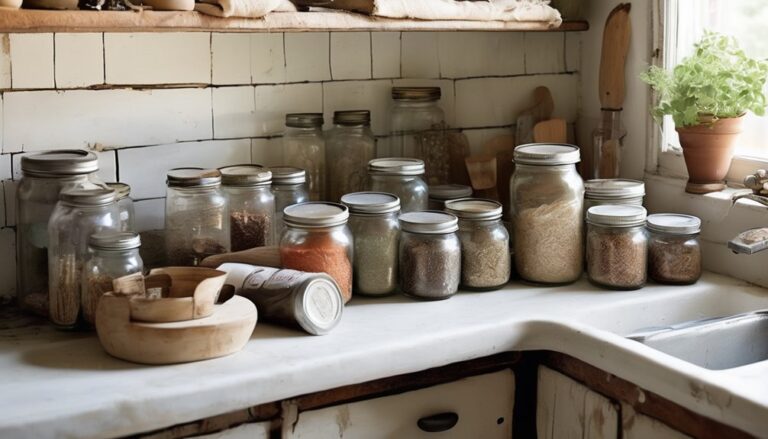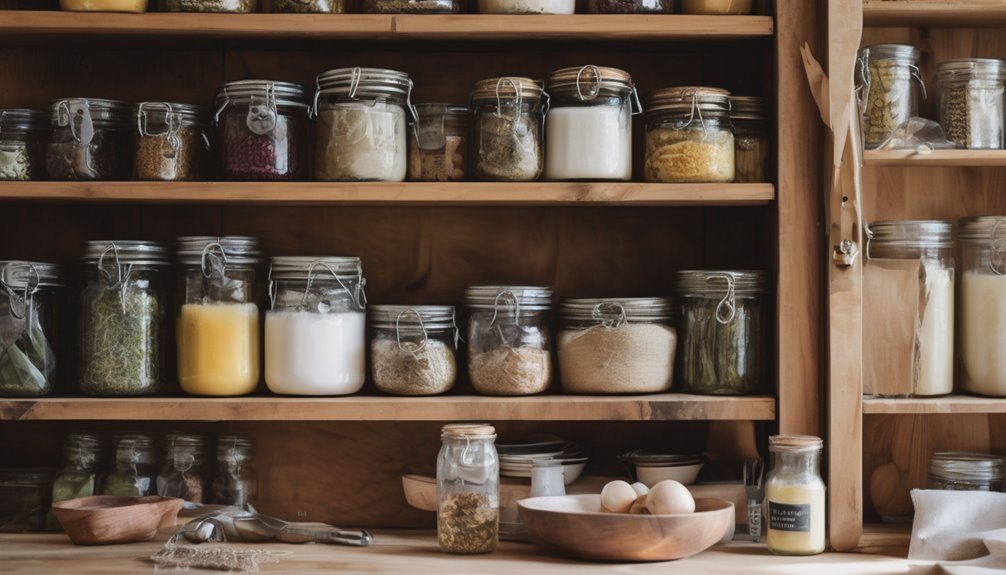
To up-fit a zero-waste kitchen on a dime, start with a compact core: reusable jars, a cloth bag, and a single-bin waste plan, then run two 15-minute setup sessions to label zones and purge duplicates. Track purchases and disposal to spot waste patterns, and test small changes before big commitments. Swap in budget-friendly reusables like fabric napkins and glass jars, keep essential visible, and repurpose before buying more. Want more practical tweaks and steps? They’re ahead.
Key Takeaways
- Start by auditing current items and waste to identify low-cost swaps and essential reps: build a compact core of reusable jars, cloth bag, and multipurpose tools.
- Schedule two 15-minute setup sessions to label storage zones and purge duplicates, ensuring quick, repeatable organization.
- Track purchases, usage, and disposal weekly to spot waste patterns and test small, gentle habit changes.
- Opt budget-friendly reusables (fabric napkins, silicone lids, durable water bottles) and store them where cooking happens for visibility.
- Upfit with simple, space-saving upgrades (repurposed jars, magnetic tins, LED lighting, compact fixtures) to reduce clutter and energy use.
Create a Simple Zero-Waste Kitchen Blueprint You Can Implement This Week
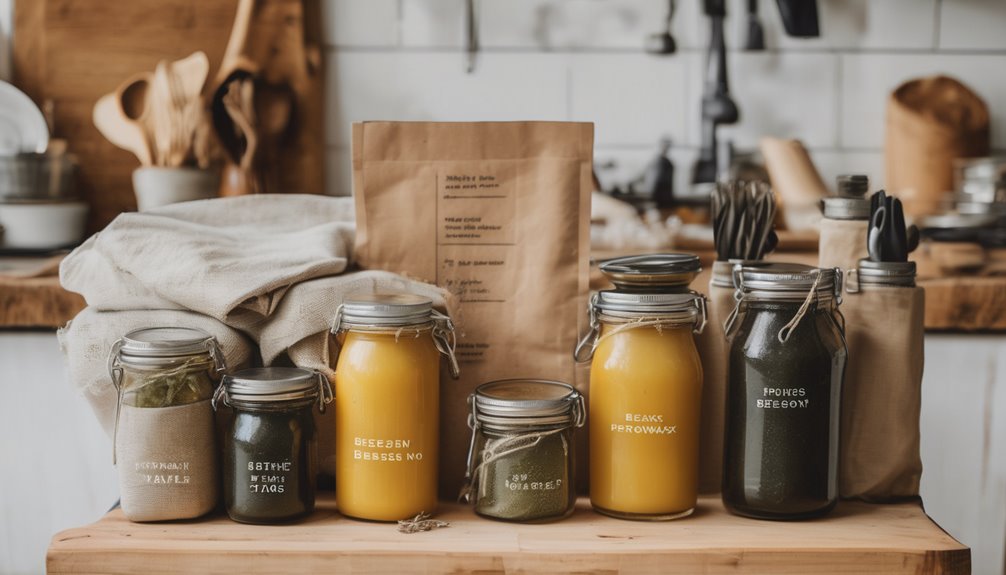
Start by taking stock of what you already have and what you throw away. You’ll sketch a simple blueprint that fits this week’s reality, not some ideal scene. Begin with a compact core: reusable jars, a reliable cloth bag, a small set of multipurpose tools, and a single-bin waste plan. Schedule two 15-minute setup sessions to label storage zones and purge duplicates. Commit to spiritual mindfulness by noticing impulses to buy, then pause, breathe, and ask if new items truly serve your values. Practice extreme minimalism: keep only items that earn their keep daily. Designate a weekly quick-clean ritual and a zero-waste routine for meals, shopping, and scraps. This approach builds belonging through clarity, consistency, and achievable progress.
Audit Your Habits to Cut Waste on a Dime
Are you ready to audit your daily habits and cut waste without breaking the bank? You’ll start with simple, repeatable steps that fit real life. Track what you buy, use, and toss, then notice patterns rather than guilt. Set a weekly check-in to review grocery receipts, packaging, and leftovers, and adjust your routines accordingly. Use clear audit methods like tallying discarded itemsed noting why they were wasted, and testing small changes before bigger commitments. Keep it gentle and practical—focus on doable tweaks, not perfection. Embrace waste tracking as a learning tool that strengthens your belonging in a community of mindful cooks. With consistency, you’ll uncover cheap, smart habits that consistently trim waste and keep your kitchen aligned with your values. Additionally, leveraging a dual-motor approach to furniture and workspace planning can inspire more stable, efficient setups at home, which in turn supports a steadier, waste-conscious routine stability and efficiency across your daily activities.
Swap in Budget-Friendly, Reusable Essentials for Everyday Cooking
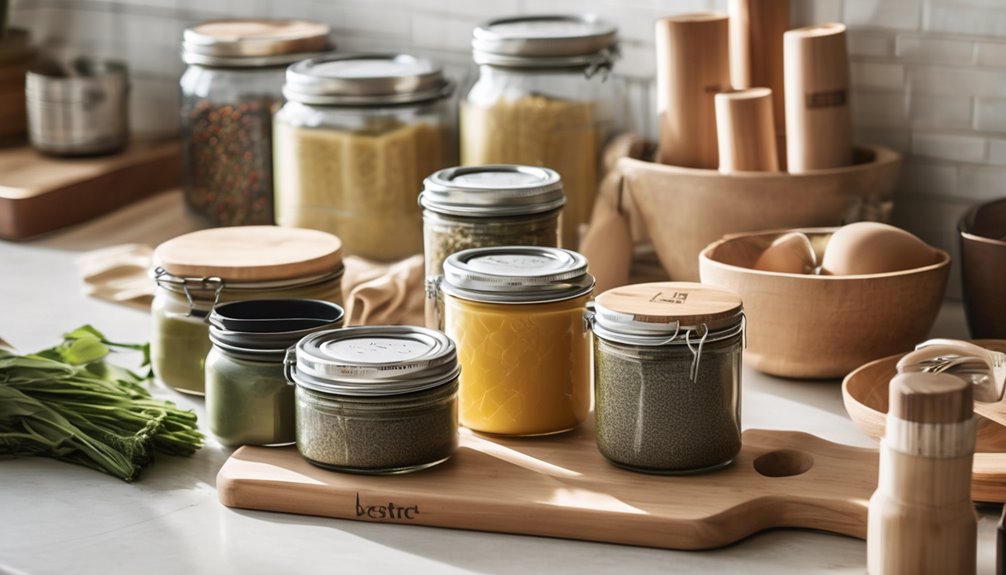
Thinking practically, swapping in budget-friendly, reusable essentials can dramatically cut daily costs and waste. You’ll notice that small, sturdy items become everyday allies: a fabric napkin set replaces disposable towels, a silicone lid substituted for plastic wrap, and a durable water bottle stays with you from dawn to dusk. Embrace budget swaps that don’t skimp on utility; a well-chosen cast-iron skillet lasts generations, while glass jars organize pantry staples with clarity. Keep reusable basics visible and inviting to foster belonging—store them where you cook, label clearly, and involve others in choosing colors or textures. This approach reduces clutter and creates a shared rhythm around cooking, shopping, and cleanup, turning mindful choices into a shared, sustainable habit. durable water bottle
DIY Upgrades That Save Water, Energy, and Space in Small Kitchens
Ever wondered how small tweaks can shrink your water, energy, and footprint without complicating your life? You can start with simple upgrades that fit a tight space and a tight budget. Think upcycling storage ideas—repurposed jars for herbs, magnetic tins for screws, a wall-mounted shelf that frees counter real estate—so you actually see what you have and use it. Choose minimalist fixtures: a water-saving tap, compact dishwasher, and a flat-pack drying rack that tucks away. Lighting matters too: install bright, low-energy LEDs and motion sensors to cut waste. Prioritize multi-use tools and avoid clutter that slows you down. These tweaks cultivate belonging by showing you can care for resources and neighbors while living well in a small kitchen. Kneeling chair can serve as a reminder that ergonomic choices in any space support long-term well-being and productivity, even in tight living areas.
Repurpose, Reuse, and Repair Before Buying New
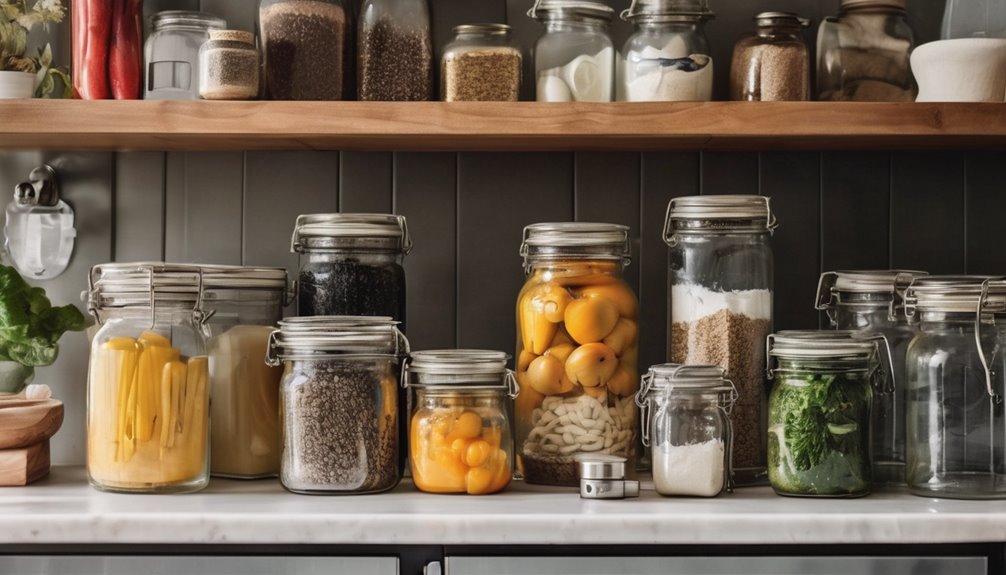
Why buy new when you can breathe new life into what you already own? You’ll start by inspecting what’s in reach: a chipped mug becomes a planter, a worn cutting board doubles as a serving tray. When you need storage, repurpose tools like a sturdy tiffin box or glass jars from sauces—clean, label, and reuse containers for dry goods, leftovers, and bulk buys. Small repairs count: tighten lids, mend seams, sharpen blades, and reseal seams with simple kits. Prioritize multi-use solutions: a pot lid doubles as a steamer tray, a towel becomes a potholder. Document quick fixes so you don’t forget. By choosing to repurpose tools and reuse containers, you build belonging and confidence—your kitchen thrives on thoughtful, inexpensive, and durable choices.
Build a Frugal, Flexible Zero-Waste Pantry Plan
A frugal, flexible zero-waste pantry starts with a simple map: know what you have, what you use, and what you can swap in or out without clutter. You’ll chart staples you reach for weekly, plus seasonal items you can rotate. Build a core list—grains, beans, spices, oils—then identify flexible substitutes so you’re always ready without excess. Store with flexible storage: clear jars, uniform lids, and labeled shelves that invite you to put things back. Use a small, reachable stash for quick meals and a backup reserve for busy days. Batch prep in glass containers, label dates, and audit monthly. This plan supports belonging, cuts waste, and keeps your frugal pantry tidy, purposeful, and ready for whatever meals you crave.
Frequently Asked Questions
How Can I Start a Zero-Waste Kitchen on a Strict Budget?
You can start a zero waste kitchen on a strict budget by beginners’ steps: start budget with simple, reusable swaps, like cloth napkins, jars, and silicone lids. Embrace thrift store sourcing for basics, and debunk zero waste misconceptions by focusing on long-term value. Composting basics help cut waste, whereas mindful shopping prevents impulse buys. You’ll feel you belong as you share tips, learn together, and build community through practical, affordable habits.
What’s the Quickest Way to Reduce Single-Use Plastics at Home?
Quick wins: ditch single-use plastics by choosing plastic-free swaps like glass jars, refillable bottles, and cloth bags. You’ll cut waste fast by swapping to stainless steel or bamboo cutlery, bringing your own mug, and buying in bulk with reusable containers. Keep a small zero-waste kit handy for on-the-spot fixes. Stay mindful, inclusive, and practical—you belong here. You’ll feel the difference as you reduce trash, save money, and inspire others with your steady progress.
Which Affordable Swaps Have the Biggest Waste Impact?
Affordable swaps with the biggest waste impact include reusable produce bags, beeswax wraps, and stainless steel or glass containers for everything from leftovers to bulk buys. You’ll notice less plastic, cheaper refills, and less guilt. Get a simple set of mason jars, a metal straw, and a cloth towel to cover the basics. You belong here, taking small, purposeful steps that compound. Choose what fits your routine, then build on it with curiosity and consistency.
How Do I Store Bulk Goods Without Compromising Freshness?
Store bulk goods in airtight containers to maximize freshness. Choose durable jars or tins, label dates, and use scoop-friendly designs to reduce cross-contamination. For freshness retention, opt for opaque or amber vessels away from light and heat. Explore packaging alternatives like reusable cloth bags or silicone lids. This practice supports waste reduction, helps you feel connected to your kitchen, and reinforces a sense of belonging as you responsibly manage bulk storage together. You’ve got this.
Are Repair and Donation Options Better Than Buying New?
Yes, repair options are kinder to your budget and the planet, but donation options can extend a lifecycle and cultivate community. You’ll save money, reduce waste, and feel connected when you fix or pass along items you no longer need. Start with small fixes, then explore repair options, then generous donations to local programs—your choices build belonging and resilience. Be practical, mindful, and trusting in the value each item still holds.