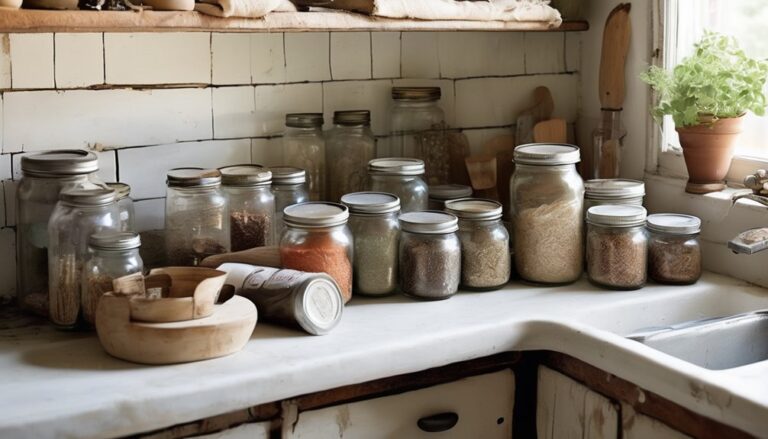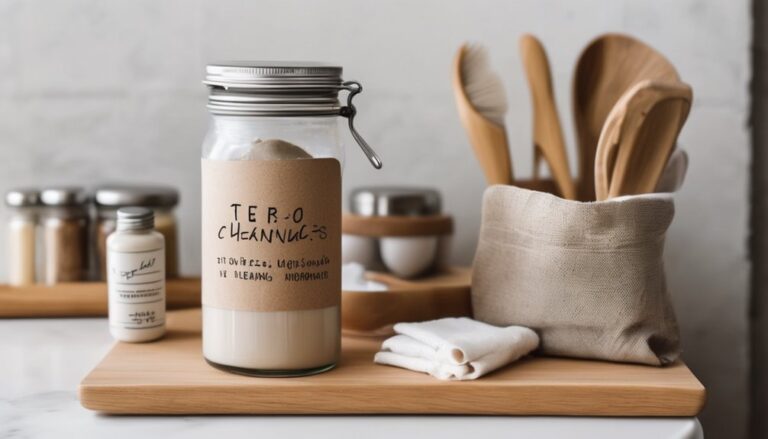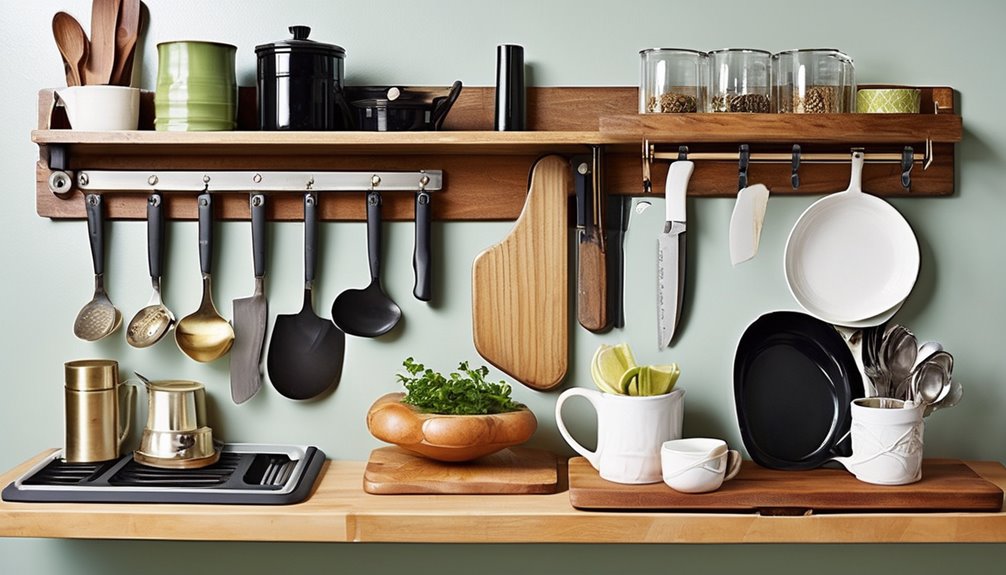
Repurpose smartly by choosing gear that earns its keep in a small kitchen. Prioritize multi-use items, like a compact fridge, modular shelving, and magnetic strips for spices and tools. Use jars for dry goods, and tin cans or wire racks to create tiered storage. Plan your layout with a modular grid, measure twice, and keep pathways clear. Start small, upgrade in stages, and you’ll see how quick tweaks unlock real space. More ideas await as you keep exploring.
Key Takeaways
- Prioritize versatile, multi-use gear (e.g., compact appliances, modular shelving) to maximize function in tight spaces.
- Use upcycled storage ideas (tin cans, jars, wire racks) to create tiered organizers and reduce clutter.
- Install magnetic strips inside cabinet doors for spatulas and tools to reclaim drawer and counter space.
- Plan with a modular grid and zones (prep, storage, reuse) to visualize quick reconfiguration options.
- Add labels, clear organizers, and removable hooks to simplify access and maintenance in small kitchens.
Identify Which Kitchen Gear to Repurpose for Small Kitchens
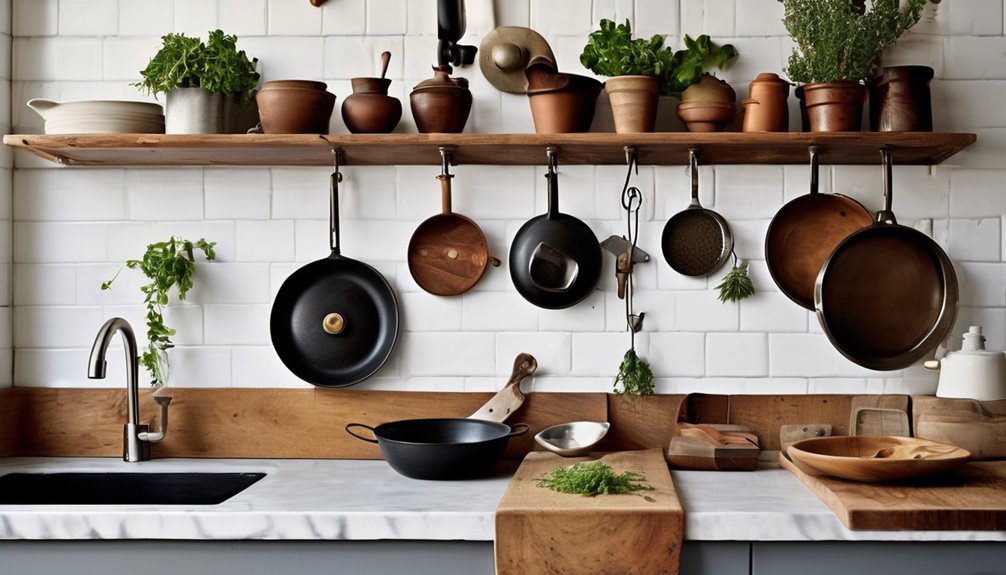
When you’re dealing with a small kitchen, start by identifying which gear you actually use daily and which pieces just take up space. You’ll gain clarity by listing items you touch often and those you rarely touch. Prioritize gear that earns its keep, like a mini fridge that frees shelf space elsewhere or a versatile tool you reach for every day. Consider repurposing pieces that serve multiple tasks, such as a double duty rack that stores both cookware and pantry items in a single footprint. Let functionality guide you: keep items that save time, reduce clutter, and support flow. Set aside or donate the rest, then map a lean setup that feels welcoming and intentional. You’ll feel belonging in a streamlined kitchen, especially when you balance power and efficiency with practical, reusable gear like a flexible stand mixer that can handle multiple tasks in a compact footprint multi-speed capability and scale its use to small-batch cooking.
Measure Twice, Plan Once: A Space-Saving Upgrade Framework
Before you grab tools, measure the space and expectations, then map out where each repurposed item will live. Plan for accessibility, multi-function use, and easy reconfiguration to maximize every inch. This framework keeps your upgrades practical, organized, and ready for quick adjustments. When coordinating upgrades, consider the stability of the surface and the importance of a one-piece design for reduced seams and better rigidity. One-piece desktop provides a solid, uninterrupted work area that helps prevent flex during use.
Measure Twice, Plan
How can you make the most of limited space? You’ll start with a simple habit: measure twice, plan once. Before you swap gear, map your kitchen rhythms and where items truly live. Sketch, measure, and review fit—don’t guess. This upgrade framework helps you choose pieces that earn their keep, avoiding clutter and wasted effort. Think about stackability, accessibility, and multifunction use. When you move to planning, lock in clear boundaries for each item, so every tool has a home and every cabinet has purpose. Table below helps visualize options quickly and keeps you connected with your space-saving goals.
| Item | Size/Span | Purpose |
|---|---|---|
| Drawer divider | 12″ x 3″ | Organizes utensils |
| Collapsible rack | 14″ x 6″ | Adds drying space |
| Magnetic strip | 18″ | Keeps metal tools reachable |
| Stackable container | 10″ | Stores bulk staples |
Space-Saving Upgrade Framework
Let’s put measurement and planning into action with a practical framework you can actually use. This Space-Saving Upgrade Framework guides you to start with quick surveys of your space, tools, and habits, then map needs to constraints. Measure current footprints, door swings, and counter real estate, not just shelves. Plan once by sketching a modular grid: assign zones for prep, storage, and reuse, so every item has a home. Prioritize upcycling aesthetics: shallow trays, peg rails, and stackable baskets that blend with your kitchen’s vibe. Then implement in stages, validating each move before adding more. Embrace modular optimization: pieces that snap, slide, and stack simplify reconfigurations. With clear criteria and shared sense of belonging, you’ll upgrade without chaos, and your space will reflect collaborative, intentional living.
DIY Upgrades for Budget-Smart Storage Solutions
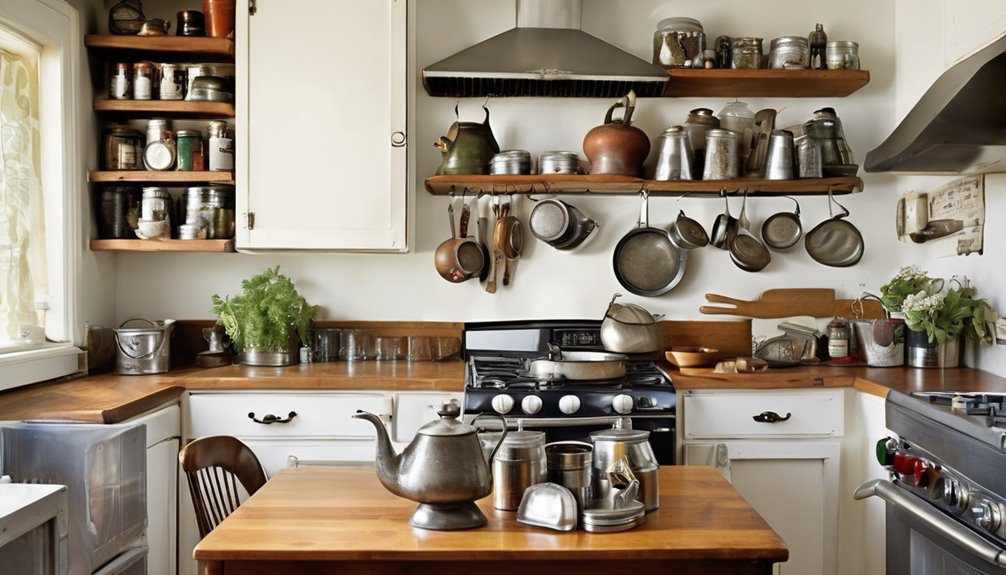
Looking for quick, budget-friendly ways to maximize tiny kitchens? You’ll love DIY upgrades that stretch every inch without breaking the bank. Think modular shelving, stackable bins, and magnetic strips you can mount on walls or inside cabinet doors. Choose compact, budget smart pieces that fit your workflow, then customize with labels and clear organizers to reduce digging. Use tension rods to create narrow, adjustable dividers in cabinets, and adhesive hooks to reclaim door space for measuring spoons or towels. Opt for multi-purpose containers that nest, and repurpose jars for dry goods or swap-cap magnets for spice jars. Keep a minimalist core set, rotate seasonal tools, and maintain a simple system that invites everyone to contribute. Space saving becomes part of daily belonging. Also, consider lightweight, battery-powered compact storage tools or organizers that can be moved easily between spaces to adapt as your workflow changes space-saving tools.
Creative Reuses: From Utensils to Organizers
Turn everyday utensils into quick organizers by grouping similar items and choosing compact storage solutions. Think simple upgrades, like hanging measuring spoons on a magnet strip or using jars for small tools and loose hardware. Share your best dual-purpose ideas and how you keep active prep spaces tidy with smart, low-cost tweaks 24/7 use for busy, all-day kitchen tasks.
Utensil to Organizer Tips
Small-space kitchens don’t leave you much room for bulky organizers, so repurposing common utensils into compact storage can save shelf and counter space. Tilt lock systems from ergonomic chairs teach how configurable ranges can inform practical mounting ideas for stable, adjustable storage setups in tight spots. Utensil organization boosts space optimization without sacrificing style or function.
Creative Upgrade Ideas
What if you could turn everyday utensils into compact organizers with just a few tweaks? You can, using simple upcycling tricks that fit small spaces. Start by grouping similar pieces and mounting a magnetic strip inside a cabinet door to hold spatulas, tongs, and knives. repurpose a tin can into a brush holder by adding holes for drainage and a rubber gasket for grip. Use a wire rack as a tiered tray for spice spoons or measuring scoops, saving drawer space. When you tackle upcycling challenges, choose durable coatings and ensure stability. For material sourcing, scout curbside finds, secondhand shops, or repurposed hardware. This approach builds belonging through shared, practical solutions you can replicate, step by step, in a kitchen that finally feels user-friendly. Temperature control can influence project outcomes when you’re rethinking how heat-safe items are stored near cooking zones.
Energy-Smart Modifications for Small Kitchens
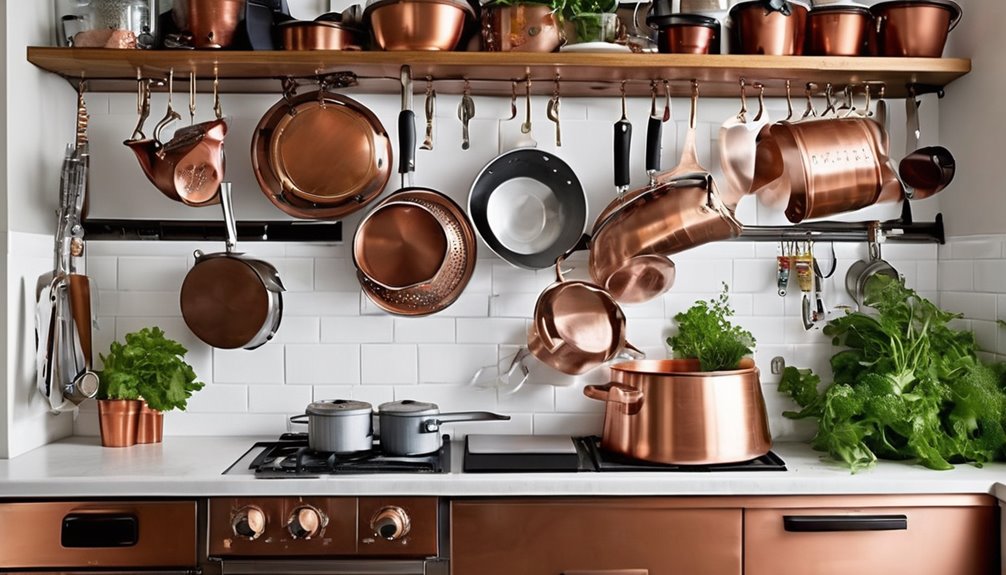
If you’re optimizing a compact kitchen, real gains come from smart, simple upgrades that cut energy use without sacrificing convenience. You’ll feel part of a mindful community when every watt counts, and your space stays welcoming and efficient. Prioritizing energy efficiency means choosing compact appliances that perform well without hogging power, and adopting small habits that keep bills in check. Regular maintenance can further extend appliance life and efficiency energy efficiency benefits.
Safety and Durability When Repurposing Kitchen Gear
Safety and durability matter most when repurposing kitchen gear. You’ll want clear safety checks and practical durability testing to avoid mishaps in tight spaces. Inspect handles, lids, and seals for cracks or looseness before every use. Test weight limits on makeshift shelves, and ensure cords and plugs sit away from heat sources. Label items with load expectations to prevent overreach. When you repurpose, prioritize stability, non-slip bases, and rounded edges to reduce injury risk. Document results so you remember what worked. This keeps you feeling confident and part of a community that shares smart, safe upgrades. Below, a quick idea visual helps you plan efficiently. Check components | Priority: Always
| Test under load | Priority: Moderate|
Quick-Fix Projects With Common Household Materials
Quick-fix projects with common household materials let you stretch space and budget without a trip to the store. You’ll see how small tweaks can curb clutter and feel like you own the space, not the chaos. Use what you already have to simplify daily routines and reclaim countertop real estate. Try simple swaps that honor your sense of belonging—every small win adds up. Lumbar support can be considered when choosing chair-based fixes for long work sessions and improved comfort.
Hacks for a Consistent Look in a Small Kitchen
A cohesive look in a small kitchen hinges on repeating elements you already own, from cabinet hardware to color accents. You’ll lock in consistency by choosing a limited color palette and echoing it across fronts, textiles, and small accessories. Aim for color coordination that ties durability to daily use, not trendiness. Use compact storage ideas that reinforce the scheme: stackable containers in matching hues, labeled bins, and uniform shelving brackets. Keep hardware finishes uniform—brushed nickel or matte black—to unify drawers, doors, and appliances you repurpose. Create repeatable motifs, like a single geometric pattern or a recurring material such as wood grain, then carry them across towels, mats, and canisters. Finally, curate a small display surface with a few favorite items to reinforce belonging without clutter.
Maintenance, Tuning, and Future-Proofing Your Repurposed Kitchen
Ever wondered how to keep a repurposed kitchen running smoothly as it ages? You’ve already built clever habits, now stay proactive with simple upkeep that respects space and community. Maintenance isn’t a chore; it’s a system you trust. Tuning your setup regularly keeps performance consistent and avoids surprises when you’re cooking for friends or family. Schedule quick checks after use to spot loosened hinges, warped shelves, or sticky drawers, and tackle them before they slow you down. Purge and reconfigure as needs shift, preserving efficiency while inviting anyone to contribute ideas. Track essential parts and routine tweaks so you know when upgrades or replacements are due, preserving value and belonging. Keep it tight, practical, and future-friendly through ongoing maintenance and steady tuning. Also consider stability features like anti-slip bases or suction cups to minimize movement during use in compact spaces space-saving design considerations.
Frequently Asked Questions
How Do I Assess Weight Limits for Repurposed Gear?
You should start by evaluating weight limits from any maker specs or existing docs, then safety test in small steps. Inspect joints, fasteners, and load distribution before lifting. Document each test, noting any flex, crack, or looseness. Use a simple scale or calibrated weights to verify capacity, and stop if you see warning signs. Keep fellow DIYers in the loop to build trust and belonging. Safety testing protects you and your crew.
What Tools Are Essential for Quick DIY Upgrades?
You’ll want fundamental tools: a adjustable wrench, screwdriver set, tape measure, utility knife, pliers, and a compact drill for quick upgrades. Think of a tinkerer’s kit like a first-aid bag—you grab what fits, fix what’s needed, and feel capable. In one story, a loose cabinet hinge saved dinner guests a wobble and a laugh, proving small fixes matter. Stay practical, concise, and inclusive; your toolkit builds belonging through hands-on, quick upgrades.
How Can I Paint or Seal Repurposed Items Safely?
To paint or seal repurposed items safely, you should use proper safety gear and follow simple steps. Always wear a mask and gloves, work in a ventilated area, and clean surfaces thoroughly. For paint safety, apply thin coats and let each dry completely. Sealing methods vary, but choose a non-toxic or food-safe finish when items touch foods. This approach keeps you comfortable, protected, and part of a shared, practical crafting community.
Can Repurposed Gear Affect Kitchen Resale Value?
A rising tide lifts all boats: yes, repurposed gear can affect resale value. You might see value uplift when items look cohesive, function well, and meet safety standards. If buyers notice quality upgrades and smart styling, they’ll pay more. Conversely, poor finishes or questionable safety can drag value down. You’ll boost appeal by documenting upgrades, warranties, and cleanliness, making buyers feel they belong in a well-curated, practical kitchen.
Which Common Myths About Small-Space Upcycling Are True?
Myth vs reality: some common upcycling myths aren’t true, and you don’t have to sacrifice function to save space. You’ll find that upcycling myths often hinge on cost or cleanliness, but practicality wins when you plan and test small swaps. You belong here by sharing tips, not judgments. So, keep it simple, measure twice, and trust your hands. With real results, the gap between myth and reality shrinks, and your space feels thoughtful and lived-in.