Budget-friendly kitchen space-saving hacks help you get more usable area without costly renovations. You’ll gain efficiency with compact, modular gear that fits narrow counters and walls, freeing up countertops. Multi-use tools reduce clutter and cut expenses, while smart layouts and labeled storage maximize vertical space. DIY tweaks, pull-out racks, and clear bins keep essentials accessible and organized. You’ll save time, money, and stress as you reclaim real estate—and there’s more you can apply beyond the basics.
Key Takeaways
- Maximizes usable counter and cabinet space with compact, modular designs that fit narrow layouts.
- Reduces costs via multi-use tools and budget-friendly DIY tweaks that cut clutter and expenses.
- Improves organization with labeled bins, tiered storage, and wall-mounted solutions for quick access.
- Enhances energy efficiency by favoring compact appliances, smart plugs, and space-saving layouts.
- Simplifies maintenance and rotation through zone-by-zone decluttering and consistent labeling.
Maximize a Tiny Kitchen on Any Budget: Quick, Install-Now Fixes
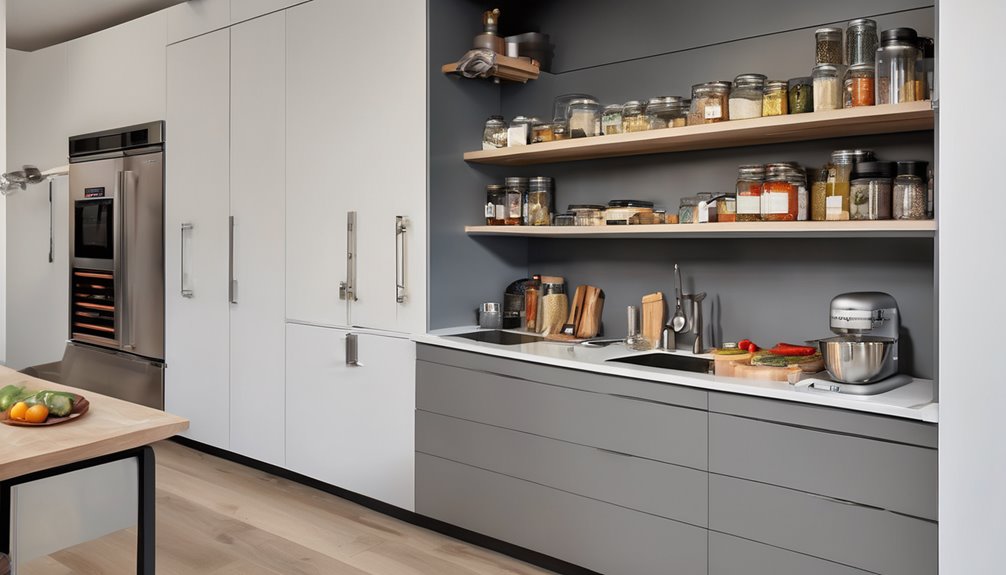
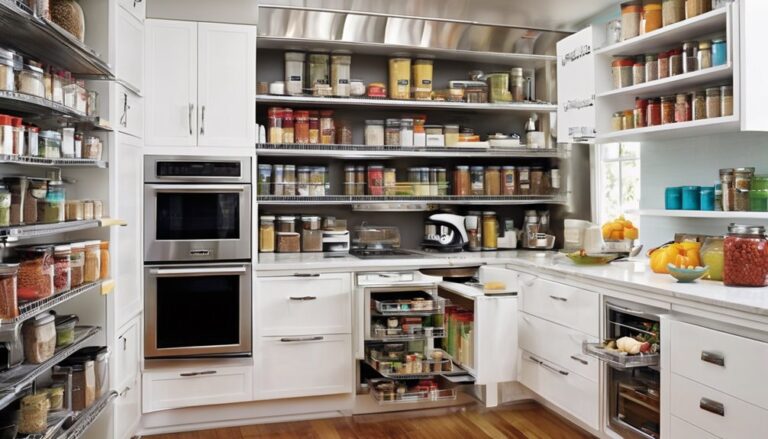
If your kitchen is tiny, you can still maximize every inch with quick, install-now fixes that don’t break the bank. You’ll start with compact appliances that fit narrow counters and expose more surface area for prep. Choose stackables or pendants over bulky models to free floor space without sacrificing function. Add wall-mounted racks and magnetic strips to hold isn’t-in-a-drawers essentials, keeping counters clear. Use tiered organizers inside cabinets to maximize vertical storage, and install pull-out trays for easier access. Embrace budget friendly hacks like removable, adjustable shelves and door-mounted storage to expand capacity without remodeling. This approach creates a cohesive, welcoming zone where you belong, working efficiently with the gear you already own while staying within your budget. Stability and safety are also important considerations when evaluating how your space adapts to new setups, as stable framing and smooth operation help maintain a functional workflow over time.
Pantry, Under-Sink, and Fridge: Budget-First Space-Saving Organization
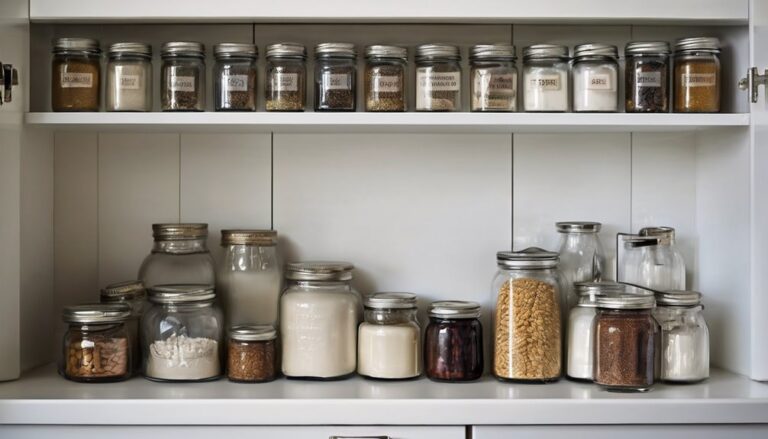
Ever wonder how to reclaim pantry, under-sink, and fridge chaos with budget-friendly efficiency? You can transform small spaces with smart planning and affordable tools. Start with pantry optimization: use labeled clear bins, a lazy Susan, and a narrow shelf unit to create visible zones. For under sink storage, add stackable organizers and a small hook rack for frequently used bottles. In the fridge, common items go front and center, while bins group similar foods to reduce waste. Budget-friendly labeling keeps everyone aligned. Maintain a routine: rotate stock, wipe spills, and adjust layouts as needs shift. Table below highlights essential setup ideas to try now. Fridge Organization supports consistency across all areas and helps sustain orderly routines.
| Idea | Budget Tip | Benefit |
|---|---|---|
| Clear Bins | $1-5 each | Visibility |
| Lazy Susan | Inexpensive | Access reach |
| Stackable Shelves | Cheap upgrade | Extra height |
| Labels | Reusable | Consistency |
| Fridge Bins | Basic plastic | Quick grouping |
Easy Decluttering and Zone-by-Zone Upgrades for Small Kitchens
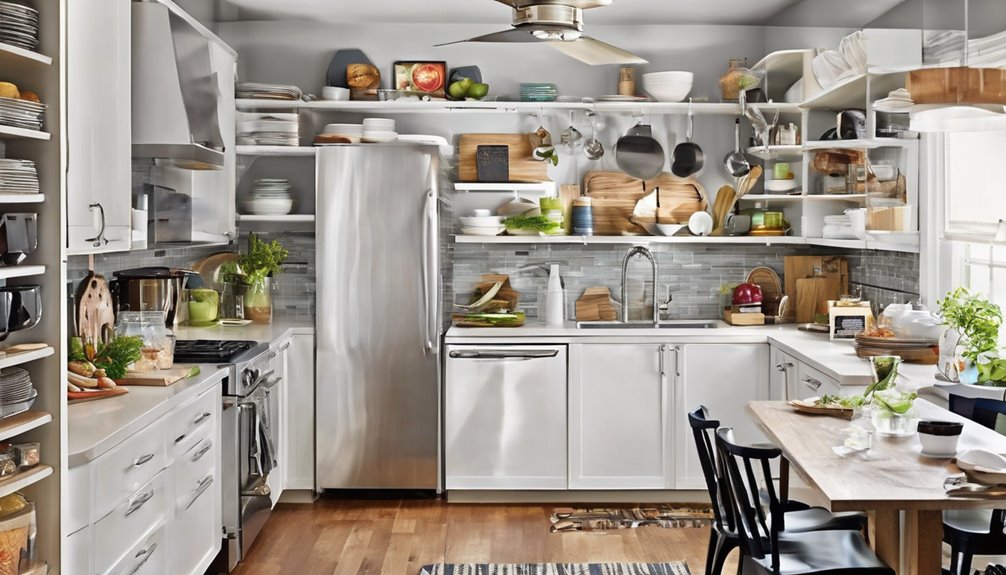
Start by decluttering to reclaim the space you actually use, removing items you haven’t touched in months and clearing visible surfaces. Then, tackle upgrades zone by zone—kitchen work zones, dining nearby, and storage nooks—so each area serves a specific function without overlap. You’ll gain real efficiency by pairing simple decluttering with targeted, budget-friendly tweaks.
Declutter For Space
Decluttering is the first, most practical step to freeing up kitchen space, and it’s easier when you tackle it zone by zone. You’ll build a space maximizing mindset by focusing on function, not form, and using declutter techniques that respect your routines. Keep only what you actually use, label bins, and evaluate what truly adds value to your days. Below are quick actions you can start now: Sort by frequency: daily tools, weekly items, rarely used gadgets. Create a temporary purge zone to prevent backsliding. Group like items and store together for faster access. Reassess after a week, removing what never returned to use. 2D or adjustable arms and other ergonomic considerations can inform how you organize work zones and seating, helping you design a kitchen layout that reduces reach and strain while you declutter.
Zone-by-Zone Upgrades
Zone-by-zone upgrades are a practical way to reclaim kitchen space without a full remodel. You’ll master small, focused changes that add up to big results, starting with budget first decisions that keep costs predictable. In each zone, assess what truly belongs there and what can be moved or stored elsewhere. Use clear, functional storage: shallow rack organizers for the spice zone, a magnetic strip for utensils, and labeled bins in the pantry zone. Keep counters clear by tucking away small appliances you don’t use daily. Prioritize multi-use tools and stackable containers to maximize vertical space. Implement a quick declutter cadence—weekly touchpoints prevent buildup. You’ll feel a shared sense of progress, belonging, and control as you transform your kitchen, zone by zone. Posture Alignment
Energy-Saving Habits and Gear That Free Up Cabinet Real Estate
Energy-Saving Habits and Gear That Free Up Cabinet Real Estate. A budget-friendly approach also benefits from a stable work surface and integrated storage ideas, like keeping a dedicated drawer for frequently used kitchen tools and a monitor-style setup for small appliances when appropriate memory presets.
Energy-Saving Gear Choices
When you pick energy-saving gear that doubles as space savers, you’ll cut both wattage bills and cabinet clutter at the same time.
- energy efficient, compact appliances that fit your layout
- multi-use devices to replace single-function items
- smart plugs and timers to curb standby power
- collapsible or stackable designs that maximize vertical space
Choosing compact appliances helps you store more in existing cabinets without expanding your footprint. Seek units with ENERGY STAR ratings and continuous power-saving modes. Prioritize reversible or modular items you can rearrange as you cook and clean. Look for built-in or under-cabinet models to maintain open counters. Pair gear with practical routines—preplan meals, batch cook, and unplug unused devices. With intentional selection, you’ll sustain a lean, connected kitchen that supports belonging and efficiency. energy efficient, compact appliances matter, and so do thoughtful storage choices.
A new approach to saves is to favor machines designed for pressure profiling in compact forms, which can provide better efficiency per use and reduce wasted hot water and energy over time pressure profiling.
Cabinet-Friendly Practices
Even with energy-saving gear in place, you can reclaim cabinet real estate by pairing compact devices with smart organization. You’ll adopt cabinet etiquette that prioritizes accessibility, visibility, and consistent placement. Place frequently used items at eye level or within easy reach to reduce rummaging and wasted time. Choose shelf compatibility: adjustable racks or slim pullouts that fit your existing depths, so you don’t waste space on unused gaps. Use stackable containers and labeling to maximize vertical space without clutter. Group similar items together, keeping backups tucked behind primary supplies. Opt for multi-use tools to minimize duplicates, and store seasonal gear elsewhere when not in rotation. Compact devices can further enhance efficiency by enabling more versatile kitchen layouts and ensuring repeatable configurations for different tasks, helping you feel rooted in a thoughtful, organized kitchen community.
Multi-Use Kitchen Tools That Save Space and Cut Costs
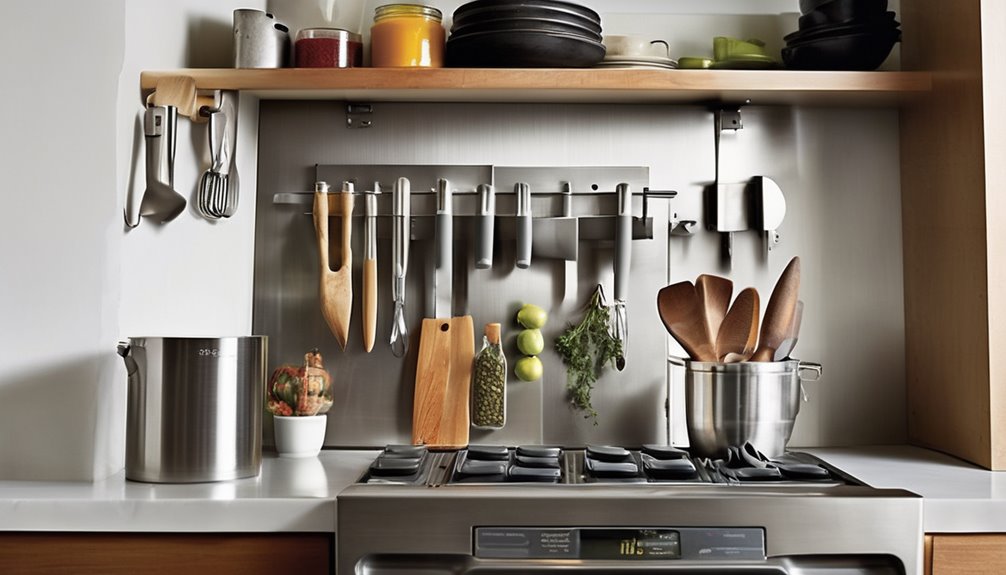
Multi-use kitchen tools are a smart way to maximize space and cut costs, letting you tackle several tasks with one device. You’ll appreciate how a single tool handles chopping, blending, and whisking, reducing clutter and expense. Choose versatile options that fit your routine and storage needs, like compact appliances and modular shelving-friendly designs.
Multi-use tools save space and money, handling chopping, blending, and whisking in one device.
- A 3-in-1 blender-processor that saves countertop space
- A combo grater-slicer with interchangeable blades
- A multi-use cooker that braises, stews, and steams
- A compact, collapsible measuring cup set
These choices streamline workflows, making meal prep feel inclusive and doable. With compact appliances and modular shelving in mind, you’ll build a kitchen that’s efficient, approachable, and welcoming to everyone in your home. A sturdy, durable design with a high lift capacity is referenced in reviews as contributing to long-term reliability lift-cycle endurance and stability.
Quick DIY Projects to Reclaim Kitchen Real Estate
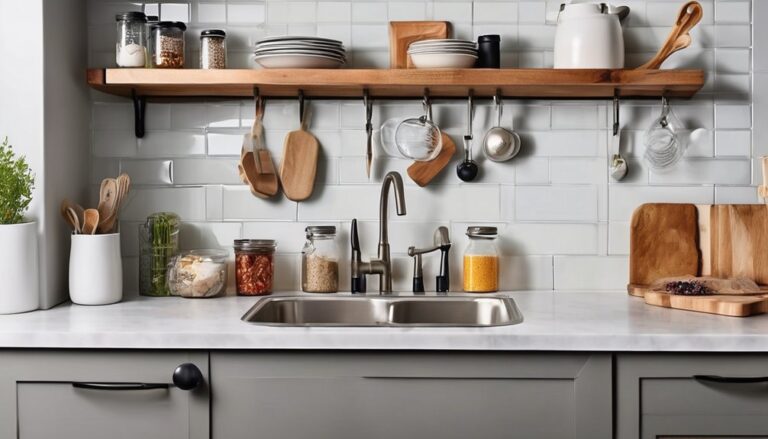
If you want to reclaim precious kitchen real estate fast, start with simple DIY tweaks that don’t require major tools or renovations. You’ll gain space through targeted decluttering, wall-hung shelves, and magnetic strips for knives and lids. Use budget friendly storage bins to corral snacks and spices, labeling for quick findability. Install a pull-out rack inside a cabinet to free counter space without a remodel, and pair it with stackable containers to maximize vertical potential. Create a dedicated charging station on a slim cart that tucks beside the fridge, keeping cords tidy. Consider over-the-door organizers for pans or cleaning supplies. These quick diy ideas deliver practical gains, foster belonging, and prove that thoughtful, affordable tweaks make a meaningful difference. space-saving budget friendly, quick diy.
Frequently Asked Questions
How Can I Measure Small Gaps for Affordable Organizers?
Measuring gaps for affordable organizers starts with a quick stat: 68% of people misjudge space, wasting items. You’ll measure gaps precisely by noting height, width, and depth with a ruler or tape measure, then record in inches or centimeters. Use a notepad to map each area. When you shop, look for affordable organizers that fit these exact gaps, adapt with modular options, and imagine how each piece helps you feel organized and included in a tidy kitchen.
What’s the Cheapest Way to Convert Corners Into Storage?
You can turn corners into storage cheaply by adding simple, modular shelves or stackable baskets that fit tight angles. Use affordable organizers you already own or thrift finds to maximize every inch, no drilling required. Opt for corner shelves that lean against walls, or install tension rods to create tiers. This approach saves money, feels practical, and helps you belong by making your space feel organized, usable, and welcoming. corners to storage becomes intuitive and accessible.
Which Budget Swaps Save the Most Cabinet Space Daily?
Yes — budget swaps save the most cabinet space daily when you swap bulky items for compact, multi-use solutions. Think stackable, nestable, and fold-away designs: flatware trays, collapsible measuring cups, slim roll-out organizers, and wall-mounted racks. You’ll free door shelves and corner gaps, reducing clutter fast. By prioritizing compact essentials, you gain daily access and a sense of belonging in a tidy kitchen, proving practical hacks can truly transform how you live.
Can I Install Space-Saving Shelves Without Tools?
Yes, you can, with clever install options that don’t require tools. Look for tool free installation shelves that use adhesive or tension mounts, or freestanding units you clip in place. You’ll want surfaces rated for weight and easy removal if needed. Consider wall tiles or cabinet doors with built-in rails. By choosing secure, tool-free installation, you feel confident, belong, and keep your kitchen organized without drilling or screws.
What Common Items Double as Storage in Tiny Kitchens?
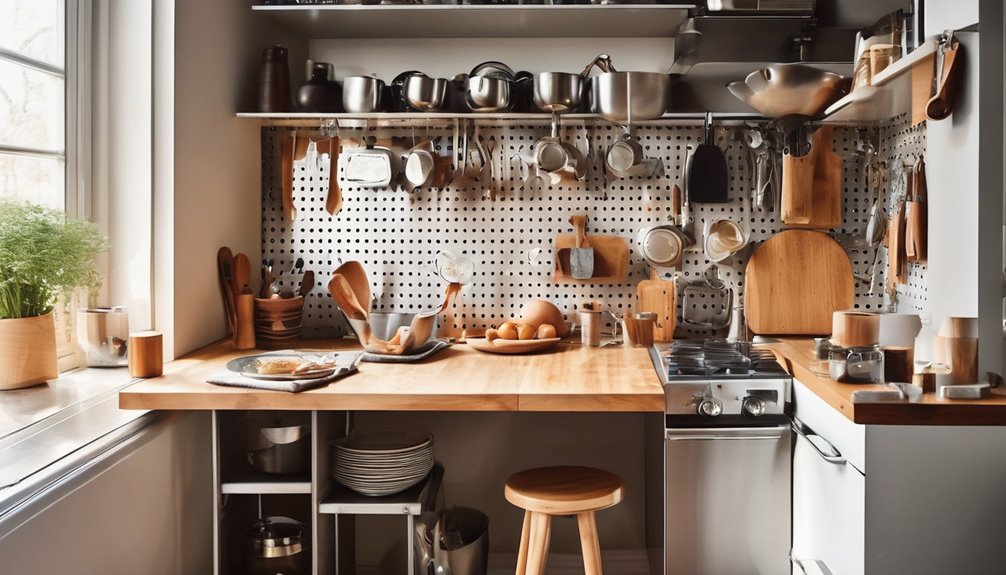
You’ll find common items that double as storage in tiny kitchens in plain sight: collapsible dish racks, stackable shelves, and under-sink organizers. You also can repurpose baking sheets as a pull-out tray, and pegboard for pots and utensils. Keep recycling bins handy for sorting waste, and magnetic strips for knives and spice jars. This approach makes you feel practical, included, and efficient, so you belong in a neatly organized space you actually enjoy using.