You can start by a simple space audit to spot big savings, then map a budget-friendly makeover around efficient prep zones and quick-wins like better lighting and standard sizes. Prioritize gear that saves time, energy, or waste, and pick durable, multi-use basics with replaceable parts. Unplug unused chargers, run full loads, and use lids to cut costs. Seal obvious leaks and use LED lighting. Keep a 30/60/90-day plan to track ROI as you go. You’ll gain momentum as you go.
Key Takeaways
- Start with a clear purpose and forecast annual costs to identify high-impact, budget-friendly upgrades and quick wins.
- Conduct a quick space and workflow audit to remove friction, duplicate gadgets, and optimize layout with low-cost fixes.
- Arrange prep zones with tools near main sink, add vertical storage, and use labeling or color coding for clarity.
- Prioritize durable, multifunction gear that saves time and reduces waste, and calculate payback within 12 months.
- Implement energy-wins (LEDs, full loads, lids) and a 30/60/90-day plan to track ROI and milestones.
Diagnose Your Budget Kitchen Pain Points and Potential Wins
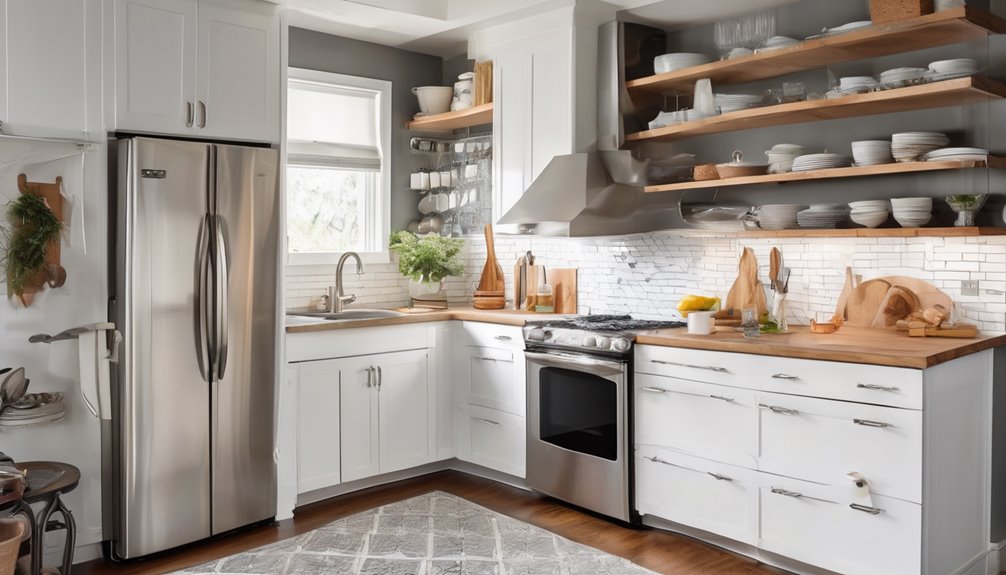
Before you start tweaking your kitchen, map out where money is slipping and where it could buy you more function. You’ll spot budgeting mistakes by tracing every dime—from groceries to gadget renewals. Start with purpose: what tasks eat time or waste space? List must-have functions, then note what you already own that still works. Next, forecast annual costs: energy, maintenance, and replacements. This honesty helps you avoid impulse appliance upgrades that don’t move the needle. Look for quick wins, like reorganizing storage, better lighting, and standardizing sizes to fit existing spaces. Allocate a realistic monthly save toward upgrades, not whims. When you invest, pick durable tools and energy-efficient models that serve daily routines. Your goal: fewer frictions, more belonging—every dollar earned, spent, and saved aligned with family life. A practical approach also includes benchmarking top-rated, energy-efficient options that consistently perform well under daily use energy-efficient models.
Start With a Simple Space Audit to Spot Your Biggest Savings
A simple space audit starts with a quick tour of your kitchen’s real work zones: prep, cooking, cleanup, and storage. You’ll spot where you waste steps, misplace tools, or duplicate gadgets. Do a quick tally: what gets used daily, what sits idle, what causes friction? The goal isn’t perfection, it’s practical improvement you can actually sustain. Note pain points you’d fix first, then map those into simple, low-cost swaps that yield savings wins. Look for clutter that blocks a workflow, underused shelves, and mismatched containers that complicate storage. In a budget kitchen, even small tweaks—rearranging a spice rack, consolidating tools, labeling bins—can save minutes and money. Start audit, act on priorities, and watch your space feel calmer and more aligned. You can also consider ensuring your seating or planning space accommodates longer tasks with weight-capacity considerations in mind to prevent future rearrangements as needs grow.


Design Efficient Prep Zones (Low-Cost Rack Ideas Included)
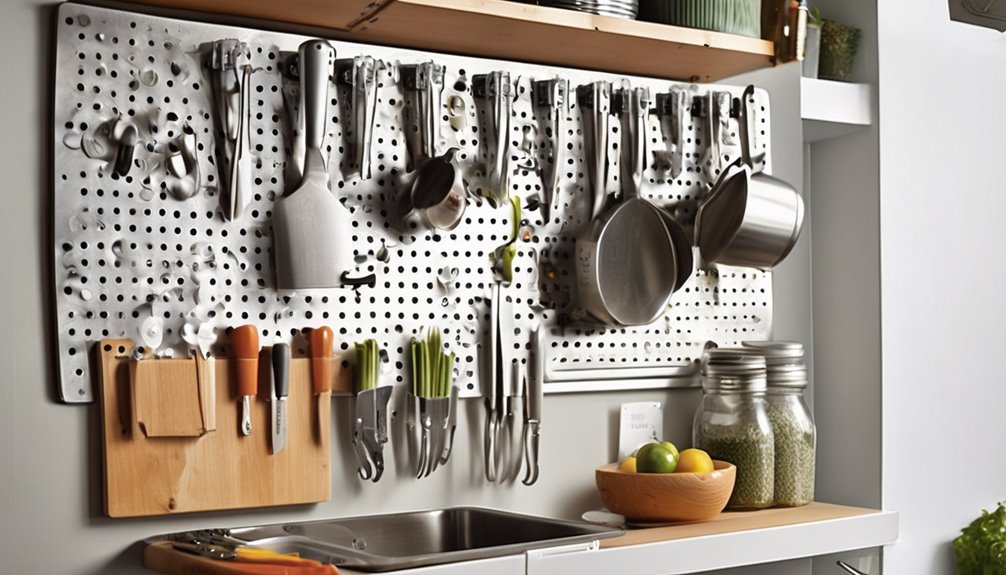
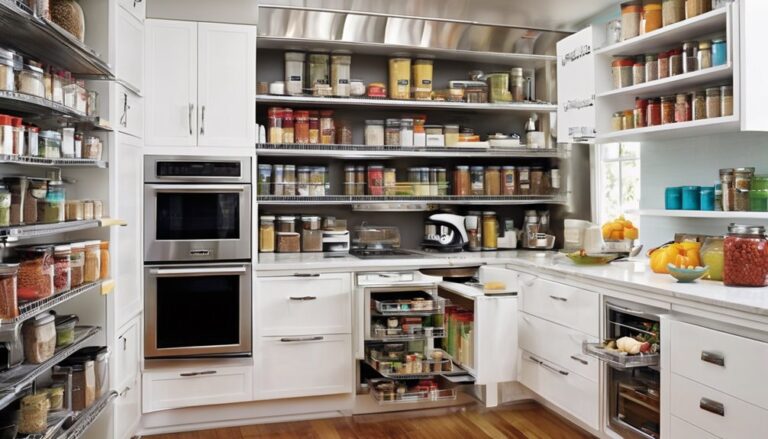
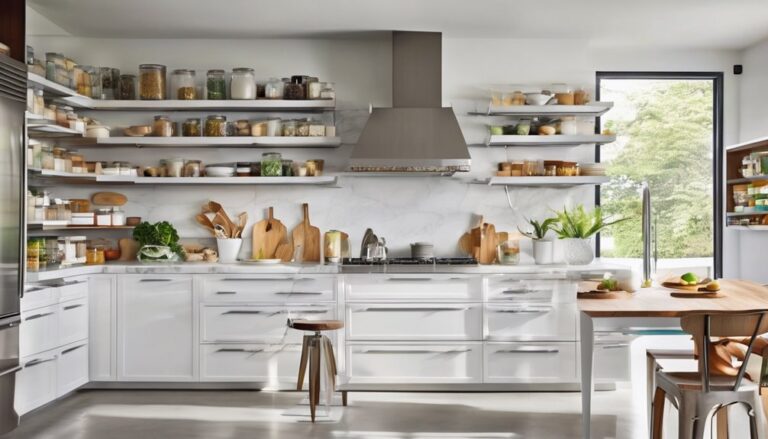
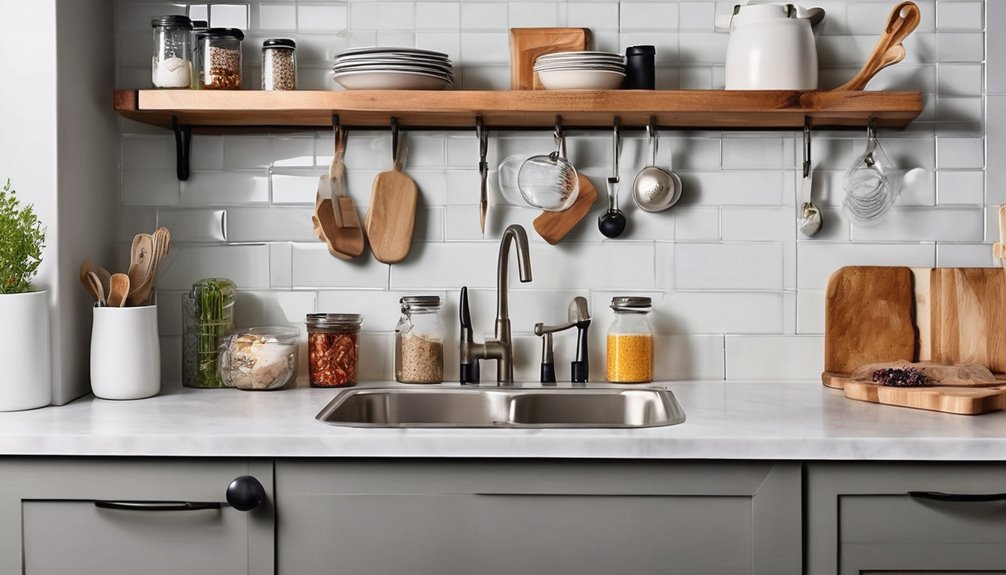
Designing efficient prep zones means arranging tools where you actually use them, not where they look good. You’ll map counter spots to your workflow, so you reach for what you need without wandering. Place knives, chopping boards, and bowls within a few steps of your main sink and prep area. Use vertical space with a low-cost rack ideas like wire racks or peg boards to hold frequently used gadgets, jars, and measuring cups. Keep a dedicated trash/compost bin nearby to minimize trips. Label containers or use color cues so everyone in your kitchen feels included and confident. Simple, affordable racks keep clutter down and efficiency up, helping you stay organized, save time, and enjoy the space you share. Efficient sealing tools like external vacuum sealers can boost freshness and reduce waste for bulk prep, especially when you’re packaging perishable items in advance. External Vacuum Sealer helps maintain produce quality and extend shelf life without taking up extra counter space.
Prioritize Budget-Boosting Gear That Pays Back
Start with tools and gear that pay you back in time or money, not just stylish looks. You want budget gear that delivers steady payback value, so prioritize items that save, replace, or speed up routine tasks. Look for multi-use basics—a sharp knife, a solid cutting board, a reliable kettle—that reduce waste and repetition. Channel your choices toward durability and spare parts, so repairs beat replacements. Compare up-front cost to annual savings, aiming for clear payback value over 12 months. Avoid gimmicks; seek trusted brands, simple maintenance, and energy-efficient design. Keep a tight list: a few versatile, well-made pieces beat a garage-full of novelty gadgets. When you buy smart, your kitchen becomes a value center you’ll proudly share with friends and family. A budget-smart kitchen also benefits from pieces with durable design and readily available replacement parts to extend service life.
Upgrade Energy Use Today: Quick Wins and Smart Bets
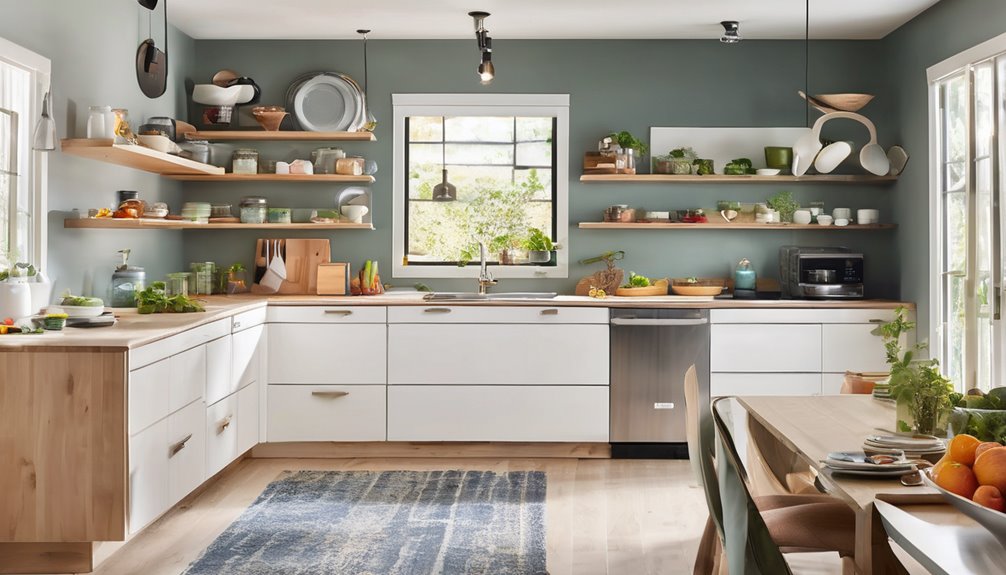
What quick wins can you grab now to cut energy use without more hassle? You can start with simple habits and smart picks. Switch to energy optimization basics: unplug chargers when not in use, run full loads, and use lids to reduce stovetop time. Swap to budget aware appliances with efficient settings, like fridges set to optimal temperatures and dishwashers on eco modes. Seal leaks around doors and windows to keep heat in during winter and out in summer, lowering both heating and cooling needs. Consider LED lighting and smart plugs to monitor tiny energy suckers. Schedule routine maintenance, clean vents, and ensure coils stay clear. Small, deliberate shifts add up, helping your kitchen feel resourceful, connected, and truly yours. Regular maintenance and a robust cooling/automation approach support sustainable performance maintenance practices and contribute to durable, energy-smart operation.
Durable, Budget-Friendly Style That Lasts
Ever wonder how to nail durable, budget-friendly style that lasts in a kitchen you actually use? You want gear that ages gracefully, not flashy one-and-done purchases. Prioritize solid materials, simple silhouettes, and easy repairs. Choose stainless steel, reinforced plastics, and ceramic wear—these deliver budget durability and affordable longevity. Refinish instead of replace: a fresh coat of paint on cabinets, consistent hardware updates, and routine gasket checks keep things going. Layer function with timeless design so your space feels cohesive and welcoming, not disposable. For lasting comfort and support in seating, look for features like high-density memory foam and ergonomic contouring to reduce tailbone pressure and promote proper posture. Long-Lasting Support
30/60/90-Day Plan: Quick Wins, Then Long-Term Strategy
Ready to turn ideas into action without breaking the bank? You’ll map a 60/90-day plan that delivers quick wins and clarity for the long haul. Start with budget friendly tweaks you can complete in a weekend—organize prep zones, declutter counters, and label containers for faster flow. Track gear ROI by noting which gadgets actually save time or reduce waste, then prune the rest. Set concrete milestones: days 1–30 for reorganization and energy upgrades, days 31–60 for tool testing and small upgrades, days 61–90 for evaluating results and expanding smart habits. Keep your eye on energy upgrades that pay back with lower bills. This approach favors steady momentum, shared progress, and a kitchen you feel proud to use every day.
Frequently Asked Questions
How Do I Measure ROI on Budget Kitchen Upgrades?
“Time is money,” so you measure ROI by tracking costs, savings, and vibes. To track ROI, log purchase prices, installation, and utility changes, then compare against resale value or perceived comfort. How to choose affordable upgrades: pick durable basics, cosmetic tweaks, and energy-saving options that fit your home and budget. You’ll feel you belong more when kitchen work feels efficient, not wasteful, and every dollar earns real payoff. Stay practical, frugal, and goal‑oriented.
What Small Changes Deliver the Fastest Pantry Savings?
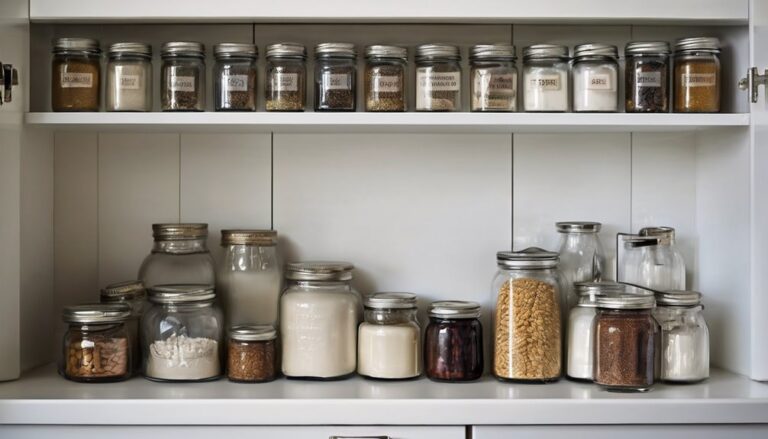
Fast pantry hacks—start with clear, inexpensive storage solutions like uniform acrylic bins and labeled mason jars. You’ll cut search time, avoid duplicate buys, and feel organized fast. Reorganize items by frequency and expiry, keep staples visible, and rotate stock weekly. Invest in inexpensive storage solutions that fit your space, not trends. You’ll save money, reduce waste, and belong to a practical, budget-minded community that values smart, fast optimization over flashy upgrades. Your pantry will thank you.
Which Cabinet Organizers Offer the Best Value?
You’ll find cabinet organizers with the best value storage investment ROI by prioritizing modular, adjustable pieces that fit your shelves and routines. Look for clear bins, tiered organizers, and pull-out trays that maximize vertical space. Pantry saving tweaks matter most when everything has a home. Choose durable, easy-to-clean options and bundle discounts for long-term savings. This practical setup helps you belong, save consistently, and feel confident you’re choosing the best value for your home.
Are Second-Hand Appliances Safe and Efficient to Buy?
Yes, second-hand appliances can be safe and efficient if you do your due diligence. Start with a clear second hand safety check and demand a full efficiency assessment from the seller or a trusted repair pro. Look for clean seals, minimal rust,
and honest history. Test run, verify labels, and compare energy use to new models you’re considering. If it feels right, you’ll save money and belong to a frugal, practical circle.
Can DIY Flooring Save or Hurt Long-Term Budgets?
DIY flooring can save you money if you DIY smartly, but it can hurt your budget if you rush or choose low-quality materials. You’ll stretch funds by picking affordable, durable options and installing it yourself, yet you must delay costly mistakes with careful planning. For budget impact, weigh material costs, tools, and time. If you pace it, you’ll feel purposeful, frugal, and part of a community that values practical, money-conscious decisions. You belong here, making savvy choices.